Tips for Using Aluminum Foil Safely and Effectively in the Kitchen
- Avoid Direct Contact with Acidic or Salty Foods: Use parchment paper as a barrier between foil and highly acidic or salty ingredients.
- Use Heavy-Duty Foil for High Heat: Regular foil can tear or degrade under very high temperatures. Heavy-duty foil is thicker and more durable.
- Don’t Use Foil in the Microwave: Aluminum foil can cause sparks and fires in microwaves.
- Don’t Cover Cooking Vessels Tightly in Foil: Allow some space for steam to escape to prevent foil from bursting or warping.
- Discard Foil After Use: Reusing foil can increase risk of contamination.
- Use Oven-Safe Gloves or Tongs: Foil-wrapped foods and pans can be hot; handle carefully.
- Consider Using Foil Trays for Easy Cleanup: Great for roasting or grilling to minimize washing up.
Environmental Impact of Aluminum Foil
Though aluminum foil is handy, it poses environmental challenges:
- Energy-Intensive Production: Mining and refining aluminum require significant energy, contributing to carbon emissions.
- Non-Biodegradable Waste: Aluminum foil isn’t biodegradable and often ends up in landfills if not recycled.
- Recycling Challenges: Contaminated foil (with food residue) is difficult to recycle.
How to be More Eco-Friendly:
- Use foil sparingly and only when necessary.
- Recycle clean foil whenever possible.
- Explore reusable alternatives like silicone baking mats, glass containers, or beeswax wraps.
Alternatives to Aluminum Foil in Cooking
If you’re looking to cut down on foil usage, there are several alternatives:
- Parchment Paper: Non-stick and great for baking and roasting, especially with acidic foods.
- Silicone Baking Mats: Reusable and heat-resistant, perfect for baking.
- Glass or Ceramic Bakeware with Lids: Keeps food moist without foil.
- Stainless Steel or Cast Iron Covers: Durable options for roasting or baking.
- Banana Leaves or Corn Husks: Natural wraps popular in some cuisines.
Creative Ways to Use Aluminum Foil in Cooking
Despite the concerns, aluminum foil remains incredibly useful in many scenarios:
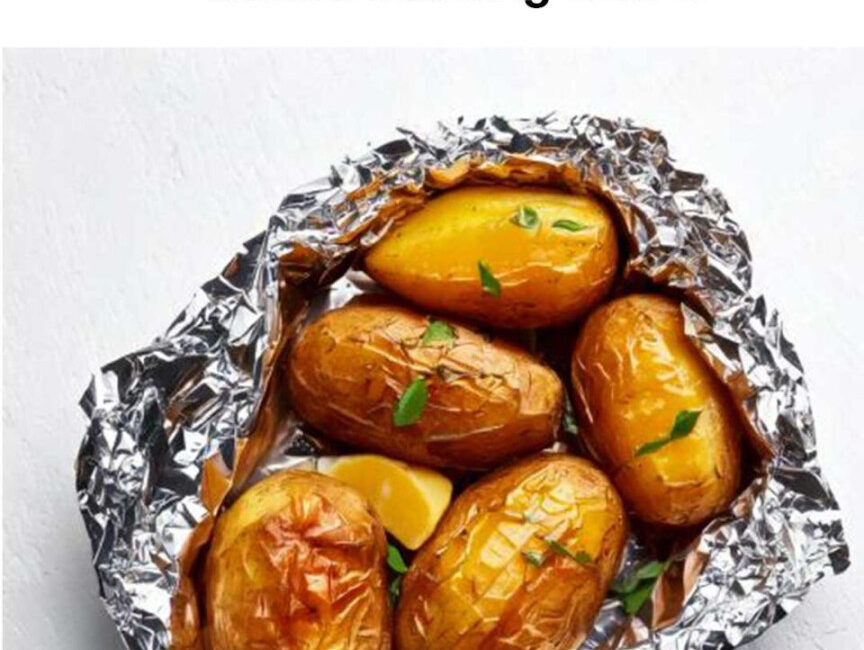
- Grilling Packets: Combine meat, veggies, and spices in foil packets for easy, flavorful meals.
- Roasting Vegetables: Wrap root vegetables to steam-roast, locking in moisture.
- Baking Fish: Wrap fish with herbs and lemon slices for moist, delicate results.
- Line Pans for Easy Cleanup: Reduce scrubbing by lining baking sheets.
- Shielding Food: Cover browning tops with foil partway through baking to prevent overcooking.
What to Expect When You Stop Using Aluminum Foil
If you decide to reduce or eliminate foil use, you might notice:
- More frequent pan scrubbing or washing.
- Slight changes in cooking time or moisture retention.
- Discovery of new techniques and tools that can replace foil’s convenience.
- Positive environmental impact with less waste.
Final Thoughts: Should You Cook with Aluminum Foil?
Cooking with aluminum foil offers undeniable convenience, versatility, and many culinary benefits. For most people, using foil safely and sensibly poses minimal health risks.
However, being mindful about the types of foods you cook in foil, using protective barriers like parchment paper, and limiting long cooking times with acidic or salty foods can minimize any concerns.
At the same time, considering environmental impact and exploring alternatives can help you make sustainable kitchen choices.
Ultimately, cooking with aluminum foil is a practical option—when used correctly and with care.