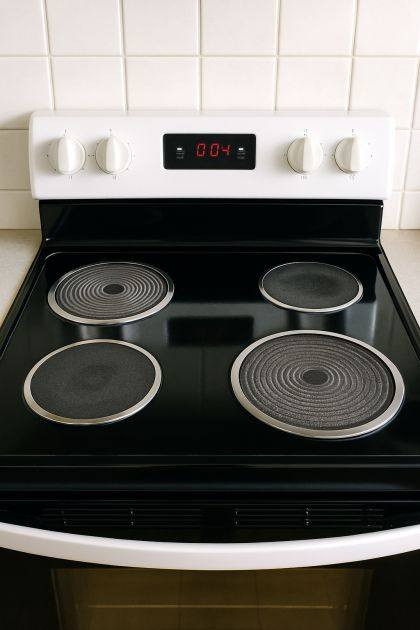
A glass stovetop is a sleek, modern addition to any kitchen, offering a smooth, easy-to-clean surface that enhances the overall aesthetic of your cooking space. However, while they may look pristine and shiny when new, glass stovetops can quickly accumulate stubborn grease, food spills, burnt-on stains, and grimy residue that detracts from their appearance. This makes cleaning the stovetop a critical yet often dreaded task. But don’t worry—cleaning your glass stovetop doesn’t have to be a long, exhausting process.
In this guide, we’ll show you how to clean your glass stovetop in minutes using just two simple ingredients that you likely already have in your kitchen. These ingredients are not only effective but also safe for both the environment and your stovetop. The method is quick, easy, and affordable—everything you need to keep your glass stovetop sparkling without spending hours on scrubbing or using harsh chemicals.
So, grab your cleaning supplies, and let’s dive into how you can restore the shine and cleanliness of your glass stovetop with just two simple ingredients!
Why Glass Stovetops Need Special Care
Glass stovetops, while beautiful and easy to maintain compared to traditional coil burners, do come with their own set of challenges. Since the surface is made from ceramic glass, it’s highly sensitive to abrasive materials, heavy scrubbing, and harsh chemicals. One of the biggest issues with glass stovetops is that they easily show grease spots, food stains, and water marks—and these stains can often be quite stubborn.
If left uncleaned for too long, spilled food or grease can burn onto the surface and become nearly impossible to remove, leading to an unsightly stovetop. But the right technique and products can help prevent these issues and allow you to keep your stovetop in top shape.
The two main ingredients we’ll be using in this method are baking soda and vinegar. Why these two? Because they work together to create a powerful, non-toxic cleaning duo that can break down grease, dissolve grime, and leave your stovetop sparkling clean.
The 2-Ingredient Cleaning Method for Your Glass Stovetop
Let’s break down how to clean your glass stovetop in just a few easy steps with baking soda and vinegar. You don’t need to purchase expensive or toxic cleaning products; these simple ingredients will do wonders without harming your stovetop or the environment.
Ingredients Needed:
- Baking Soda: A versatile cleaner that acts as a gentle abrasive to lift grime without scratching. It also helps neutralize odors and acts as a deodorizer.
- Vinegar: This natural acid helps break down grease and grime. It also acts as a disinfectant and a streak-free finish when used for cleaning.
Tools Needed:
- Spray Bottle (for vinegar)
- Soft Cloths or Microfiber Towels (for wiping and buffing)
- Scraper or Plastic Spatula (optional, for tougher spots)
- Warm Water (for rinsing)
- Spray Bottle with Water (to rinse off excess vinegar)
With just these ingredients and tools, you can achieve a sparkling clean glass stovetop in no time!
Step-by-Step Guide to Clean Your Glass Stovetop in Minutes
Step 1: Prepare Your Work Area
Before you start cleaning, it’s essential to make sure your stovetop is cool to the touch. Never attempt to clean a hot stovetop, as the hot surface can be dangerous and can also cause the cleaning ingredients to evaporate too quickly.
- Turn off the stove and wait for it to cool down completely.
- Remove any pots, pans, or cooking utensils from the stovetop to give yourself a clean surface to work on.
Step 2: Apply Baking Soda
Once your stovetop is cool, it’s time to apply the first ingredient: baking soda. The baking soda will serve as the main abrasive agent to lift stains and grease from the surface without scratching the glass.
- Sprinkle Baking Soda: Lightly sprinkle a generous amount of baking soda directly over the entire surface of the stovetop. Focus on areas with visible grease spots, stains, or burnt-on food. You don’t need to overdo it—just enough to cover the stains or the area you’re targeting.
- Tip: For heavy stains, you can sprinkle a bit more baking soda directly on the affected spots.
- Let It Sit: Allow the baking soda to sit on the stovetop for 5 to 10 minutes. This gives the baking soda time to work its magic, softening the grime and lifting it from the surface. You’ll notice that the baking soda begins to slightly clump up in areas with grease.
Step 3: Spray Vinegar
Now comes the fun part—vinegar! The acid in the vinegar helps to break down grease and dissolve grime, making it much easier to clean.
- Spray Vinegar: Fill a spray bottle with white vinegar and lightly spray it over the baking soda on the stovetop. As the vinegar comes into contact with the baking soda, you’ll notice fizzing and bubbling—this is a sign that the two ingredients are working together to break down the dirt and grime. The reaction helps to loosen food particles and stains, making them easier to wipe away.
- Tip: If you don’t have a spray bottle, you can also dip a clean cloth in vinegar and gently apply it to the surface.
- Let It Bubble: Allow the vinegar and baking soda mixture to bubble and fizz for about 5 minutes. The bubbling action helps lift grime and food particles that have been stuck onto the surface. This step is particularly effective for burnt-on food or grease stains.
Step 4: Wipe It Clean
Once the bubbling has subsided, it’s time to wipe away all the loosened grime. Grab your soft cloth or microfiber towel and start wiping the stovetop.
- Wipe Gently: Using a soft cloth, wipe away the baking soda and vinegar mixture. The grease, grime, and stains should come off easily. Be sure to wipe in a circular motion to lift stubborn spots and to avoid streaking.
- Use a Scraper for Stubborn Spots: If you have any particularly stubborn, burnt-on stains or food particles, you can use a plastic spatula or scraper to gently lift them off. Make sure to use a plastic scraper instead of a metal one to avoid scratching your glass stovetop.
- Rinse with Water: Once the stovetop looks clean, dampen a clean cloth with warm water and wipe down the entire surface to remove any remaining vinegar or baking soda residue. Rinsing will also help to remove any leftover bubbles or grime.
- Buff for Shine: Use a dry microfiber towel to buff the surface, ensuring that it’s streak-free and shiny. This step will also help bring out the natural luster of the glass, making it gleam like new.
Additional Tips for Maintaining a Sparkling Clean Glass Stovetop
click page 2 to continue