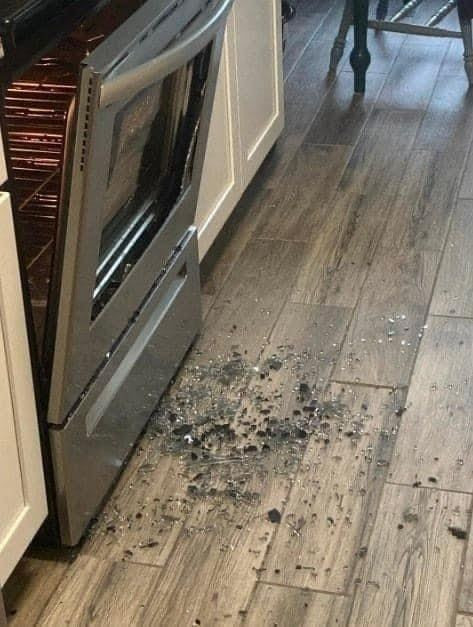
Oven doors are one of the most essential yet vulnerable components of any kitchen appliance. They are constantly exposed to extreme heat, mechanical stress, and frequent usage, making them susceptible to damage and breakage over time. A broken oven door is not only inconvenient but can also pose safety hazards, lead to increased energy consumption, and significantly reduce the efficiency of your oven. Understanding the underlying causes of oven door breakage and adopting preventative measures can save you considerable expense, frustration, and the inconvenience of an inoperative kitchen.
In this comprehensive and detailed article, we will explore the many factors contributing to oven door failure, dissect the most common reasons behind the breakage, and provide practical, expert tips to help you maintain your oven door’s integrity for years to come. We will delve into the materials and mechanics behind oven doors, usage habits that cause wear and tear, and the hidden maintenance routines every homeowner should know. Whether you own a conventional, convection, or smart oven, these insights will empower you to extend the lifespan of this critical kitchen appliance component.
Anatomy of an Oven Door: Understanding Its Structure and Function
Before diving into why oven doors break, it’s essential to understand their structure and the function of various parts. An oven door is more than just a panel that opens and closes; it’s a complex assembly designed to withstand intense heat while providing a safe, insulated barrier between the hot oven interior and your kitchen environment.
Components of an Oven Door
- Glass Panel(s): Most modern ovens have double or triple-layer tempered glass panels designed to withstand heat and provide insulation. These panes also allow you to monitor food without opening the door.
- Door Frame: Usually made from stainless steel or heat-resistant metal, the frame holds the glass securely and provides structural integrity.
- Hinges: Critical for smooth opening and closing, hinges must bear the door’s weight repeatedly and resist wear.
- Insulation: Oven doors include insulating materials between glass layers or inside the frame to prevent heat loss and protect users from burns.
- Handle: Designed for comfort and safety, handles often contain heat-resistant materials to prevent overheating.
- Seals and Gaskets: Heat-resistant rubber or silicone seals line the edges to ensure an airtight closure, preserving oven temperature.
The Importance of the Oven Door
- Heat Retention: A properly functioning oven door seals in heat, improving cooking efficiency.
- Safety Barrier: Prevents accidental burns and exposure to high temperatures.
- Energy Efficiency: Minimizes energy consumption by reducing heat escape.
- Structural Integrity: Supports the oven’s design and user interactions.
Common Reasons Why Oven Doors Break
Even the most well-built oven doors can eventually fail. The causes are typically a combination of material fatigue, user habits, environmental factors, and manufacturing flaws.
1. Thermal Stress and Heat Cycles
One of the primary reasons oven doors break is due to thermal stress caused by repeated heating and cooling cycles. When the oven heats up, the metal frame and glass expand; when it cools down, they contract. This constant expansion and contraction can cause microfractures in the glass or weaken the metal framework over time.
- Impact on Glass: Tempered glass is designed to withstand heat, but sudden temperature changes or hot spots can cause it to crack or shatter.
- Impact on Frame: Repeated heat cycling may cause warping or loosening of the door frame, leading to alignment issues and increased stress on hinges and seals.
2. Physical Impact and Accidental Damage
Oven doors are susceptible to accidental physical damage from bumps, slams, or dropping heavy objects on them.
- Slamming the Door: Forcefully shutting the oven door can stress the hinges and glass, potentially leading to cracks or breaks.
- Dropping Objects: Placing heavy pots or pans on the door, especially when open, can strain the hinges or crack the glass.
- Collisions: Hitting the door with other kitchen equipment or utensils can cause chips or cracks.
3. Poor Installation or Manufacturing Defects
Improper installation or manufacturing defects can set the stage for premature oven door failure.
- Misaligned Hinges: Hinges that are not properly aligned cause uneven weight distribution and excessive stress on one side.
- Inferior Materials: Low-quality glass or frame materials can weaken faster under heat.
- Flawed Insulation: Poor or missing insulation can increase heat transfer to the outer door parts, causing material fatigue.
4. Wear and Tear on Hinges and Seals
Hinges and seals endure constant mechanical movement and exposure to heat, making them vulnerable to wear and degradation.
- Hinges: Worn-out hinges may cause the door to sag or not close properly, increasing the risk of damage.
- Seals: Damaged or hardened seals lead to heat leakage, which can weaken nearby materials and reduce energy efficiency.
5. Neglecting Maintenance
Failure to clean and maintain your oven door and its components accelerates wear.
- Buildup of Grease and Debris: Grease accumulation around hinges and seals can impair their function.
- Ignoring Small Cracks or Loose Screws: Neglecting minor issues can lead to more significant damage later.
High-Risk Scenarios That Lead to Oven Door Damage
Understanding the high-risk behaviors and environmental factors that contribute to oven door damage helps in taking targeted precautions.
Frequent Opening and Closing
Every time the oven door is opened, heat escapes, and the door’s components undergo slight mechanical stress. High-frequency use, especially in busy kitchens, accelerates this cycle and increases wear.
Overloading the Door
Placing heavy items on the door or leaning on it exerts undue pressure on hinges and glass panels, which may not be designed to support such weight.
Sudden Temperature Changes
Spraying cold water on a hot glass door, or placing hot cookware immediately after opening, exposes the door to thermal shock, which may cause cracking.
Poor Ventilation and Overheating
Inadequate oven ventilation leads to heat buildup behind the door, weakening materials and seals over time.
Harsh Cleaning Chemicals and Tools
Click page 2 for more