Using abrasive cleaners, steel wool, or harsh chemicals can scratch the glass or corrode metal parts, compromising strength and appearance.
Detailed Tips to Prevent Oven Door Breakage
1. Handle the Oven Door Gently
Avoid slamming the door; instead, close it slowly and firmly. Teach family members the importance of gentle handling to extend the life of the hinges and glass.
2. Avoid Overloading or Leaning on the Door
Never place heavy pots, pans, or other objects on the door, especially when it’s open. Also, avoid leaning on the door, as this stresses hinges and glass.
3. Keep the Oven Door Clean
- Regular Cleaning: Clean the oven door glass and frame regularly to prevent buildup of grease and grime.
- Use Mild Cleaners: Use non-abrasive cleaners or a mixture of baking soda and water for cleaning glass.
- Avoid Harsh Tools: Use soft cloths or sponges instead of steel wool or abrasive pads.
4. Inspect and Maintain Hinges and Seals
- Lubricate Hinges: Apply heat-resistant lubricant periodically to keep hinges smooth.
- Check Seals: Replace cracked or hardened gaskets promptly to maintain proper insulation and prevent heat loss.
- Tighten Screws: Ensure all screws and fittings are secure to prevent misalignment.
5. Manage Thermal Shock Risks
- Avoid Spraying Water: Never spray water or cold liquids on hot glass.
- Let Cookware Cool: Avoid placing hot pans directly on the open door.
- Preheat Properly: Ensure the oven reaches desired temperature gradually.
6. Ensure Proper Oven Installation and Ventilation
- Professional Installation: Have the oven installed by a qualified technician to ensure proper alignment and ventilation.
- Ventilation Check: Regularly check and clean oven vents to prevent overheating behind the door.
7. Use Protective Films or Covers
Consider applying heat-resistant protective films on the glass to reduce risk of cracking due to impact.
How to Detect Early Signs of Oven Door Damage
Early detection of potential problems helps avoid complete breakage and costly repairs.
Glass Panel
- Hairline cracks or chips
- Visible warping or discoloration
- Excessive fogging between glass layers
Hinges
- Door sagging or misalignment
- Difficulty opening or closing
- Squeaking or grinding noises
Seals and Gaskets
- Visible cracks or brittleness
- Heat escaping during operation (can test by feeling heat outside door)
- Smoke or fumes leaking from door edges
What to Do If Your Oven Door Is Damaged
If you observe signs of damage or breakage:
- Do Not Use the Oven: A broken door compromises safety and energy efficiency.
- Contact a Qualified Technician: Professional repair or replacement is often necessary.
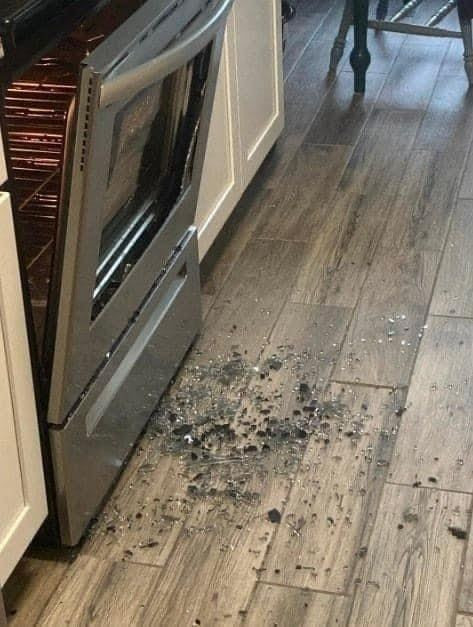
- Avoid DIY Repairs on Glass: Handling broken tempered glass can be hazardous.
- Replace Seals and Hinges Promptly: Neglected damage worsens quickly.
Upgrading Your Oven Door for Longevity
If you frequently experience oven door issues, consider upgrading to:
- Triple-Glazed Doors: Enhanced insulation and durability.
- High-Quality Hinges: Heavy-duty, stainless steel hinges designed for frequent use.
- Advanced Sealing Technology: Longer-lasting silicone gaskets.
- Modern Designs: Improved materials resistant to heat and wear.
Conclusion: Protecting Your Oven Door – An Investment in Safety and Efficiency
Your oven door plays a crucial role in maintaining your kitchen’s functionality, safety, and energy efficiency. Understanding why oven doors break—from thermal stress and physical impacts to wear and tear—and following best practices for care and maintenance can significantly extend its life. Simple changes like handling the door gently, keeping it clean, monitoring seals and hinges, and avoiding thermal shocks contribute to preserving this vital component.
Investing time in preventive care and recognizing early warning signs ensures that your oven door continues to perform optimally without unexpected failures. Ultimately, safeguarding your oven door is not just about avoiding inconvenience; it’s about protecting your family, enhancing cooking results, and maximizing the lifespan of your kitchen appliances.