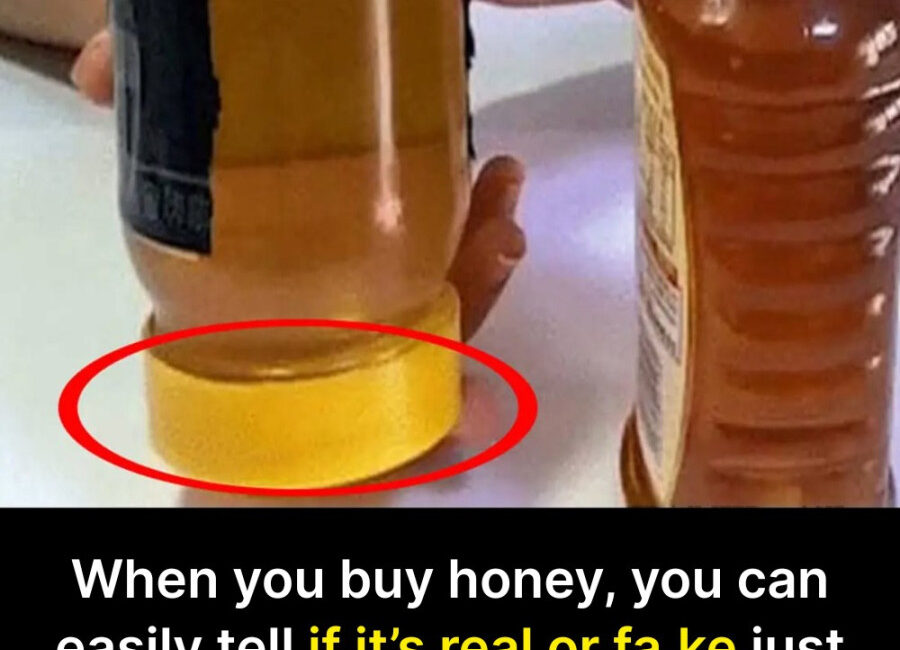
Here is a practical checklist you can follow when evaluating a jar of honey before buying or after purchasing. Use several of these together for confidence.
- Read the price compared to average local price. Very cheap = suspicious.
- Read the label: ingredients, origin, producer, floral type, raw/unfiltered.
- Look at the color: dark honey might indicate strong flavor and high mineral content; lighter honeys are milder; transparency may suggest filtration.
- Look for particles / pollen: if jar has bits, it’s likely less processed.
- Smell it: see if aroma is rich, floral, earthy or faint and generic.
- Texture and flow: drizzle some on a spoon; does it form a thread, slow drip, long stretch, or is it runny and watery?
- Perform the Thumb Test: a drop on thumb; does it stay or run?
- Water Test: drop into water; sink or dissolve?
- Crystallization: Does it crystallize over time? If already crystallized, check texture of crystals (fine vs coarse).
- Heat / Fire Test (if safe): does it caramelize, bubble moderately, or foam excessively?
- Taste: complexity of sweetness; floral/herbal notes vs flat sugar taste.
- Blot / Bread Test: on bread slice or paper; does it soak or just lay thick?
Using multiple points gives higher confidence.
Special Types of Honey & How They Behave
Different honeys (by floral source, region, treatment) behave differently. Knowing some of these special types helps avoid confusion.
- Raw Honey: Unheated, minimally filtered. More pollen, stronger flavor, more likely to crystallize.
- Filtered / Ultra‑filtered Honey: Very smooth, clear; may have fewer visible particulates and pollen; might take longer or not crystallize well. May still be genuine but with reduced complexity.
- Monofloral vs Multifloral (Wildflower) Honey: Single floral sources (e.g., acacia, manuka) have signature flavors, aromas, color profiles; wildflower blends vary with bees’ forage.
- Heated / Pasteurized Honey: Heating destroys some enzymes, aroma compounds; reduces crystallization tendency; might mask imperfections but also reduces authenticity markers.
- Dark Honeys vs Light Honeys: Dark honeys (buckwheat, chestnut) tend to have more antioxidants, minerals; stronger taste. Light honeys are milder, less intense.
- Geographic or Seasonal Variants: Honey produced during certain seasons or in particular climates may naturally have higher moisture or different sugar ratios; so flow, crystallization behavior, taste may differ—this doesn’t always mean fake.
High Value (High‑CPC) Topics Around Honey Purity
These are terms or concerns people often search that relate to identifying real honey, health benefits, cost savings. If you use them or think about them, they often correlate with strong interest:
- Honey benefits for immune system
- Raw honey vs processed honey nutrition
- Natural antioxidants in honey
- How to avoid adulterated honey
- Honey purity test at home
- Glycemic index of real honey
- Organic honey certification
- Antibacterial honey properties
- Propolis, pollen content in honey
- Honey for skin care
Potential Challenges & Limitations of Home Tests
While home tests are useful, they have some limitations you should be aware of:
- Some fake honey manufacturers try to mimic or pass basic tests (adding pollen, adjusting moisture, heating lightly).
- Some real honeys are naturally very fluid (thin) due to floral source or climate; might spread more than expected.
- Temperature and storage conditions affect texture, flow, crystallization rate. Warm environments delay crystallization; cold can accelerate it.
- Tests involving flame or heat have safety risks; also heat can degrade real honey.
- Labeling laws vary across countries; “raw,” “pure,” “organic” may have varied definitions or oversight.
- Even advanced tests require trustworthy labs and reproducible methodology; not always accessible for average consumer.
Summary: How to Know for Sure
Putting it all together, here is a summary of what the best‑practice way to distinguish real honey involves:
- Use sensory checks: smell, taste, texture. Authentic honey has depth of flavor, aroma, richness.
- Use physical tests: viscosity, thumb test, water test, crystallization, heat behavior.
- Pay attention to labels: origin, ingredients, processing (raw/unpasteurized), floral source.
- Use price as a warning sign: too low often means corners cut.
- When possible, seek small scale or local producers with good reputations.
- If quality is critical (health use, medicinal, skin care), consider laboratory or certification verification.
Practical Example
Here’s a fictional example of comparing two jars of honey using these principles:
- Jar A: Labeled “Wildflower Honey, Country X, Raw, Unfiltered.” Price is relatively high per kilogram. Jar has some cloudiness, tiny particles visible. On spoon, it flows slowly, forms long thread. Thumb test: drop stays. Water test: sinks, dissolves slowly. After a few weeks (in cool place) some crystallization appears. Taste: floral, multi‑layered, lingering sweetness.
- Jar B: Labeled “Honey Product, Blend, No floral origin specified.” Price is low. Jar looks very clear, smooth. On spoon, flows quickly. Thumb test: drop spreads. Water test: dissolves quickly. Even after months, still fully liquid. Taste: very sweet, generic, one‑dimensional.
Conclusion: Jar A likely authentic, Jar B likely adulterated or heavily processed.
Final Thoughts
Real honey is more than just sweetness—it’s a combination of science, nature, environment, and craftsmanship. Distinguishing authentic honey from fake isn’t always easy, but with awareness, sensory feedback, and simple home tests, you can greatly reduce the chance of being deceived.
When you buy real honey, you get nutritional benefit, better flavor, and improved safety. You support honest producers and help maintain ecological balance (bees matter!). So next time you’re choosing honey—take your time, use your senses, do a few tests—and invest in quality.