To ensure the longevity and efficiency of your glass stovetop, always read and follow the manufacturer’s care instructions. These guidelines are specifically tailored to the model of stovetop you own and can help prevent issues that may arise from improper use. Whether it’s advice on cleaning, cooking tips, or warnings about specific hazards, the manufacturer’s recommendations are a vital resource.
7. Cooking with the Heat Too High
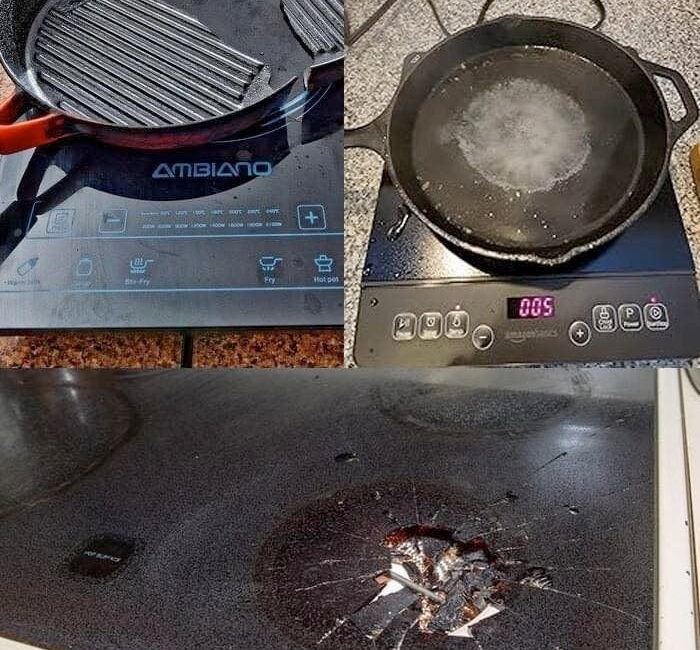
Glass stovetops can generate a lot of heat, and while they are designed to handle it, excessive heat can cause significant damage to the glass surface. Cooking with the heat too high can cause food to burn, spills to become more difficult to clean, and potentially even crack the glass. Additionally, the rapid expansion and contraction of the glass due to extreme temperature fluctuations can lead to cracks or weakening of the surface.
To avoid this, always be mindful of the heat settings on your glass stovetop. Opt for medium to low heat whenever possible, and avoid cooking on the highest setting unless necessary. Gradually increase the heat as needed, and be sure to turn down the temperature once the cooking process is underway. This will not only help prevent damage to the stovetop but also ensure your food is cooked more evenly and effectively.
8. Not Using the Right Type of Cookware
Using the wrong type of cookware can be just as damaging to your glass stovetop as any of the other bad habits mentioned here. For example, cookware that is too heavy, too small, or has a warped bottom can cause uneven heat distribution, leading to poor cooking results and potential damage to the stovetop. Additionally, pots and pans that are not designed for glass stovetops can cause scratching or even cracking of the surface.
When using a glass stovetop, always choose cookware that is specifically designed for use on glass or ceramic surfaces. Cookware with flat, smooth bottoms is ideal, as it provides even contact with the stovetop and helps distribute heat more efficiently. Avoid using cast-iron or overly heavy pots unless they have a smooth, flat bottom that won’t scratch or damage the surface.
9. Using Too Much Water for Cleaning
Glass stovetops should be cleaned with a damp cloth, but using too much water during the cleaning process can be problematic. Water can seep into the edges of the stovetop, potentially damaging the electrical components beneath the surface. Excess water can also lead to mineral buildup or staining if not wiped off thoroughly.
To prevent this, always use a damp (not soaking) cloth when cleaning your glass stovetop. After cleaning, be sure to wipe away any excess moisture and dry the surface with a soft towel or cloth. This will prevent water from seeping into sensitive areas and ensure the longevity of your stovetop.
Final Thoughts: Taking Care of Your Glass Stovetop
Glass stovetops are a beautiful and functional addition to any kitchen, but they require special care and attention to remain in top condition. By avoiding the nine dangerous habits outlined above, you can prolong the life of your stovetop, improve its performance, and ensure a safe cooking environment.
Remember, the key to maintaining a glass stovetop is using gentle cleaning methods, avoiding excessive heat, choosing the right cookware, and always following the manufacturer’s care instructions. With these simple steps, your glass stovetop can remain a pristine and reliable part of your kitchen for years to come. So next time you cook, take a moment to think about the habits that help keep your stovetop safe, functional, and beautiful. Happy cooking!