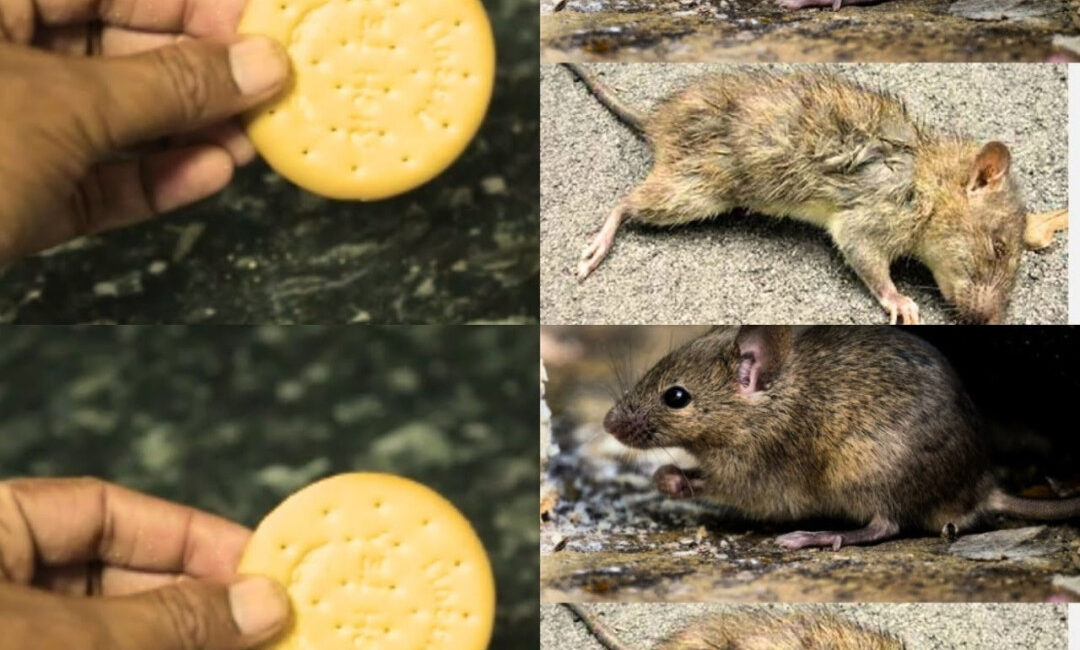
Most people panic when they spot a mouse darting from behind the pantry or when a family member finds chewed biscuits in a cookie tin. The instinct is to spring traps or reach for poison. But what if you want rodents gone fast — and humanely — without using poison, conventional traps, or cruel DIY methods? What if a simple biscuit (or the crumbs from it) is the culprit and you want the problem solved now, safely and legally, with long-term results?
This long-form, practical guide gives you everything: a realistic 5‑minute emergency protocol to discourage rodents immediately, a deep explanation of rodent behavior, detailed step‑by‑step eviction strategies, highly effective exclusion and proofing techniques, natural deterrents, household tactics that work (and those that don’t), maintenance and monitoring plans, and guidance on when to escalate to professionals. It’s written so you can act with confidence, keep household members and pets safe, and stop biscuits from turning into rodent invitations.
Important note up front: There is no guaranteed “instant kill” or guaranteed permanent vanishing trick that’s safe, humane, and legal — and anyone promising a magic one‑step solution is misleading you. This guide focuses on humane, immediate deterrence and long‑term exclusion. If you suspect a large infestation or feel unsafe, contact a licensed pest‑control professional.
Quick answer — 5‑Minute Emergency Protocol (what to do RIGHT NOW)
If you’ve just discovered a mouse, rat, or evidence (chewed biscuit, droppings), do these actions in this order. These won’t eradicate an infestation in five minutes, but they will dramatically reduce activity and make the area unattractive to rodents immediately.
- Remove food sources (60–90 seconds). Gather any exposed food (biscuits, crumbs, pet food), place them in sealable plastic bags or containers, and remove them from the area. Even a small crumb trail is an invitation.
- Turn on bright lights and make noise (30 seconds). Rodents prefer dark, quiet places. Bright light and sudden noise (turn on a radio, clap, talk loudly) make them retreat to hiding places.
- Apply quick scent deterrent at the biscuit site (30–60 seconds). Place cotton balls lightly soaked with peppermint oil or vinegar in small dishes near the biscuit site — not directly on food or near pets. Peppermint repels many rodents short‑term.
- Temporarily block major visible access points (1–2 minutes). Stuff steel wool or crumpled aluminum foil into obvious gaps in cabinets, under sinks, or along baseboards. For an immediate short‑term block, a wad of steel wool plus tape buys you time. (Steel wool is not a permanent solution but deters chewing.)
- Sanitize the area (remaining time). Wipe down the biscuit area and surrounding surfaces with a disinfectant (vinegar or household cleaner). Clearing scent trails reduces re‑visits.
This takes roughly 3–5 minutes and can immediately change rodent behavior. But it’s a temporary measure. Read on for sustainable solutions.
Why biscuits (and small food items) attract mice and rats
Rodents are opportunistic foragers. Their survival depends on finding food sources that are:
- Reliable — foods kept in the same place frequently
- High in calories — grains, sugars, fats (biscuits are prime targets)
- Easy to access — loose crumbs, open boxes, poorly sealed containers
A single biscuit left on a countertop, a dropped crumb, or a torn bag of flour creates a trail of scent and taste that draws rodents back. Rodents have excellent olfactory senses; the scent molecules from food cling to surfaces and form a chemical map that guides them back again and again. Fixing that single biscuit problem means breaking the scent trail, securing storage, and removing easy access.
The biology and behavior basics you need to know
Understanding rodent behavior helps you design eviction and prevention strategies that actually work.
- Nocturnal activity: Mice and rats are mostly active at night. Bright lights and human activity discourage them.
- Neophobic but adaptable: New items can scare them off at first, but they quickly acclimate. So rotate deterrents and combine strategies.
- Gnawing is survival: Rodents gnaw to wear down continuously growing incisors. This is why steel and concrete edges matter.
- Small entry radius: Mice can enter through holes as small as a dime; rats need larger gaps. Inspect at eye level and floor level.
- Food and shelter drive habitation: Warm, sheltered spaces near food sources will be defended and returned to. Remove one and the value of the space drops dramatically.
The truth about “5‑minute” disappearance claims
Be skeptical of any claim that mice or rats will permanently “disappear” in five minutes. You can scare them off quickly, but permanent removal requires:
- Eliminating food and water sources
- Sealing entry points
- Removing nesting materials
- Ongoing monitoring and maintenance
Use the 5‑minute protocol as an emergency deterrent, but plan and implement a longer-term rodent‑proofing strategy.
Humane options that work — detailed tactics
Below are humane, non‑poisonous, non‑trap methods organized by immediate deterrent, short‑term eviction, and long‑term exclusion. I include practical tips so you can act effectively.
Immediate deterrents (fast, temporary)
1. Bright light + noise
Rodents avoid exposure. Turn on all lights, open blinds, and create noise — radios, vacuuming, singing — to make the area uncomfortable. This is especially effective if you catch them in the act.
2. Peppermint oil, eucalyptus, or strong natural scents
Soak cotton balls with peppermint oil and place them near suspected entryways, under sinks, and where biscuit crumbs were found. Peppermint irritates rodents’ senses and can cause them to avoid the area temporarily. Replace cotton balls every 48 hours for effectiveness.
Safety: Keep essential oils away from pets (especially cats and dogs) and infants; use small amounts and place out of reach.
3. Vinegar or ammonia odors
Small dishes of household vinegar can create an unpleasant scent. Some homeowners use diluted ammonia (very small amounts) to mimic predator urine; this is more hazardous and not recommended indoors with family/pets. Vinegar is safer.
4. Steel wool and temporary blockades
For visible small gaps, use steel wool stuffed into holes then taped over. Mice cannot chew through steel wool easily. Combine with foam sealant later for permanence. This is a quick, immediate physical deterrent.
5. Clean up and sanitize
Wipe down all surfaces where biscuit crumbs or droppings were found with hot soapy water then disinfect. Removing odor trails is vital for preventing return. Dispose of crumbs in sealed bags.
Short‑term eviction (hours to days)
1. Remove attraction points (food, water, nesting)
Store all food in sealed containers (metal or heavy plastic), remove pet food bowls at night, fix leaky pipes, and declutter closets and storage areas where rodents nest.
2. Use humane live capture if you’re experienced (but user said no traps — so only consider if acceptable)
Since you asked for no traps, skip live traps. If you later choose humane traps, release at least a mile away and check local regulations. Always prioritize humane handling.
3. Introduce natural predators (indirect)
Domestic cats often deter rodents. Even the scent of a cat (used cat litter placed near openings) can act as a deterrent. Be careful with this method if you don’t own a cat — placing used litter in public areas is unsanitary and can be problematic.
4. Ultrasonic repellents (caveats)
Electronic ultrasonic devices emit high-frequency sounds designed to disturb rodents. Some people report short-term success; studies show mixed results and rodents may habituate. If you use them, combine with exclusion and sanitation.
Long‑term exclusion (permanent solutions)
1. Rodent‑proofing: find and seal every gap
- Inspect exterior and interior thoroughly. Look for holes, gaps around pipes, vents, doors, windows, and eaves.
- Seal small holes with steel wool or copper mesh plus caulk. For larger holes, use hardware cloth (metal mesh) or cement patching.
- Fit door sweeps and weather stripping under exterior doors. Replace damaged door seals.
Tip: Mice can squeeze through 6–8 mm gaps; treat anything larger than a dime as suspect.
2. Replace vulnerable materials
- Use metal flashing around foundations where rodents enter.
- Replace insulation or cardboard used as nesting material. Rodents like shredded paper, insulation, and fabric. Remove and replace with rodent‑resistant materials or boxed storage.
3. Secure food storage
- Use thick plastic or metal containers with tight lids for flour, rice, biscuits, and pet food.
- Keep pantry shelves clean and vacuum frequently.
- Don’t leave pet food bowls out overnight.
4. Landscaping and perimeter maintenance
- Maintain a 12–18 inch clear zone around the house foundation: trim shrubs, remove debris and mulch piles near walls, and store firewood off the ground and away from the home.
- Close gaps under sheds and decks.
5. Regular monitoring and maintenance
- Set up a schedule to inspect likely entry points monthly.
- Use motion‑activated cameras if infestations persist to identify behavior patterns and hiding spots.
Step‑by‑step: How to convert that biscuit problem into a rodent‑free home (complete program)
This program combines immediate action, medium-term eviction strategies, and permanent exclusion tactics. Treat it as a 30‑day plan.
Day 0: Emergency 5‑minute actions (do these now!)
Follow the Quick Answer 5‑Minute Protocol at the top: remove food, light and noise, peppermint oil, block gaps with steel wool, sanitize.
Days 1–3: Deep clean and assess
Click page 2 for more