Introduction
In the modern kitchen, leftovers and reheating are part of everyday routines. Many of us cook once and eat twice (or more). Reheating food seems convenient, budget‑wise and time‑wise—but not all foods react the same when stored, cooled and reheated. Some foods pose health risks when rewarmed; others suffer a dramatic change in texture, flavour or nutritional value. Understanding which foods fall into these risk categories, and why, empowers you to handle leftovers wisely, avoid food‑borne illness, minimise waste, and preserve quality.
In this article you’ll learn:
- Which seven food items are commonly flagged as “should not be reheated.”
- The underlying science (bacteria, toxin formation, chemical conversion, nutrient loss).
- The safety thresholds for handling, storage, reheating and consum‑once‑only.
- How to mitigate risk, prepare and store properly, and what to do instead of reheating.
- And finally, tips for reliable leftover habits to reduce risk and improve your meal‑prep game.
Let’s begin by listing the foods and then diving deep into each.
The Seven Foods You Should Avoid Reheating
Here are the items we’ll explore in this guide:
- Cooked rice and grains
- Cooked potatoes and tubers
- Leafy green vegetables (nitrate‑rich vegetables, e.g., spinach, beetroot)
- Mushrooms
- Eggs and egg‑based dishes
- Seafood (fish, shell‑fish)
- Oil‑rich or deep‑fried food & oil‑used dishes (and sometimes processed meats)
Each of these deserves its own full section.
1. Cooked Rice and Grains
Why rice is high risk
Cooked rice is often listed as the most common “do not reheat” caution—and for good reason. Rice can contain spores of Bacillus cereus, a bacterium that may survive cooking. If the cooked rice is left at room temperature for too long, these spores can germinate and produce toxins. Reheating won’t always destroy these toxins.
Key issues
- The presence of heat‑resistant bacterial spores means the risk isn’t just about re‑heating poorly—it’s about how the rice was stored and cooled.
- Toxin formation: Even if bacteria are killed, some toxins produced prior to reheating may persist.
- Storage and time matter: Leaving rice out for hours (in the so‑called “danger zone” ~40‑140°F / ~4‑60°C) increases risk dramatically.
- Reheating once is safer than multiple reheats; reheating multiple times increases risk significantly.
Texture, quality, flavour
Beyond safety, reheated rice often becomes dry, gummy or unevenly heated. Grains can clump, lose moisture and develop unappealing texture.
Best practices
- Immediately after cooking, cool rice quickly (spread it thinly, allow steam to escape, refrigerate ideally within 1 hour).
- Store in shallow airtight containers, refrigerate at ≤40°F (4°C).
- Reheat only once, ensure internal temperature of reheated rice reaches 165°F (74°C) throughout.
- If rice has been left at room temperature for more than ~2 hours (or 1 hour in hot conditions), discard rather than reheat.
- Better: use freshly cooked rice for key meals; treat stored rice with extra caution.
When you might reheat
If rice was cooled properly, stored quickly, refrigerated, and you reheat once to correct temperature, risk is much lower. But convenience should not override safe procedure.
2. Cooked Potatoes and Tubers
Why potatoes can be problematic
Potatoes, especially when cooked and then left at room temperature (particularly wrapped in foil or in low‑oxygen conditions) can become favourable plumbing for Clostridium botulinum and other bacteria. Reheating may not destroy toxins produced if improper storage allowed bacterial growth.
Key issues
- The risk is less frequent than rice but potentially serious (botulism toxins are dangerous).
- The problem often arises if cooked potatoes are left where bacteria can multiply (ambient temperature, insufficient cooling).
- Reheating alone cannot reliably remove toxins once formed.
Texture and quality
When reheated, potatoes may become mealy, chalky or lose desirable texture. The starches may retrograde, the moisture distribution changes, leading to inferior quality.
Best practices
- After cooking potatoes (especially baked or roasted), do not leave them wrapped for long at room temperature. Unwrap, allow steam to escape, then refrigerate within 2 hours (or sooner in hot environments).
- Store in fridge at ≤40°F (4°C), not in sealed foil that prevents air circulation.
- Use leftover potatoes cold in salads or potato pancakes instead of thorough reheating. If you reheat, ensure whole portion reaches safe temperature—but be aware texture and safety caveats.
- Boiled or mashed potatoes should be consumed within 3‑4 days and reheated once only.
When you might reheat
If potatoes were handled properly, cooled quickly, stored appropriately, you can reheat once—but not repeatedly. Choose gentle reheating (oven rather than microwave) to preserve texture.
3. Leafy Greens & Nitrate‑Rich Vegetables (Spinach, Beetroot, etc.)
Why these vegetables are flagged
Leafy greens and certain root‑vegetables (like beetroot) contain high levels of nitrates. When reheated, especially after slow cooling or prolonged storage, these nitrates can convert into nitrites and then further into nitrosamines—some of which are linked to carcinogenic risk.
Key issues
- The conversion of nitrates → nitrites → nitrosamines is favoured by heat, repeated reheating, and certain storage conditions.
- Young children are particularly sensitive to nitrates/nitrites (risk of methemoglobinemia).
- Storage and reheating conditions matter: better cold storage and single reheating reduce risk.
Texture and quality
Reheated leafy greens often become limp, soggy or lose vibrant colour. Their nutritional value (vitamins) also degrades with repeated heating.
Best practices
- Ideally consume leafy greens freshly cooked or soon after preparation.
- If storing, cool quickly, refrigerate in shallow containers, eat within 24‑48 hours.
- Reheating is avoidance preferred: Better to eat cold as salad or lightly reheat just once.
- Avoid reheating for toddlers or infants; better avoid stored nitrate‑rich veggies for babies.
- For beetroot, spinach, celery, kale: treat leftovers with caution; store cold, eat quickly or prepare fresh.
When you might reheat
If the greens were properly handled (cooled quickly, refrigerated, not left in “danger zone”), you might rehear once—but given the risk, you’re better off consuming them fresh or using leftovers cold.
4. Mushrooms
Why mushrooms pose reheating concerns
Mushrooms are high in protein content and have cell structures that can deteriorate rapidly after cooking. When stored and then reheated, especially improperly, they can cause digestive upset or more serious food‑borne illness.
Key issues
- Mushrooms can harbour bacteria if not cooled and stored quickly after cooking.
- Reheating may not eliminate all risk if storage was poor.
- Texture and nutrient degradation: reheated mushrooms can become rubbery, mealy or lose flavour.
- Some sources suggest protein breakdown or enzymatic action leads to unpleasant side‑effects.
Best practices
- Cook mushrooms thoroughly and eat promptly whenever possible.
- If you have leftovers: cool quickly (within 2 hours), refrigerate at ≤40°F (4°C).
- Use within 24‑48 hours; reheating is riskier if mushrooms have been stored longer.
- If you must reheat, do so once and ensure even heating throughout. Better still, use leftover mushrooms cold in salads or as part of fresh dish.
When you might reheat
If mushrooms were handled correctly, you can reheat once—but doing so repeatedly or from poorly stored mushrooms is not advisable.
5. Eggs and Egg‑Based Dishes
Why eggs are a concern when reheated
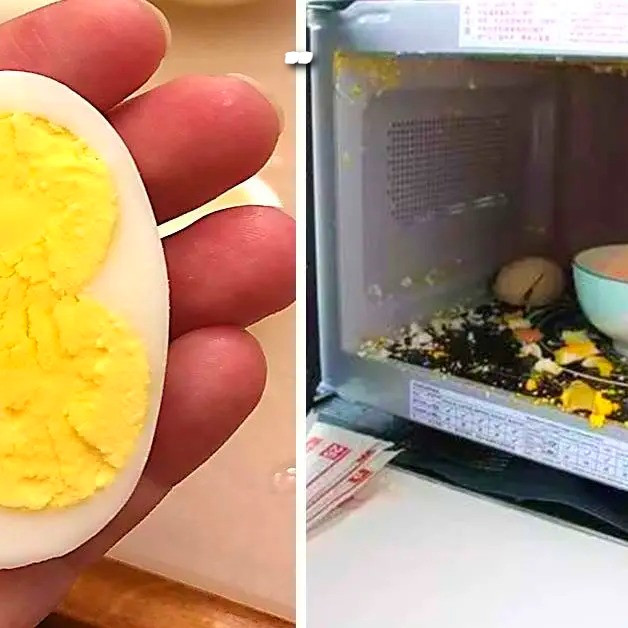
Eggs (boiled, scrambled, omelets) and dishes containing eggs can pose risks when reheated: proteins altered by initial cooking, and bacteria like Salmonella may survive imperfect reheating. Additionally, eggs can release sulfurous compounds when reheated multiple times leading to off‑flavours or digestive upset.
Key issues
- Uneven reheating may allow bacterial survival.
- Repeated reheating increases risk of protein breakdown and altered texture/taste.
- Dishes with egg plus other constituents (sauces, dairy) amplify risk.
Texture and quality
Reheated eggs often become dry, rubbery, or lose the silky texture they had fresh. Flavour may degrade.
Best practices
- Use egg dishes fresh or store leftovers cold immediately after cooking.
- If storing: refrigerate within 2 hours, eat within 24‑48 hours.
- Reheat only once, ensure internal temperature rises to safe level and dish is steaming all the way through.
- Better: use leftover eggs cold (egg salad, sandwich) rather than reheating.
When you might reheat
If egg dish was prepared fresh, stored quickly, refrigerated, and reheated only once thoroughly, you can eat it. But caution and refrigeration matter.
6. Seafood (Fish & Shell‑fish)
Why seafood is especially risky
Seafood spoils quickly. Proteins in fish and shellfish deteriorate faster than in many other foods, histamines may form, enzymes may act, and bacterial growth may accelerate. Reheating may not preserve texture or ensure safety if storage was poor.
Key issues
Click page 2 for more