- Histamine or scombroid poisoning: certain fish (tuna, mackerel) improperly stored can develop histamines that reheating doesn’t eliminate.
- Shellfish: bacteria multiply quickly in cooked shellfish if stored poorly.
- Texture degradation: reheated fish often becomes dry, rubbery, fishy in smell.
Best practices
- Cook seafood and consume promptly when possible.
- If leftovers: cool quickly, refrigerate at ≤40°F (4°C), ideally consume within 24 hours.
- Avoid reheating multiple times; better to eat cold (seafood salad) if desired.
- If reheating: ensure internal temperature reaches proper safe level (varies, but >145°F/63°C often suggested for fish) and check smell/texture first.
When you might reheat
Only if fish/shellfish was fresh, cooked thoroughly, cooled quickly, stored properly, and reheated once with even distribution. Because of rapid spoilage potential, best practice may be to avoid reheating.
7. Oil‑Rich Food, Deep‑Fried Items & Some Processed Meats
Why oil‑reused food and processed meats can pose problems
When oil‑rich, deep‑fried foods or processed meats are reheated (especially multiple times), the fats may oxidise, harmful compounds may form (like acrylamides, nitrosamines in processed meats) and repeated heating may degrade quality and safety.
Key issues
- Reheating oils: repeated heating can degrade fatty acids, produce free radicals, acrylamide, and reduce nutritional value.
- Processed meats contain nitrites/nitrates; reheating may increase nitrosamine formation (compounds linked to cancer risk).
- Texture & flavour degrade: fried foods lose crispness, become soggy, lose appeal.
Best practices
- Whenever possible consume fried or oil‑rich foods fresh or use leftovers cold (e.g., re‑purpose into salads or dishes not requiring reheating).
- Store oil‑rich leftovers quickly, skip multiple reheating cycles.
- Processed meats: better consume soon after cooking rather than reheating over and over.
- If reheating oil‑rich food: use oven/air‑fryer rather than microwave (preserves texture better), and do so only once.
When you might reheate
If oil‑rich food was properly stored, you can reheat once—but be aware quality will be lower, texture may suffer, and safety may degrade.
Cross‑cutting Principles: Storage, Cooling, Reheating Guidelines
The “Danger Zone” & Time/Temperature
- Bacteria proliferate rapidly between ~40°F and 140°F (~4‑60°C). Leaving cooked food in this zone for more than 2 hours (or 1 hour in hot conditions) increases risk substantially.
- Cooling cooked food quickly (within 1‑2 hours) and refrigerating is crucial.
- Reheating must bring food to safe temperatures (often ≥165°F / 74°C) to kill bacteria. But some toxins already formed are heat‑resistant, so reheating is not always enough.
Storage and number of reheats
- Ideally, only reheat a leftover once. Each cycle of cool → store → reheat increases risk of microbial growth, toxins, texture/nutrient degradation.
- Use shallow containers, minimise mass of food so it cools evenly and quickly.
- Discard if in doubt: if food left out too long, smells off, reheated multiple times, or shows texture/colour changes.
Nutrient and texture degradation
- Reheated foods can lose vitamins, change protein structure, degrade fats, lose crispness, texture changes (become mushy, rubbery, dry).
- Sometimes the hazard is not just microbes but chemical conversion (nitrates → nitrites → nitrosamines, free‑radical generation in oils) and quality loss.
Practical leftover strategies
- Plan to eat sensitive leftovers (rice, greens, seafood, mushrooms) sooner rather than later.
- Use cold‑consume alternatives: instead of reheating, turn leftover fish into a cold salad; leftover spinach into chilled dish.
- Store larger cooked batches in smaller portions so you reheat only what you will consume.
- Label stored leftovers with date/time. Discard after safe timeframe (24‑48 hrs for many high‑risk foods).
- When reheating: use oven or stovetop rather than microwave when possible (for better quality and more even heating). Cover containers, add a bit of water if needed to ensure even heating.
Why Some Reheats Are Safer Than Others
Not all reheating is dangerous—but the difference often lies in how the food was handled, how long it was stored, and the nature of the food.
Safer conditions
- Cooked, cooled quickly, stored at ≤40°F, eaten within safe timeframe
- One reheating only; food brought to safe internal temp
- Food not left out at room temperature for extended time
- Foods with lower risk (stews, soups) that are reheated once rather than repeatedly
Higher risk scenarios
- Food left out at ambient temperature >2 hours, then reheated
- Food reheated multiple times (cool → reheat → cool → reheat)
- Foods with high risk (rice, potatoes, greens, seafood) stored carelessly
- Using microwave alone without ensuring even temperature
- Foods stored in large bulk masses that cool slowly
Summary Table of the Seven Foods & Why Avoid Reheating
| Food Type | Primary Risk | Other Concerns | Best Practice |
|---|---|---|---|
| Rice & grains | Bacillus cereus toxins | Toxin not removed by reheating | Cool quickly, store cold, reheat once or re‑cook fresh |
| Potatoes & tubers | Clostridium botulinum toxins | Texture and storage challenges | Refrigerate promptly, avoid reheating if unsure |
| Leafy greens & nitrate‑rich veg | Nitrate → nitrite → nitrosamine | Nutrient loss, texture degradation | Eat fresh, store cold, avoid reheating |
| Mushrooms | Bacterial spoilage + enzyme changes | Protein/texture deterioration | Use fresh or store cold, reheating only once |
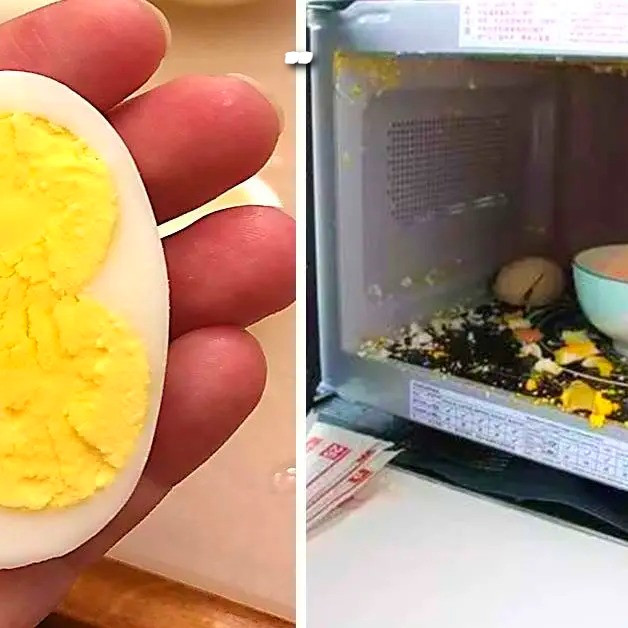
| Eggs & egg‑based dishes | Salmonella, protein breakdown | Texture rubbery, flavour off | Consume fresh, store cold, reheat once |
| Seafood (fish + shellfish) | Spoilage, histamine, rapid bacterial growth | Drying out, texture loss | Eat fresh, if reheating ensure safe storage/time |
| Oil‑rich/deep‑fried & processed meats | Fat oxidation, nitrosamines | Texture/flavour degenerate | Consume fresh, minimise reheats, store cold |
Final Thoughts
Reheating leftovers is part of modern life—but being smart about which foods, how they’re stored, and how they’re reheated makes all the difference between safe convenience and potential hazards (or just poor quality food). The seven food types above warrant extra caution: rice and grains, potatoes, nitrate‑rich vegetables, mushrooms, eggs, seafood, and oil‑rich/processed meats. For each, the main risks involve bacterial toxins, chemical conversions, nutrient or texture loss and improper storage.
Take‑away recommendations:
- Cook once, store safely, reheat only once when necessary.
- Cool cooked food quickly; refrigerate within 1‑2 hours (or sooner).
- Label and use leftovers within safe timeframes (24‑48 hours for many high‑risk items).
- If in doubt, eat fresh or use leftovers cold rather than reheating.
- Reheating doesn’t fix previously bad storage or bacterial toxin formation. Use safe handling upstream.
By following these practices you reduce risk of food‑borne illness, preserve flavour and texture, avoid inadvertently degrading nutrition, and support efficient food‑use habits. Leftovers can be a boon—but only when handled with awareness and care.