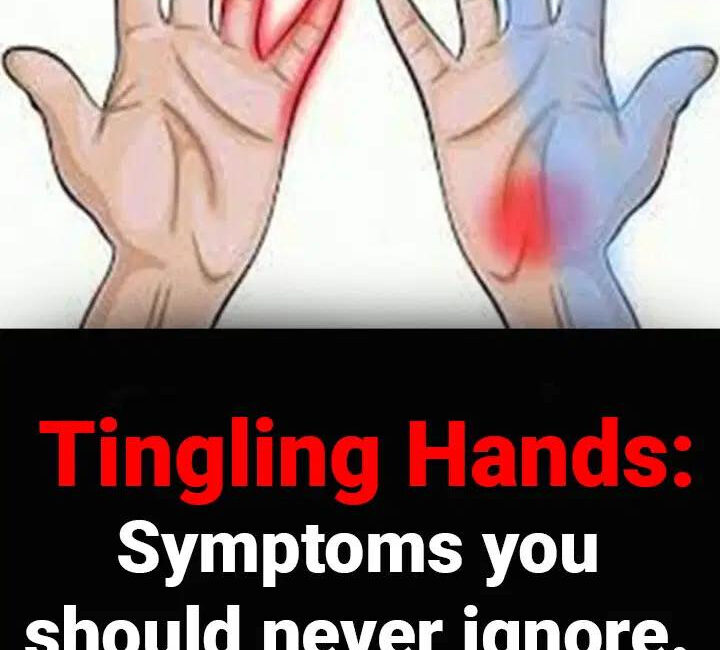
Experiencing tingling sensations in your hands can be alarming and uncomfortable. Often described as pins and needles, numbness, or a prickly feeling, tingling hands are a common complaint that may stem from a variety of underlying conditions ranging from benign to serious. This symptom can interfere with daily activities, diminish quality of life, and sometimes signal a need for urgent medical attention.
This article offers a detailed exploration of the symptoms of tingling hands, aiming to equip you with comprehensive knowledge about potential causes, diagnostic approaches, treatment modalities, and lifestyle strategies to manage or prevent this condition. Whether you have recently noticed intermittent tingling or chronic numbness, understanding this sensation is the first step toward effective management.
What Does Tingling in the Hands Feel Like?
Tingling hands are often described as a “pins and needles” sensation, medically termed paresthesia. This feeling can vary in intensity, frequency, and duration, and may be accompanied by other symptoms such as numbness, weakness, burning, or a cold sensation.
People experiencing tingling may report sensations such as:
- A prickling or crawling feeling under the skin
- Temporary numbness or partial loss of sensation
- Mild to moderate discomfort or irritation
- A sensation resembling the hands “falling asleep”
The sensation can be transient, occurring briefly after pressure is applied to nerves or blood vessels, or chronic, persisting over weeks or months.
Common Symptoms Associated with Tingling Hands
When tingling hands present, it is important to note accompanying symptoms to aid diagnosis:
- Numbness: Reduced or absent sensation, often accompanying tingling
- Muscle Weakness: Difficulty gripping or lifting objects
- Swelling or Redness: Indicating possible inflammation or injury
- Pain or Burning Sensation: Often linked to nerve irritation or damage
- Cold or Warm Sensations: Changes in temperature perception
- Clumsiness or Coordination Problems: Reflecting more severe nerve involvement
- Changes in Skin Color: Pale, blue, or red discoloration may signal circulation issues
Recognizing patterns in these symptoms is vital for identifying the underlying cause.
Anatomical and Physiological Background: Why Do Tingling Hands Occur?
Tingling in the hands arises due to disturbances in the nervous system or blood supply affecting the peripheral nerves or central nervous system pathways responsible for sensory perception.
Peripheral Nerves
Peripheral nerves transmit sensory information from the skin and muscles to the brain and control motor function. Compression, irritation, or injury to these nerves can result in abnormal sensations such as tingling.
Central Nervous System
Issues in the spinal cord or brain affecting sensory pathways can also manifest as tingling in the hands, often accompanied by other neurological deficits.
Circulatory System
Restricted blood flow to the hands due to vascular conditions can cause ischemia (lack of oxygen) and result in tingling sensations.
Understanding these physiological components helps clinicians pinpoint potential causes.
Causes of Tingling Hands: A Comprehensive Overview
The causes of tingling hands are varied and can be broadly classified into neurological, vascular, metabolic, traumatic, infectious, and other categories.
1. Neurological Causes
Peripheral Neuropathy: Damage to peripheral nerves due to diabetes mellitus (diabetic neuropathy), vitamin deficiencies (especially B12), or toxic exposures can cause chronic tingling and numbness.
Carpal Tunnel Syndrome: Compression of the median nerve as it passes through the wrist results in tingling, numbness, and sometimes pain in the thumb, index, middle, and part of the ring finger.
Cervical Radiculopathy: Nerve root compression in the neck from herniated discs or spinal stenosis causes tingling radiating into the hands.
Multiple Sclerosis (MS): An autoimmune disorder affecting the central nervous system that can cause intermittent tingling and numbness among other neurological symptoms.
Thoracic Outlet Syndrome: Compression of nerves or blood vessels near the neck and shoulder can cause tingling in the hands and fingers.
Ulnar Neuropathy: Compression or irritation of the ulnar nerve at the elbow or wrist leads to tingling in the ring and little fingers.
Tarsal Tunnel Syndrome: Though less common in hands, similar nerve entrapment syndromes may cause tingling symptoms.
2. Vascular Causes
Raynaud’s Phenomenon: A disorder causing blood vessel spasms in response to cold or stress, leading to color changes, numbness, and tingling in the fingers.
Peripheral Artery Disease (PAD): Narrowing of peripheral arteries can reduce blood flow to the hands, causing tingling and pain.
Blood Clots or Emboli: Obstruction in blood flow may cause acute tingling with other symptoms like swelling or discoloration.
3. Metabolic Causes
Diabetes Mellitus: High blood sugar levels damage nerves and blood vessels, making diabetic neuropathy a leading cause of tingling hands.
Vitamin Deficiencies: Particularly deficiencies in B vitamins (B1, B6, B12), vitamin E, and folate can impair nerve function.
Hypothyroidism: Low thyroid hormone levels can cause fluid retention and nerve compression leading to tingling.
Electrolyte Imbalances: Abnormal levels of calcium, potassium, or magnesium affect nerve conduction.
4. Traumatic and Mechanical Causes
Repetitive Strain Injuries (RSI): Prolonged repetitive movements cause nerve irritation or inflammation.
Fractures or Dislocations: Trauma to the wrist, forearm, or neck may damage nerves causing tingling.
Pressure or Prolonged Posture: Sleeping on an arm or resting elbows on hard surfaces compresses nerves temporarily.
5. Infectious and Inflammatory Causes
Lyme Disease: A bacterial infection transmitted by ticks can cause neurological symptoms including tingling.
Shingles (Herpes Zoster): Reactivation of chickenpox virus causes painful rash and tingling along nerve pathways.
Autoimmune Disorders: Conditions such as lupus or rheumatoid arthritis can cause nerve inflammation.
6. Other Causes
Click page 2 for more