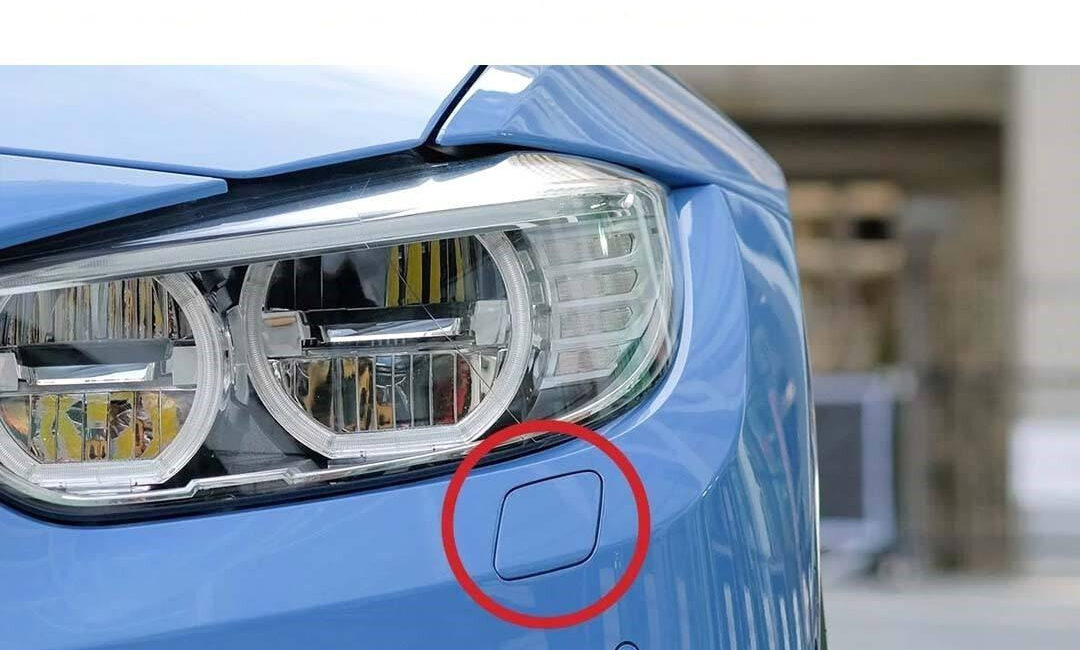
When you look at the front of almost any modern car, you’ll notice a small, often understated rectangular or square panel embedded somewhere on the bumper—usually on the lower front fascia, near the grille or license plate area. This little panel might seem insignificant or purely decorative at first glance, but it actually serves a very important and highly practical purpose.
This detailed article dives deep into what that little panel on the car’s bumper is for, why it exists, the technology behind it, and how it contributes to both vehicle safety and maintenance. From design nuances to real-world implications, by the end of this extensive guide, you’ll fully understand the critical role of this small but mighty feature on your vehicle.
Understanding the Little Panel on the Front Bumper: What Is It?
The little panel on the front bumper is commonly known as a tow hook cover or towing eye cover. While the terminology might vary slightly, its function is largely consistent across car manufacturers and models.
What Exactly Is a Tow Hook Cover?
In essence, the tow hook cover is a small removable panel or flap integrated into the front bumper. It conceals a threaded mounting point for a tow hook—a metal fixture that can be screwed into the vehicle’s frame to allow for towing or recovery if the car becomes immobilized.
The cover is designed to blend seamlessly with the bumper’s surface, maintaining the car’s aesthetic while protecting the underlying tow hook socket from dirt, debris, and corrosion.
Why Is This Panel Needed? The Practical Purpose of the Tow Hook Cover
1. Tow Hook Access Point
The primary function of the little panel is to provide easy access to the tow hook mounting point. When a vehicle gets stuck, breaks down, or needs to be towed for any reason, emergency responders, mechanics, or even the driver themselves can remove the cover and attach a tow hook or recovery strap securely.
- Towing During Breakdowns: Tow trucks use the tow hook to pull the vehicle without damaging the bodywork.
- Emergency Recovery: If a car is stuck in mud, snow, or sand, the tow hook provides a sturdy point to attach a winch or pull rope.
- Safety in Accidents: After collisions, the tow hook allows safe vehicle removal from dangerous locations.
Without this access panel, the bumper would need to be removed or the car lifted to locate a safe towing point, which would be time-consuming and impractical during emergencies.
The Design and Engineering Behind the Tow Hook Cover
Automotive designers and engineers carefully design this panel to fulfill multiple requirements simultaneously:
1. Aesthetic Integration
- The tow hook cover is molded and painted to match the bumper perfectly.
- It is designed to be almost invisible to casual observers, preserving the vehicle’s sleek exterior.
2. Ease of Removal
- The panel is secured in a way that allows easy removal without specialized tools.
- Some covers can be popped out manually, while others may require simple tools included in the vehicle’s toolkit.
3. Durability and Protection
- Made from durable plastic or composite materials.
- Protects the threaded tow hook socket from moisture, dirt, salt, and road debris, preventing rust and corrosion.
- Maintains the structural integrity of the bumper by reinforcing the area around the mounting point.
4. Safety Compliance
- Must meet regulatory standards for vehicle safety and crash performance.
- The panel’s design ensures it does not interfere with airbag sensors, parking sensors, or radar-based driver-assistance systems embedded in modern bumpers.
Tow Hook Covers in Different Types of Vehicles
The presence and design of tow hook covers vary depending on the make, model, and type of vehicle.
Passenger Cars
Most passenger vehicles, from compact sedans to luxury SUVs, feature a tow hook cover on the front bumper. The size and shape of the panel depend on the bumper design and vehicle dimensions.
- Compact cars tend to have smaller, less conspicuous covers.
- SUVs and trucks may have larger, more robust tow hook covers to accommodate heavier towing needs.
Sports Cars and Performance Vehicles
Performance cars often have aerodynamically optimized bumpers with minimal openings. The tow hook cover is designed to maintain airflow and minimize drag while remaining accessible for towing.
Trucks and Commercial Vehicles
Heavy-duty trucks may have larger tow hook access points, sometimes with heavy-duty tow hooks permanently attached or mounted externally, reducing the need for concealed panels.
How to Use the Tow Hook Cover and Tow Hook
Knowing how to properly use the tow hook cover and tow hook is important for vehicle owners.
Step 1: Locate the Tow Hook Cover
- Usually found on the lower front bumper, often on the passenger side but this varies.
- Look for a small, flush panel with no visible seams or screws.
Step 2: Remove the Cover
- Gently pry off the panel using a flathead screwdriver or the tool provided in your vehicle’s emergency kit.
- Take care not to damage the paint or bumper surface.
Step 3: Attach the Tow Hook
Click page 2 for more