- Unscrew the tow hook from your vehicle’s toolkit.
- Thread the tow hook into the exposed socket firmly but without excessive force.
- Ensure it is securely fastened to avoid slipping or damage during towing.
Step 4: Tow or Recover the Vehicle
- Attach the tow rope or tow bar to the installed tow hook.
- Proceed with towing or recovery as needed, following safety guidelines.
Step 5: Replace the Cover
- After towing or recovery, unscrew and remove the tow hook.
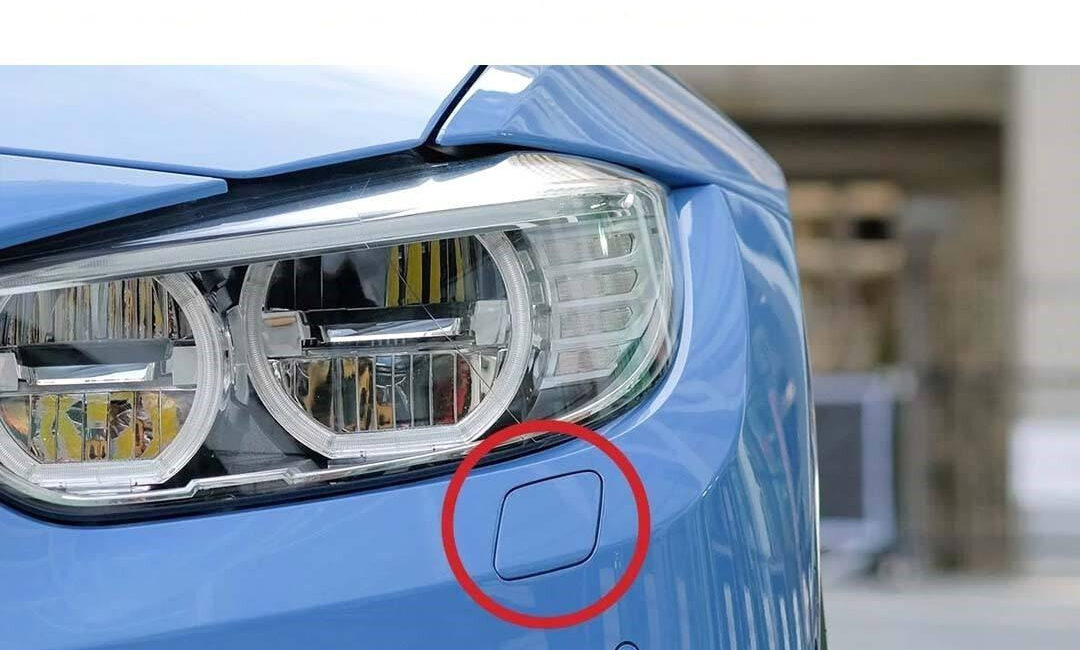
- Snap or press the tow hook cover back into place to protect the socket.
Common Questions About the Little Panel on the Front Bumper
Why Don’t All Cars Have This Panel?
Some older vehicles or certain models may not have a visible tow hook cover because:
- The tow hook mounting point is located elsewhere.
- Tow hooks may not be standard equipment.
- Alternative towing methods are used (e.g., chassis hooks or dedicated recovery points).
What Happens If the Cover Is Lost?
Losing the tow hook cover leaves the tow hook socket exposed to dirt and corrosion, potentially making future towing difficult and risking damage.
Replacement covers are usually inexpensive and available from dealerships or auto parts suppliers.
Can I Drive Without the Tow Hook Cover?
While you can drive without the cover, it’s not advisable because:
- It exposes the threaded socket to elements that cause rust.
- It detracts from the vehicle’s aesthetic.
- It may affect resale value or warranty coverage.
Can I Use Any Tow Hook?
No. The tow hook supplied with the vehicle is specifically designed for the socket’s thread size and strength requirements. Using incompatible hooks can damage the socket or cause towing failures.
Advanced Features and Innovations Related to Tow Hook Covers
With the advancement of automotive technology, tow hook covers have evolved beyond simple plastic panels.
Integrated Sensors and Systems
Some modern vehicles incorporate sensors behind the tow hook cover, including:
- Parking Sensors: Ultrasonic sensors that assist with parking proximity alerts.
- Radar Sensors: Used in adaptive cruise control and collision avoidance systems.
The tow hook cover must be designed to not obstruct these sensors or interfere with their operation.
Aerodynamic Enhancements
In performance vehicles, the cover’s shape contributes to aerodynamic efficiency by minimizing drag and turbulence at high speeds.
Quick-Release Designs
Newer designs include quick-release mechanisms that allow even faster access to the tow hook socket during emergencies, improving safety and response times.
The Role of Tow Hook Covers in Vehicle Maintenance and Insurance
Maintenance Benefits
- Protecting the tow hook socket reduces corrosion, extending the longevity of the towing mechanism.
- Keeping the cover intact preserves the overall condition of the bumper, avoiding cosmetic damage.
Insurance and Warranty Implications
- Some insurance policies require accessible tow points for roadside assistance eligibility.
- Vehicle warranties may stipulate proper maintenance of tow hook covers to avoid damage claims related to towing mishaps.
Tow Hook Covers and Vehicle Safety: More Than Meets the Eye
The small panel plays an indirect but critical role in safety:
- Enables safe towing without bumper damage.
- Prevents bumper deformation during recovery efforts.
- Protects critical sensors for advanced driver assistance systems.
The absence or damage of the tow hook cover could complicate emergency responses and increase repair costs.
How Tow Hook Covers Reflect Broader Automotive Design Trends
Minimalism and Hidden Features
The tow hook cover exemplifies a broader trend in automotive design—integrating functional elements invisibly into the vehicle’s exterior to maintain sleek aesthetics.
Manufacturers strive to blend utility and beauty, ensuring nothing detracts from the car’s styling while preserving essential functions.
Durability and Sustainability
Materials chosen for tow hook covers increasingly prioritize durability and environmental sustainability, reflecting industry moves towards eco-friendly plastics and composites.
Practical Tips for Vehicle Owners Regarding Tow Hook Covers
- Regularly inspect the tow hook cover for damage or looseness.
- Clean the cover and surrounding bumper area to prevent dirt accumulation.
- Keep the vehicle’s towing accessories organized and accessible.
- Familiarize yourself with the location and removal method before an emergency.
- Replace lost or damaged covers promptly with OEM parts.
Conclusion: The Unassuming Yet Essential Little Panel on Your Car’s Front Bumper
The little panel on the front of your car’s bumper is far more than just a cosmetic feature—it is a thoughtfully engineered access point that plays a vital role in vehicle safety, maintenance, and emergency preparedness. From protecting the tow hook socket against corrosion to enabling efficient and safe vehicle recovery, this small panel embodies the perfect blend of form and function.
By understanding its purpose, how to use it, and why it matters, you gain deeper insight into your vehicle’s design and the many safety systems working silently to protect you on the road. Next time you notice this little panel on your car’s bumper, you’ll appreciate the engineering behind it and the critical role it plays in your vehicle’s performance and safety.