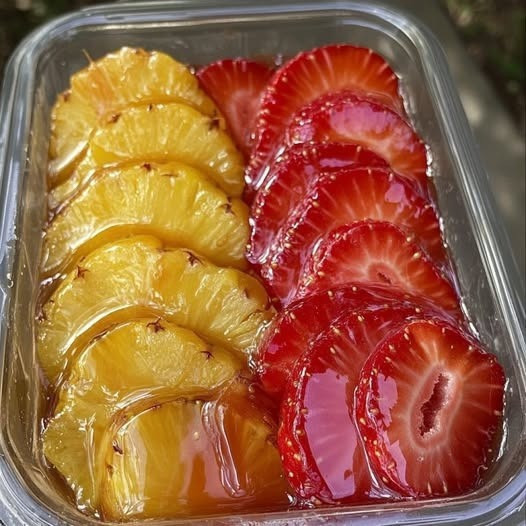
Creating homemade candy is an art that combines patience, precision, and creativity. Among the wide variety of confections, strawberries and pineapple candy stands out as a vibrant, fruity delight that offers both nostalgia and gourmet appeal. Unlike store-bought candy, homemade versions allow you to control sweetness, texture, and flavor intensity, producing a treat that is both healthier and more customizable. In this article, we will walk you through the complete process—from ingredient selection to advanced techniques—so you can craft your own strawberries and pineapple candy at home, achieving professional-quality results.
1. The Appeal of Homemade Fruit Candy
Fruit-based candy has a unique allure. It combines the natural sweetness of fruits with the satisfying chewiness or crunch of a well-made candy base. Strawberries and pineapple, in particular, are ideal for candy-making due to their natural flavor profiles:
- Strawberries: Sweet, slightly tart, and aromatic, strawberries infuse the candy with a vibrant red color and refreshing flavor.
- Pineapple: Tropical, tangy, and sweet, pineapple adds complexity and a subtle acidity that balances the overall sweetness.
The combination creates a candy that is not only visually striking but also pleasing to the palate, offering layers of flavor with every bite.
2. Essential Ingredients for Homemade Candy
Achieving perfect homemade strawberries and pineapple candy begins with selecting high-quality ingredients. Each component plays a crucial role in flavor, texture, and shelf life.
2.1 Fresh Fruits
- Strawberries: Use ripe but firm strawberries. Overripe strawberries contain too much moisture, which can affect candy texture.
- Pineapple: Fresh pineapple is preferable for its natural sweetness and aroma. Avoid canned pineapple, which can introduce excess moisture and alter texture.
2.2 Sweeteners
Candy-making relies heavily on precise sugar work. Common sweeteners include:
- Granulated sugar: Provides structure and a smooth texture when melted.
- Corn syrup: Prevents crystallization and ensures a chewy consistency.
- Honey or agave syrup: Optional for natural sweetness and added depth of flavor.
2.3 Acidic Agents
Adding a small amount of acid balances sweetness and enhances fruit flavor:
- Citric acid: Enhances tartness, intensifies color, and preserves candy freshness.
- Lemon juice: Natural source of acid that brightens fruit flavors.
2.4 Optional Additions
- Food coloring: Enhances the visual appeal of the candy. Use natural options derived from beetroot (for red) or turmeric (for yellow).
- Flavor extracts: Strawberry or pineapple extract can boost flavor intensity without adding additional sugar.
3. Equipment Required
To achieve candy perfection, you need the right tools:
- Candy thermometer: Ensures precise temperature control to prevent overcooking or undercooking.
- Heavy-bottomed saucepan: Distributes heat evenly, reducing the risk of scorching.
- Silicone molds or parchment paper: For shaping and cooling candy.
- Wooden spoon or heat-resistant spatula: For stirring without scratching your cookware.
- Blender or food processor: For creating smooth fruit purees.
4. Preparing the Fruit Purees
The foundation of your strawberries and pineapple candy is the fruit puree. Proper preparation ensures vibrant color, consistent flavor, and smooth texture.
4.1 Strawberry Puree
- Wash and hull fresh strawberries.
- Blend strawberries until smooth.
- Strain through a fine mesh sieve to remove seeds, resulting in a silky puree.
4.2 Pineapple Puree
- Peel and core fresh pineapple.
- Cut into small chunks and blend until smooth.
- Strain to remove fibrous material for a smoother candy texture.
4.3 Combining Purees
Depending on your desired flavor balance, you can use equal parts strawberry and pineapple puree or adjust for sweeter strawberry dominance or tangier pineapple emphasis.
5. Candy-Making Process
Making homemade strawberries and pineapple candy involves carefully controlling heat, sugar concentration, and timing.
5.1 Stage 1: Cooking the Sugar Base
- In a heavy-bottomed saucepan, combine sugar and corn syrup.
- Add fruit purees gradually, stirring constantly to prevent scorching.
- Attach a candy thermometer and bring the mixture to 240–245°F (soft-ball stage) for chewy candy or 250–265°F (hard-ball stage) for firmer candy.
5.2 Stage 2: Adding Acid and Flavor
Once the mixture reaches the correct temperature:
- Stir in lemon juice or citric acid to enhance flavor.
- Add optional flavor extracts or natural food coloring.
- Mix thoroughly to ensure even distribution without introducing air bubbles.
5.3 Stage 3: Pouring and Shaping
- Pour the hot candy mixture into silicone molds or onto parchment-lined trays.
- Use a spatula to smooth the surface if pouring onto a tray.
- Allow candy to cool at room temperature. Do not refrigerate, as this can cause sugar bloom or uneven texture.
6. Advanced Techniques for Perfect Candy
Click page 2 for more