Many modern plastic cutting boards are marketed as “antibacterial” or “microban-treated.” While these products may offer some resistance to microbial growth, they’re not a substitute for proper cleaning.
Antibacterial coatings lose effectiveness over time, especially after repeated washing or knife contact. Relying solely on these claims can create a false sense of security. Always clean and sanitize your board manually — no exceptions.
Eco-Friendly Cleaning Options for Sustainable Kitchens
If you’re conscious of reducing chemical use in your home, there are plenty of eco-friendly ways to maintain a germ-free cutting board while protecting the environment.
1. Vinegar and Water Spray
Mix equal parts white vinegar and water in a spray bottle. Use it as a natural disinfectant after each use.
2. Hydrogen Peroxide Mist
Keep a small bottle of 3% hydrogen peroxide in your kitchen. A quick spritz and wipe-down after prepping meat can eliminate bacteria without leaving residue.
3. Baking Soda Paste
Create a thick paste with baking soda and water to scrub away stains and deodorize.
4. Essential Oils
Add a few drops of tea tree oil or lemon oil to your natural cleaning solutions for an added antimicrobial effect and fresh scent.
These methods are safe, inexpensive, and effective — proving you can have both cleanliness and sustainability.
When to Replace Your Plastic Cutting Board
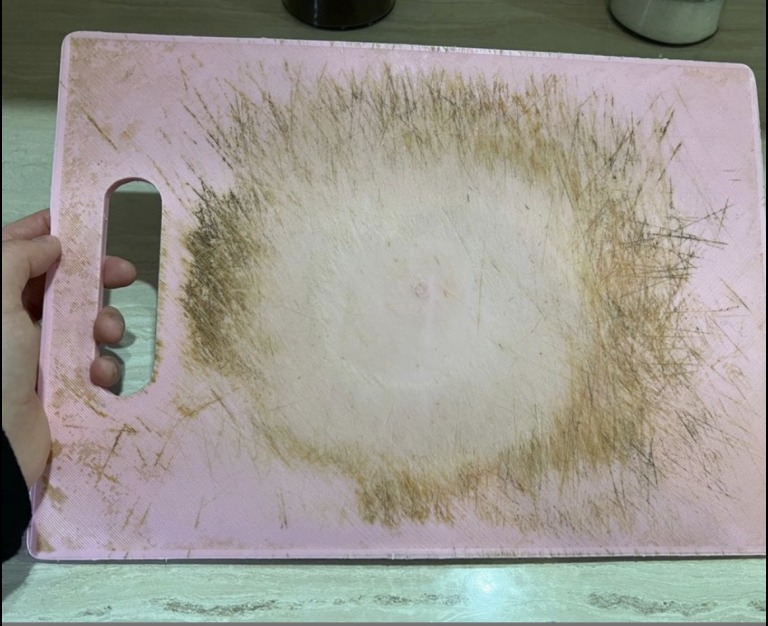
No matter how diligent you are, every plastic cutting board reaches its expiration date. Signs it’s time for a replacement include:
- Deep, visible knife grooves
- Discoloration that doesn’t fade with cleaning
- Persistent odors
- Warping or uneven surfaces
- Sticky texture or residue buildup
Using a worn-out cutting board is like using a contaminated sponge — no amount of cleaning will make it completely safe again. Replacing it ensures your kitchen stays hygienic and your food uncontaminated.
The Role of Cutting Boards in Food Safety and Kitchen Health
It’s easy to underestimate how crucial your cutting board is to food safety. Alongside clean utensils and hands, it’s one of the most important barriers between you and harmful bacteria.
The Centers for Disease Control (CDC) estimates that millions of people suffer from foodborne illnesses annually, with cross-contamination being one of the top causes. Most of those infections could be prevented with simple hygiene practices — like washing hands, disinfecting tools, and cleaning cutting boards properly.
A germ-free kitchen isn’t about being obsessive; it’s about being proactive. By maintaining a clean cutting board, you’re effectively protecting your family from unnecessary risks.
Extending the Lifespan of Your Plastic Cutting Board
Want your cutting board to last longer while staying safe? Follow these maintenance tips:
- Rotate Boards: Use different boards in rotation to prevent overuse of one surface.
- Avoid Extreme Temperatures: Don’t place boards near hot pans or in direct sunlight. Heat can warp or degrade plastic.
- Polish Out Minor Scratches: Occasionally buff shallow scratches with a fine sandpaper or scrubbing pad.
- Disinfect Weekly: Even if you clean daily, do a full disinfecting soak once a week.
- Store Upright: It improves airflow and prevents moisture damage.
A well-maintained cutting board not only lasts longer but also supports better food hygiene and cutting precision.
The Hidden Link Between Cutting Boards and Gut Health
Here’s a fascinating insight: your kitchen hygiene directly influences your gut microbiome. Every meal you prepare carries invisible traces of your cooking environment. When your cutting board harbors bacteria, those microbes can transfer to food, impacting digestion and long-term health.
Repeated low-level exposure to contaminated surfaces may not cause immediate illness, but it can disrupt your natural gut flora — which plays a crucial role in immunity, metabolism, and mental well-being.
That’s why maintaining a bacteria-free cutting board is more than just a cleaning ritual. It’s part of a broader approach to whole-body wellness and preventive health care.
Creating a Germ-Free Kitchen Routine
Your kitchen’s overall cleanliness is a system — not a single habit. Your cutting board, knives, countertops, and hands all work together in the flow of food preparation.
To build a truly germ-free kitchen environment, incorporate these habits into your daily routine:
- Wash hands for at least 20 seconds before and after food prep.
- Sanitize countertops and sinks before cooking.
- Use separate towels for drying dishes and hands.
- Keep dish sponges clean or replace them frequently.
- Sanitize the kitchen sink weekly — it’s often dirtier than the cutting board.
- Store raw meat on the lowest refrigerator shelf to prevent drips.
By combining these steps with consistent cutting board hygiene, you create a safe, efficient, and health-conscious cooking space.
Final Thoughts: A Clean Cutting Board Is a Healthy Kitchen
Your cutting board may seem like a small part of your kitchen, but it’s a central piece in maintaining food safety and protecting your family’s health. Plastic boards offer convenience and affordability, but they demand mindful care and regular maintenance to remain truly sanitary.
The key to a germ-free kitchen isn’t complicated technology or expensive gadgets — it’s discipline, awareness, and smart habits. By cleaning, disinfecting, and replacing your plastic cutting board at the right times, you’re building a foundation of safety that extends to every meal you prepare.
So the next time you chop vegetables or slice chicken, take a moment to appreciate that humble surface beneath your knife. It’s more than a tool — it’s your first line of defense against contamination, a silent protector of your family’s health, and the unsung hero of your culinary life.
Keep it clean, keep it safe, and you’ll keep your kitchen — and everyone in it — thriving.