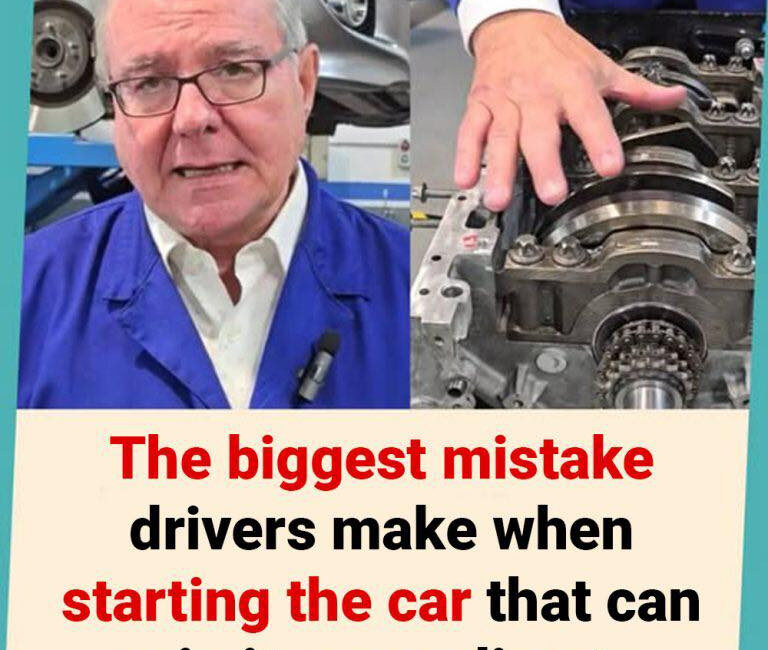
Starting your car may seem like the simplest part of driving—a momentary press of a button or turn of a key—but mechanics will tell you that this seemingly minor action can determine the longevity, performance, and overall health of your vehicle. Surprisingly, many drivers unknowingly commit a critical mistake when starting their engine that can lead to premature wear, expensive repairs, and even total engine failure over time. Understanding what this mistake is, why it happens, and how to avoid it can save thousands in maintenance costs and ensure your vehicle runs efficiently for years.
In this comprehensive guide, we’ll dive deep into the mechanics of starting a car, the common errors drivers make, how those errors impact engine health, and the best practices recommended by professional mechanics. We’ll also explore related habits, fuel types, modern engine technology, and step-by-step instructions for safe car starting.
Why Starting a Car Properly Matters
At first glance, starting your car is just a switch-flipping or button-pushing action. Yet, underneath this simple gesture lies a complex orchestration of mechanical, electrical, and chemical reactions. When done incorrectly, even momentarily, these actions can set off a chain of problems:
- Premature engine wear – Engines operate at high temperatures and rely on optimal lubrication. Incorrect starting habits can prevent oil from reaching all engine components immediately, causing metal-on-metal friction.
- Starter motor strain – Rapid, repeated, or improper engagement can overheat or damage the starter motor, leading to costly replacements.
- Battery depletion – Improper use of ignition or excessive cranking can strain your car battery and shorten its life.
- Fuel system inefficiency – Modern engines rely on precise fuel delivery. Starting errors can disrupt fuel atomization, affecting combustion and fuel economy.
Mechanics consistently note that one small habit—releasing the brake incorrectly, pressing the gas pedal prematurely, or failing to allow the system to prime—can magnify over time. This is the often-overlooked mistake that can silently ruin your car.
The #1 Mistake Drivers Make When Starting Their Car
According to mechanics, the biggest mistake drivers make is pressing the accelerator (gas pedal) immediately upon starting the engine.
Many people believe that gently pressing the gas will “wake up” the engine or help it start faster. In reality, modern engines are designed to start optimally without pressing the accelerator. Doing so can cause several issues:
1. Engine Flooding
When you press the gas pedal too early, you risk injecting excess fuel into the combustion chamber. This can flood the engine, making it difficult to start and forcing the starter to work harder. Repeated flooding can damage spark plugs, foul ignition coils, and reduce overall engine efficiency.
2. Increased Engine Wear
Excess fuel mixed with oil and incomplete combustion can create a sticky residue inside the engine, increasing friction and accelerating wear on critical components like pistons, valves, and cylinder walls. Over years of improper starts, this residue can significantly reduce engine lifespan.
3. Starter Motor Strain
The starter motor is designed to crank the engine just enough for it to ignite fuel and run on its own. When a driver presses the gas pedal during startup, the starter motor works harder, especially in fuel-injected engines. This additional strain can lead to early failure, which is one of the costliest repairs in modern cars.
4. Exhaust System Stress
Excess fuel from premature acceleration can enter the exhaust system unburned, leading to the accumulation of carbon deposits in the catalytic converter. Over time, this reduces efficiency, triggers warning lights, and may require expensive replacements.
Why This Mistake Is So Common
Despite warnings, many drivers make this mistake because of misconceptions from older vehicles.
- Older carbureted engines often required “pumping the gas” to start, especially in cold weather. Drivers accustomed to older vehicles carry this habit into modern fuel-injected cars.
- Cold starts in traditional engines sometimes required additional throttle to prevent stalling. Modern engines are designed to auto-adjust fuel and air mixture for cold starts, making manual gas input unnecessary.
- Lack of awareness – Many drivers simply aren’t educated about how modern engines function, leading to habits that were never corrected.
Mechanics emphasize that modern engine management systems (ECUs) are incredibly precise and do not require human intervention to prime the engine. Trusting the car’s built-in system is the safest and most efficient approach.
How Modern Engines Handle Starting
Understanding why pressing the accelerator is unnecessary requires knowing how modern engines start:
- Fuel Injection Timing – Modern fuel-injected engines deliver the precise amount of fuel to the combustion chamber. Pressing the gas disrupts this balance, which can flood the engine or create rich fuel mixtures.
- Electronic Throttle Control (ETC) – Many newer cars use ETC instead of a traditional throttle cable. The ECU determines optimal throttle position during startup. Manually pressing the gas pedal can confuse the ECU, potentially affecting fuel economy and idle stability.
- Cold Start Mechanisms – In cold conditions, the ECU increases fuel delivery slightly to compensate for dense air and reduce stalling. Manual intervention is unnecessary.
- Starter Motor Protection – Most cars have built-in safeguards to prevent excessive cranking. Still, human error can override safe practices, leading to strain and wear.
By relying on these systems instead of pressing the accelerator, you reduce unnecessary stress on the engine and electrical components.
The Effects of Pressing the Gas Pedal While Starting
Here’s a detailed breakdown of what happens when drivers press the gas prematurely:
Mechanical Impacts
- Piston and Cylinder Wear – Excess fuel washes away the protective oil film, increasing friction.
- Spark Plug Fouling – Too much fuel leaves deposits on spark plugs, causing misfires and rough idling.
- Valve Damage – Unburned fuel can corrode valves, affecting compression and efficiency.
Electrical Impacts
- Starter Motor Overheating – Continuous cranking under load generates heat and can burn out the starter.
- Battery Drain – Excessive cranking draws more current, reducing battery lifespan and reliability.
Exhaust Impacts
- Catalytic Converter Damage – Unburned fuel burns in the exhaust, creating excessive heat and damaging the catalytic converter.
- Increased Emissions – Flooding and incomplete combustion lead to higher hydrocarbon emissions.
Correct Way to Start Your Car
Mechanics emphasize a step-by-step, safe approach to starting any modern car:
Step 1: Prepare the Vehicle
- Ensure the car is in Park (automatic) or Neutral (manual).
- Check that the parking brake is engaged.
- Confirm the area is safe before starting the engine.
Step 2: Insert the Key or Push the Start Button
Click page 2 for more