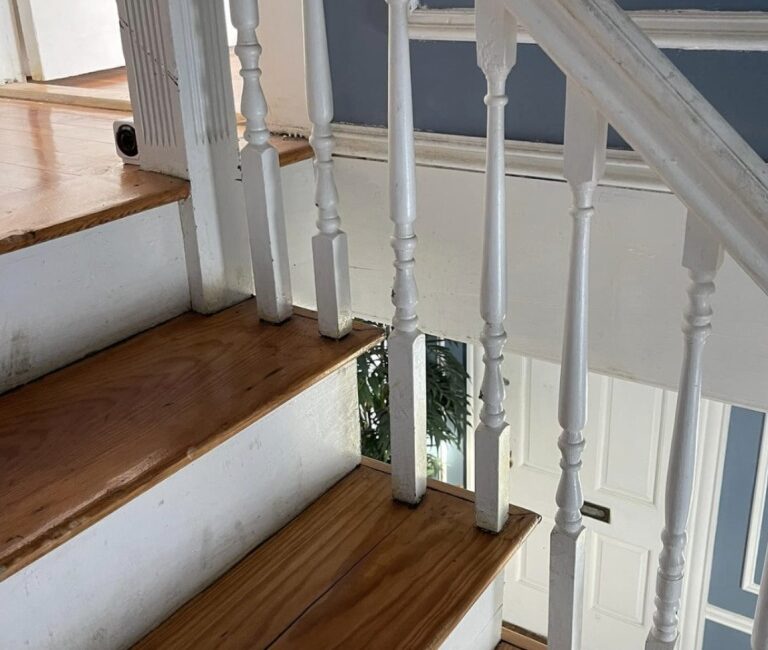
Homes are more than structures; they are vessels of memory, emotion, and identity. A single upside-down baluster can imbue a staircase with character and soul, creating a small but profound emotional connection for residents and visitors alike. It reminds us that even the smallest details in a home can carry weighty meaning.
The Psychology Behind Noticing an Upside-Down Baluster
Interestingly, people’s reactions to upside-down balusters reveal something about human psychology. Some people are immediately drawn to the anomaly, experiencing curiosity or even mild discomfort due to the break in visual symmetry. Others may not consciously notice it but still feel that something is “off” about the staircase.
1. Subtle Disruption of Pattern Recognition
The human brain is wired to detect patterns and symmetry. An upside-down baluster subtly disrupts these patterns, creating a small cognitive dissonance that draws attention and prompts reflection. This disruption can make a home feel more dynamic, layered, and intriguing.
2. Heightened Awareness and Mindfulness
For some homeowners, noticing the reversed baluster becomes a mindfulness exercise—a reminder to slow down, observe details, and appreciate the layers of meaning in everyday life. In a fast-paced world, these small architectural deviations can foster reflection and awareness.
3. Emotional Resonance
In addition to cognitive impact, the upside-down baluster can evoke emotional responses. It may trigger nostalgia for historic homes, admiration for craftsmanship, or even a sense of mystery and intrigue. These reactions contribute to the staircase’s enduring fascination.
Practical Implications for Homeowners
If you discover an upside-down baluster in your home, you may wonder whether to leave it or correct it. The decision depends on perspective, values, and design priorities:
1. Embrace the Imperfection
For those who value symbolism, history, and craftsmanship, leaving the reversed baluster in place preserves the story and meaning embedded in the staircase. It becomes a conversation piece, a point of pride, and a subtle tribute to the traditions of building with soul.
2. Correct It for Aesthetic Uniformity
If symmetry and visual consistency are paramount, the upside-down baluster can be carefully reversed or replaced. While this removes the historical or symbolic nuance, it maintains a pristine aesthetic, which some modern interiors prioritize.
3. Integrate Its Story Into Home Decor
Even if reversed, the baluster can be highlighted intentionally—through lighting, accent decor, or storytelling—turning a subtle quirk into a celebrated design feature. This approach bridges tradition and contemporary style, allowing the homeowner to honor the hidden story without sacrificing visual appeal.
Stories and Anecdotes From Homes With Upside-Down Balusters
Across the world, homeowners and historians have shared remarkable stories about upside-down balusters:
- In a Victorian-era home, a single reversed baluster was said to honor the carpenter who built the staircase and later passed away, leaving his mark as a subtle tribute.
- In European manor houses, these inverted balusters were sometimes installed to guide the “good spirit” of the home, reflecting local folklore and mystical beliefs.
- Contemporary architects occasionally include one upside-down baluster as a playful nod to historical tradition, sparking curiosity among visitors and guests.
These stories highlight the rich, layered meanings that a small architectural detail can carry, transforming an ordinary staircase into a narrative of craftsmanship, culture, and emotion.
Balusters and Symbolism in Broader Architecture
The upside-down baluster is part of a broader tradition of subtle symbolism in architecture. Across cultures, builders have historically embedded hidden meanings in structures:
- Slight deviations in symmetry to symbolize imperfection or humility.
- Small design anomalies to honor ancestors or craftsmen.
- Subtle markers to guide spiritual energy or protect inhabitants.
The upside-down baluster fits seamlessly into this continuum, demonstrating that even the smallest architectural element can hold profound significance.
How to Identify an Intentional Upside-Down Baluster
If you’re curious whether a reversed baluster in your home is accidental or deliberate, consider the following:
- Craftsmanship Quality – High-quality homes with precise construction often feature intentional reversals, whereas construction errors tend to be more random and unpolished.
- Historical Context – Older homes, especially those built in the Victorian, Colonial, or European tradition, are more likely to contain symbolic balusters.
- Pattern in Placement – Intentional reversals usually stand out alone and do not disrupt the overall structural integrity. Mistakes may appear in clusters or be inconsistent.
- Consult Local Architectural Traditions – Regional building practices often carry unique symbolic conventions that can explain the presence of a reversed baluster.
Conclusion: More Than Just a Quirk
A single upside-down baluster is far more than a construction anomaly. It is a window into the soulful, symbolic, and historical layers of a home. Whether it represents humility, craftsmanship, spiritual protection, or a hidden story, it transforms a simple staircase into a narrative-rich environment that invites curiosity, reflection, and appreciation.
Next time you encounter an upside-down baluster, pause and consider its meaning. It’s a small detail with a powerful message: even in the most ordinary places, there is room for story, symbolism, and human expression. This humble architectural twist reminds us that perfection is not the goal, but rather the thoughtful intention and hidden narratives behind every creation.