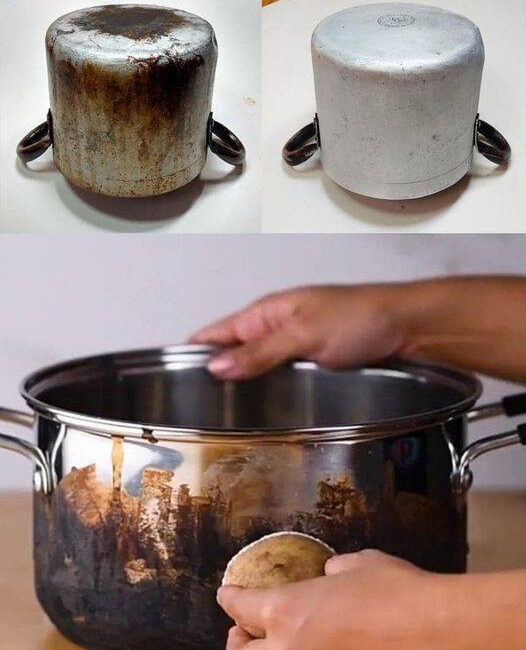
Stainless Steel
- Baking soda is ideal for removing burnt residues without scratching.
- Avoid using metal scouring pads, which can leave permanent scratches.
Non-Stick Pans
- Use baking soda sparingly and never scrub with abrasive materials.
- Avoid boiling the pan dry; gentle simmering is sufficient.
Cast Iron
- Do not soak in water for extended periods.
- Use a paste of baking soda and water with gentle scrubbing.
- Reseason the pan afterward to restore the protective layer.
Aluminum
- Baking soda works effectively, but avoid prolonged soaking to prevent discoloration.
- Rinse thoroughly to avoid any lingering residue that may affect future cooking.
Preventive Measures to Avoid Burns
The best way to deal with burnt pots and pans is to prevent burns in the first place. Here are some practical tips:
- Monitor Cooking Temperature: Avoid high heat when simmering sauces or milk.
- Use Non-Stick Cookware for Sticky Ingredients: Foods like caramel, syrups, and tomato sauces are prone to sticking.
- Stir Frequently: Prevent food from settling and burning on the bottom of the pan.
- Preheat Pans Carefully: Avoid empty pans on high heat; add oil or liquid first.
- Clean Immediately: Residue left overnight can harden and become more difficult to remove.
Eco-Friendly and Cost-Effective Benefits
Using baking soda as the go-to burn remover offers several advantages:
- Non-Toxic Cleaning: Safe for families, pets, and kitchens.
- Economical: A small amount is sufficient, costing far less than specialized cleaning products.
- Multi-Purpose Use: Baking soda also deodorizes, cleans sinks, microwaves, ovens, and other household surfaces.
- Environmentally Friendly: No harmful chemicals are released into the water system.
By integrating baking soda into your cleaning routine, you can reduce reliance on harsh chemical cleaners, saving money and contributing to a safer home environment.
Advanced Cleaning Hacks Using Baking Soda
For those who want to take burn removal to the next level, here are advanced techniques:
- Baking Soda and Dish Soap: Add a few drops of concentrated dish soap to a baking soda paste for greasy burnt residues.
- Steam Cleaning: Combine baking soda and water in a pan, cover, and let the steam help loosen burnt food.
- Baking Soda and Salt: For extra abrasion, mix baking soda with coarse salt to scrub tougher residues gently.
These hacks can restore even severely burnt cookware to near-original condition.
Maintaining Your Cookware After Burn Removal
After removing burns, proper care ensures longevity:
- Dry Immediately: Prevent rust and water spots.
- Season Cast Iron Pans: Lightly coat with oil and heat to restore the non-stick layer.
- Avoid Abrasive Tools: Use soft sponges for non-stick and stainless steel surfaces.
- Regular Cleaning: Incorporate baking soda cleaning regularly to prevent buildup.
By maintaining cookware properly, cleaning becomes easier, and burns are less likely to occur in the future.
Conclusion: Why Baking Soda Is the Ultimate Burn Remover
Burnt pots and pans are a common kitchen problem, but they don’t have to be a permanent headache. Baking soda, the humble household ingredient, offers an instant, effective, and eco-friendly solution for burn removal. Its unique properties—mild abrasiveness, alkalinity, odor neutralization—make it versatile for a wide range of cookware materials, from stainless steel to cast iron. Combined with simple techniques like soaking, simmering, or gentle scrubbing, even the most stubborn burns can be removed without harsh chemicals.
Beyond cleaning, baking soda is cost-effective, safe, and environmentally friendly, making it a kitchen essential. By mastering these techniques, you can restore your cookware to pristine condition, enhance kitchen hygiene, and save money on specialized cleaning products. Coupled with preventive measures and regular maintenance, your pots and pans will remain spotless and ready for culinary success.
No matter the type of cookware or the severity of the burn, baking soda remains the secret ingredient that transforms burnt pots and pans into gleaming, ready-to-use kitchen tools.