How to Enhance Dishes with Paprika
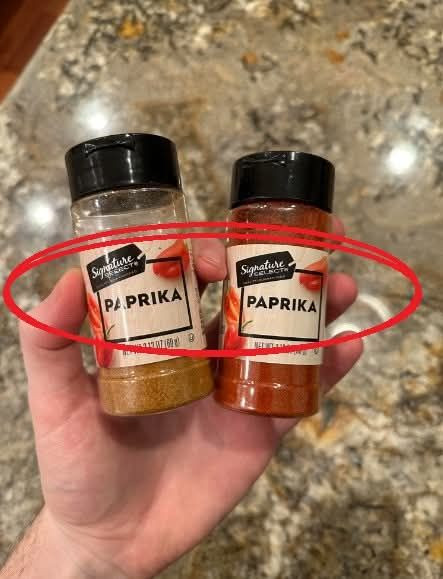
Paprika’s subtle sweetness, smokiness, and mild heat make it a versatile culinary tool. Here are some ways to maximize its impact:
- Layer Flavors – Use paprika in combination with other spices like garlic, cumin, and coriander to build complex flavor profiles.
- Finish with Paprika – Sprinkle on top of finished dishes to preserve its color and aroma.
- Marinades and Rubs – Mix paprika with olive oil, salt, and other spices for meats and vegetables.
- Balance with Acidity – Paprika pairs beautifully with lemon juice or vinegar to enhance brightness in dishes.
- Experiment with Smoked Varieties – Smoked paprika adds depth to roasted vegetables, stews, and sauces.
By experimenting with different types of paprika, you can elevate everyday meals to gourmet levels.
Paprika Around the World
Paprika has become a global culinary phenomenon, influencing dishes across continents:
- Hungary – Paprika is a national treasure, featured prominently in goulash, chicken paprikash, and stews.
- Spain – Known as pimentón, it is essential in chorizo, paella, and roasted vegetables.
- Morocco – Sweet and smoked paprika enhance tagines, couscous, and marinades.
- United States – Commonly used in barbecue rubs, deviled eggs, and potato salads.
- India – Sometimes used as a milder alternative to chili powder, adding color without excessive heat.
Its adaptability and flavor versatility have made paprika a pantry staple in countless culinary traditions.
DIY Paprika at Home
For the adventurous cook, making paprika at home is a rewarding process:
- Select Peppers – Choose sweet, red peppers for mild paprika or hotter varieties for a spicier version.
- Dry the Peppers – Use a dehydrator, oven, or sun-drying method until peppers are completely dry.
- Grind into Powder – Use a spice grinder or mortar and pestle to achieve a fine, even consistency.
- Optional Smoking – For smoked paprika, smoke the peppers over wood chips before grinding.
- Store Properly – Keep in airtight containers in a cool, dark place.
Homemade paprika allows control over heat, flavor, and freshness, producing a vibrant spice unmatched by store-bought options.
Conclusion
Paprika is much more than a simple garnish; it is a multifaceted spice with deep cultural roots, culinary versatility, and notable health benefits. Made from dried and ground peppers, its flavor profile ranges from sweet and mild to smoky and fiery. Understanding the types of paprika, proper usage, and storage techniques can transform ordinary meals into extraordinary dishes.
Whether you are a casual home cook or a culinary enthusiast, mastering paprika is an effortless way to elevate your cooking, add color, and enjoy subtle health benefits. With its rich history and global appeal, paprika will continue to remain an essential ingredient in kitchens worldwide.