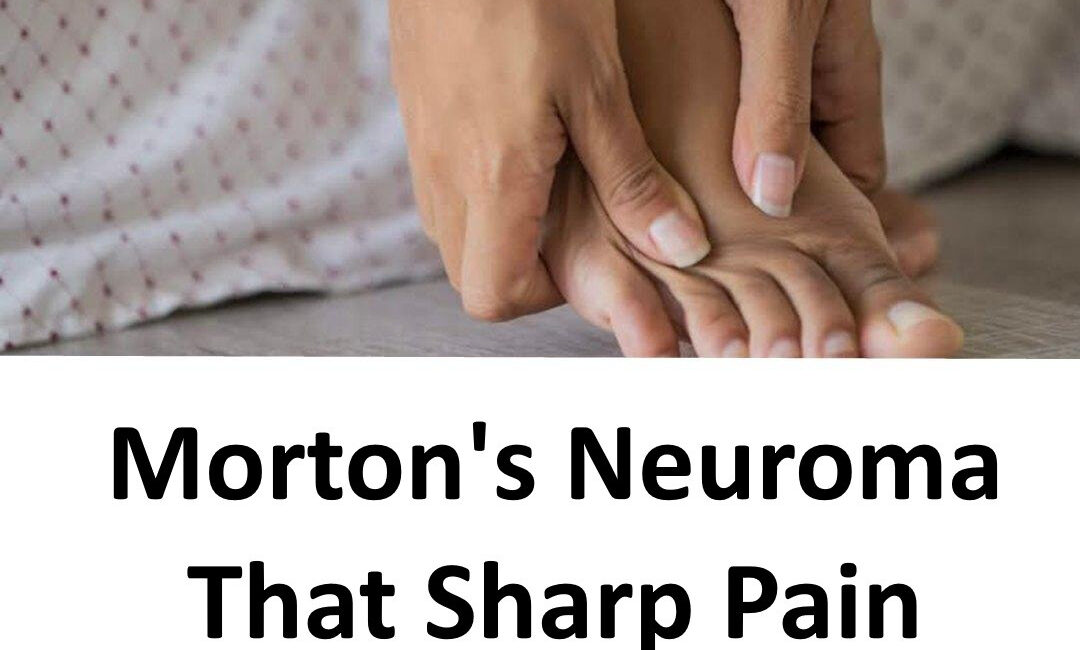
Targeted exercises strengthen the intrinsic foot muscles and improve flexibility, enhancing stability and shock absorption. Therapists may teach gait correction techniques to prevent recurrence.
f. Anti-Inflammatory Medications
Nonsteroidal anti-inflammatory drugs (NSAIDs) can temporarily reduce pain and swelling. However, long-term relief requires addressing the mechanical cause, not just the symptoms.
g. Corticosteroid Injections
In persistent cases, localized steroid injections can decrease inflammation around the metatarsophalangeal joints. These are typically reserved for cases resistant to conservative measures.
h. Surgical Intervention
When structural deformities (like hammertoes or bunions) are the root cause, surgery may be recommended to correct alignment. Surgical options include osteotomy (bone realignment), joint capsule repair, or nerve decompression. Surgery is usually the last resort after conservative treatments fail.
8. Home Care and Lifestyle Strategies
For long-term relief and prevention, consistent self-care is vital.
- Maintain healthy body weight to minimize load on the forefoot.
- Stretch daily to keep calf and plantar fascia flexibility.
- Massage the foot to promote circulation and reduce stiffness.
- Alternate footwear to avoid repetitive stress from the same pressure points.
- Use cushioned insoles in every pair of shoes, even sandals.
Simple daily habits, like rolling a tennis ball under your foot, can improve tissue elasticity and reduce tension buildup.
9. The Role of Posture and Biomechanics
Metatarsalgia is not just a foot issue — it’s often a whole-body alignment problem. Poor posture, weak core muscles, or uneven gait can overload the forefoot. When the pelvis tilts or the knees collapse inward, body weight shifts forward, amplifying pressure on the metatarsal heads.
Biomechanical corrections through postural training, yoga, or Pilates can rebalance weight distribution, relieving chronic strain on the forefoot.
10. How Hormones and Aging Affect the Foot
As women age, hormonal changes influence joint flexibility, collagen production, and bone density. The gradual decline in estrogen after menopause leads to ligament laxity, weaker connective tissue, and a reduction in natural cushioning fat.
This makes the foot more vulnerable to mechanical stress. Additionally, bone demineralization (osteopenia or osteoporosis) increases the risk of microfractures in the metatarsals, compounding forefoot pain.
11. Psychological Impact of Chronic Foot Pain
Chronic metatarsalgia doesn’t just affect the body — it affects mental well-being too. Continuous pain restricts mobility, limits social activities, and can lead to frustration or depression.
Many women report loss of confidence in movement, especially when pain interferes with exercise, work, or family routines. Addressing the emotional side of chronic pain is crucial for complete recovery. Mindfulness, relaxation techniques, and supportive footwear can all contribute to mental comfort as much as physical relief.
12. Prevention: Protecting Your Feet for Life
Preventing metatarsalgia is far easier than treating it. The following preventive measures can save you from years of discomfort:
- Choose function over fashion — prioritize supportive, well-cushioned shoes.
- Replace worn-out shoes regularly; old soles lose shock absorption.
- Stretch before and after activity to maintain tendon flexibility.
- Gradually increase training intensity to avoid repetitive stress injuries.
- Monitor for early warning signs — calluses, numbness, or mild soreness are red flags.
By respecting the natural biomechanics of your feet and maintaining proper body alignment, you can significantly reduce the likelihood of developing metatarsalgia.
13. The Broader Perspective: Foot Health and Quality of Life
Healthy feet are the foundation of daily movement. When pain affects this foundation, the ripple effect extends throughout your entire lifestyle — from your ability to exercise to your posture, balance, and overall confidence.
Metatarsalgia serves as a reminder of how interconnected our musculoskeletal system is. A seemingly small issue in the ball of the foot can alter the way we walk, stand, and even the way our spine aligns.
Investing in foot care, orthotic support, ergonomic footwear, and regular checkups isn’t just about treating pain — it’s about protecting your long-term mobility and independence.
14. When to Seek Professional Help
Don’t ignore persistent forefoot pain. If symptoms last longer than two weeks, worsen despite rest, or are accompanied by swelling, numbness, or visible deformities, seek medical evaluation.
A podiatrist or orthopedic specialist can determine whether the pain stems from metatarsalgia, Morton’s neuroma, or another issue requiring specific treatment. Early intervention dramatically improves outcomes and prevents chronic damage.
15. A Step Toward Healthier Feet
Metatarsalgia might sound like a small problem compared to major health conditions, but for those who suffer from it, the impact is far from small. It limits activity, reduces productivity, and affects emotional well-being. Fortunately, with knowledge, preventive care, and mindful daily habits, it’s entirely manageable.
For women especially, awareness is key. Understanding how footwear, hormones, and biomechanics intersect allows you to make smarter choices for your feet — protecting your health from the ground up.
Because in the end, every step you take matters.