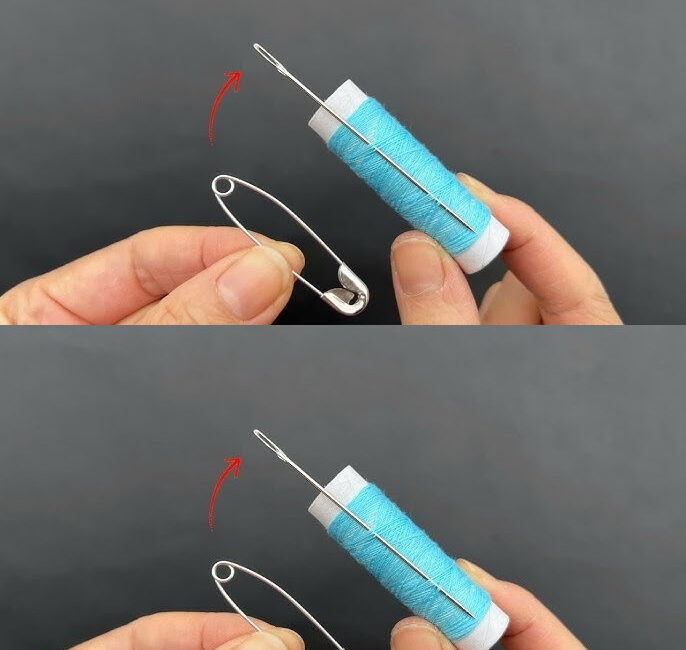
Using a small piece of paper or fabric to guide the thread is a traditional technique that has been passed down through generations.
Step-by-Step Instructions:
- Cut a tiny piece of thin paper or lightweight fabric.
- Fold it in half, creating a small channel for the thread.
- Place the thread inside the fold.
- Pass the folded edge through the needle’s eye.
- Once the fold passes through, the thread will follow smoothly.
Why It Works:
The folded paper or fabric creates a stable, guided channel for the thread, preventing it from bending or splitting. This method is particularly useful for very fine threads or needles with extremely small eyes.
Additional Expert Tips for Effortless Threading
Beyond these household hacks, experienced seamstresses employ additional strategies to streamline the threading process:
1. Use Good Lighting
Bright, direct light reduces eye strain and improves accuracy. Position your sewing area near a window or use a task lamp with an adjustable arm to illuminate the needle and thread.
2. Keep Threads Straight and Taut
Thread that is coiled or tangled is more difficult to pass through a needle’s eye. Pull out a small length of thread and hold it taut between your fingers before attempting to thread.
3. Trim the Thread at an Angle
Cutting the end of the thread at a sharp angle creates a natural point that can slip more easily through the needle’s eye. This is particularly effective for thicker or multi-strand threads.
4. Use a Needle Threader if Necessary
While not a traditional household hack, a needle threader is a small tool designed specifically to help pass thread through the needle’s eye. Even the most experienced seamstresses keep one on hand for ultra-fine or specialty needles.
5. Stabilize Your Hands
Rest your elbows or forearms on a flat surface to minimize tremors. Using both hands—one to hold the needle and one to guide the thread—improves control and accuracy.
Why These Techniques Stand the Test of Time
These methods are not just clever hacks—they are the result of decades of experience and meticulous observation. Seamstresses in the past relied on hand sewing for nearly every aspect of daily life, from mending clothing to creating elaborate embroidery. Over time, they discovered which techniques worked consistently, refining them into reliable, repeatable methods.
Even in the modern age, when sewing machines dominate the craft, these needle-threading tricks remain relevant. Fine hand embroidery, delicate repairs, and detailed quilting all require precision threading, and these traditional methods ensure that the process is smooth and stress-free.
Moreover, using these techniques connects us to a long lineage of craftsmanship. Each method embodies a combination of creativity, practicality, and resourcefulness—a tangible reminder that small, thoughtful adjustments can make a big difference.
Incorporating Needle-Threading Wisdom into Modern Sewing
For contemporary sewists, integrating these traditional techniques into everyday practice can improve efficiency, reduce frustration, and elevate the overall sewing experience. Consider these practical applications:
- Hand Embroidery: Fine silk or metallic threads often fray; moistening the thread or using the paper folding method ensures smooth threading.
- Quilting: Thick threads used for quilting can be guided effortlessly with the toothbrush or blister pack techniques.
- Repair Work: Quick fixes, such as mending buttons or hemming clothes, become faster and more accurate with these threading strategies.
- Children’s Sewing Projects: Introducing young sewists to these techniques helps them develop patience, dexterity, and confidence.
By combining traditional wisdom with modern tools and materials, sewing enthusiasts can enjoy a seamless, enjoyable crafting experience.
Conclusion
Threading a needle is a small yet significant step in the sewing process. While it may seem trivial at first, the act of passing a thread through a tiny eye can make the difference between frustration and a smooth, satisfying start to your project.
The timeless techniques shared by a seasoned seamstress with sixty years of experience demonstrate the ingenuity and resourcefulness of past generations. From the toothbrush method to the blister pack trick, from moistening threads to clever folding strategies, these practical hacks simplify threading, save time, and reduce stress.
In addition to improving your sewing efficiency, these methods offer a deeper connection to the heritage of handcrafting. Each technique carries the wisdom of countless hours spent sewing by hand, preserving the legacy of skilled artisans who valued precision, creativity, and problem-solving.
Next time you sit down with a needle and thread, remember that you are not just performing a task—you are participating in a centuries-old tradition. With these expert tips at your disposal, threading a needle will no longer be a tedious chore but a simple, elegant, and even enjoyable step in your sewing journey.