Heating the Milk
Milk, half the sugar, and vanilla seeds are heated gently. The goal is dissolution and infusion, not aggression. Steam is sufficient. Boiling is unnecessary and risky.
Whisking the Egg Base
Yolks, sugar, and cornstarch must be whisked until pale and smooth. This step distributes starch evenly and coats egg proteins with sugar, increasing tolerance to heat.
This is where many failures begin—lazy whisking leads to uneven thickening.
Tempering the Eggs
Tempering is not optional. It is a controlled introduction of heat that prevents shock.
Hot milk is added slowly while whisking constantly. This raises the temperature gradually and preserves smoothness.
Cooking the Cream
Once combined, the mixture returns to heat. Whisk continuously. The transformation is sudden and dramatic:
- liquid becomes thick
- resistance appears
- bubbles form
Once boiling begins, cook briefly—but fully—to activate starch.
Finishing Touches
Butter and vanilla extract are added off heat. This preserves aroma and prevents greasy separation.
Straining
Straining is not an admission of failure. It is professionalism. Even perfect technique benefits from insurance.
Cooling: The Forgotten Skill
Pastry cream must cool without dehydration.
Plastic wrap pressed directly on the surface prevents:
- skin formation
- moisture loss
- rubbery texture
Cooling uncovered ruins texture quietly, then irreversibly.
Texture Standards: How Pastry Cream Should Feel
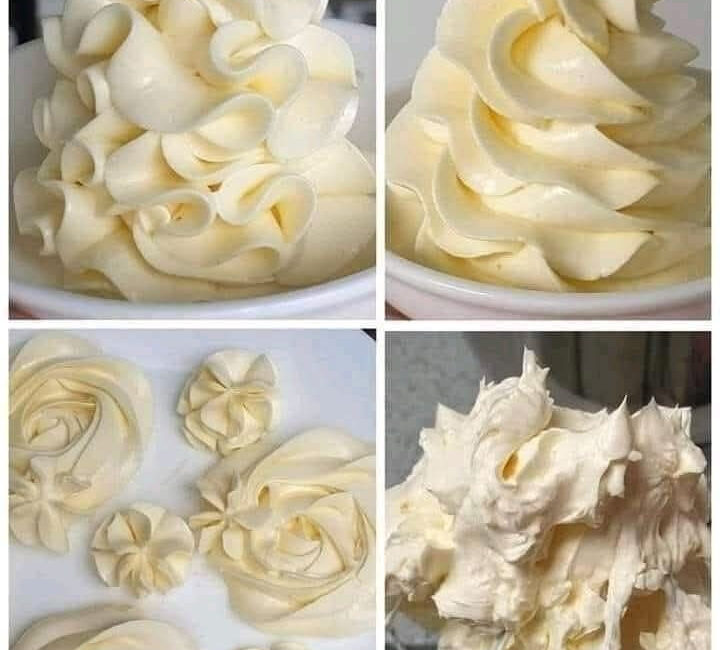
Perfect pastry cream is:
- smooth, not gelatinous
- firm but yielding
- glossy, not dull
- spoonable, not pourable
When piped, it holds shape. When eaten, it melts.
Common Failures and Their True Causes
Graininess is almost always heat abuse.
Lumps are usually poor whisking or rushed tempering.
Eggy flavor comes from overcooking.
Thin texture comes from undercooking or weak starch activation.
Each problem has a cause. None are random.
Variations That Respect the Structure
Chocolate pastry cream deepens bitterness and richness.
Coffee pastry cream introduces warmth and bitterness.
Citrus-infused milk adds brightness.
Praline paste adds nuttiness.
Diplomat cream lightens pastry cream with whipped cream.
Every variation begins with mastery of the base.
Why Pastry Cream Endures
Pastry cream survives trends because it delivers something fundamental: reliability wrapped in pleasure.
It is not flashy. It does not chase novelty. It simply works—every time—when respected.
It teaches patience.
It rewards attention.
It humbles speed.
In a world obsessed with shortcuts, pastry cream insists on process.
A saucepan.
A whisk.
Heat, slowly applied.
That is not just cooking.
That is discipline, made edible.