Walk into a professionally cleaned space and one thing almost always stands out: the floors. They shine in a way that feels clean, calm, and almost luxurious. No sticky residue. No overpowering chemical smell. Just smooth, reflective surfaces that make the whole room feel brighter.
Here’s the surprising truth most cleaning companies won’t advertise loudly: that shine rarely comes from harsh chemicals. In fact, overusing chemical cleaners is one of the fastest ways to dull, damage, and age floors.
The real secret is far more old-school, methodical, and elegant.
Let’s pull back the curtain.
The Big Myth: More Chemicals = More Shine
This idea is everywhere. Strong smell equals strong clean. Foamy product equals power. Brightly colored liquid equals effectiveness.
Professional cleaners know better.
Most commercial floor damage comes from:
- Soap residue buildup
- Overuse of degreasers
- Incorrect dilution
- Leaving moisture behind
These don’t make floors shine. They make them cloudy, slippery, and worn.
Shine doesn’t come from coating floors with products.
It comes from removing what shouldn’t be there.
Secret #1: The Real Power Is in Hot Water
Cleaning companies rely heavily on hot water, not chemicals.
Hot water:
- Breaks down grease naturally
- Lifts dirt from pores in tile and grout
- Softens residue so it can be removed, not spread
Many professionals use nothing more than hot water and technique for daily maintenance, especially on tile, vinyl, and sealed floors.
Chemicals are reserved for specific problems—not everyday cleaning.
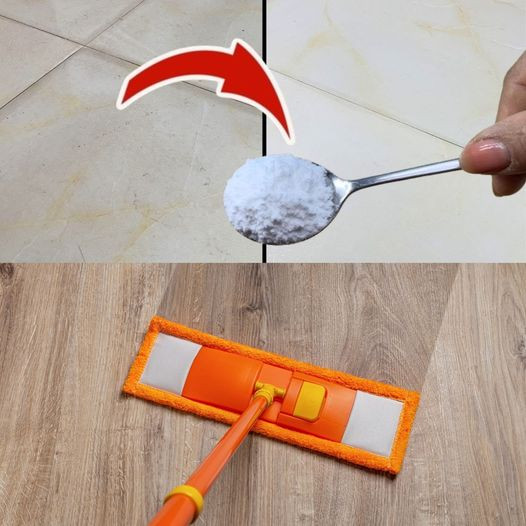
Secret #2: Microfiber Does the Heavy Lifting
This is where the magic really happens.
Microfiber mops and cloths aren’t just trendy—they’re engineered. Each fiber is split into tiny hooks that:
- Trap dirt instead of pushing it around
- Absorb moisture efficiently
- Polish as they clean
Unlike cotton mops, microfiber doesn’t leave lint, streaks, or residue. It cleans mechanically, not chemically.
That’s why professionals:
- Change mop pads frequently
- Wash them without fabric softener
- Use color-coded cloths for different areas
A clean microfiber mop can outperform a bucket full of chemicals.
Secret #3: Vinegar Isn’t the Star — Technique Is
Vinegar gets all the attention, but professionals use it carefully.
Diluted vinegar works well on:
- Tile
- Ceramic
- Laminate (occasionally)
But the key is dilution and timing.
The real trick:
- Light solution
- Quick pass
- Immediate drying
Letting vinegar sit too long or using it too strong can damage finishes. Cleaning companies don’t soak floors—they glide over them.
Secret #4: Floors Are Washed, Then Dried
This step is where most homes go wrong.
Professionals never leave floors wet.
They:
- Mop in sections
- Rinse or switch pads often
- Dry immediately with a clean microfiber cloth or airflow
Drying removes the final layer of residue that causes dullness. It’s not glamorous—but it’s what creates that mirror-like finish.
Shine is often just the absence of leftover moisture.
Secret #5: Less Soap, More Rinsing
Here’s a professional rule that surprises people:
If you can smell the cleaner after drying, you used too much.
Soap attracts dirt. The more you leave behind, the faster floors look dirty again.
Click page 2 for more