The washing machine is one of the hardest-working appliances in any home. It runs silently in the background, handling dirty laundry, stubborn stains, and daily household routines. Yet one small part of it is almost universally neglected: the detergent drawer. Hidden in plain sight, this compartment slowly becomes one of the dirtiest places in the house, quietly collecting residue, moisture, bacteria, and mould.
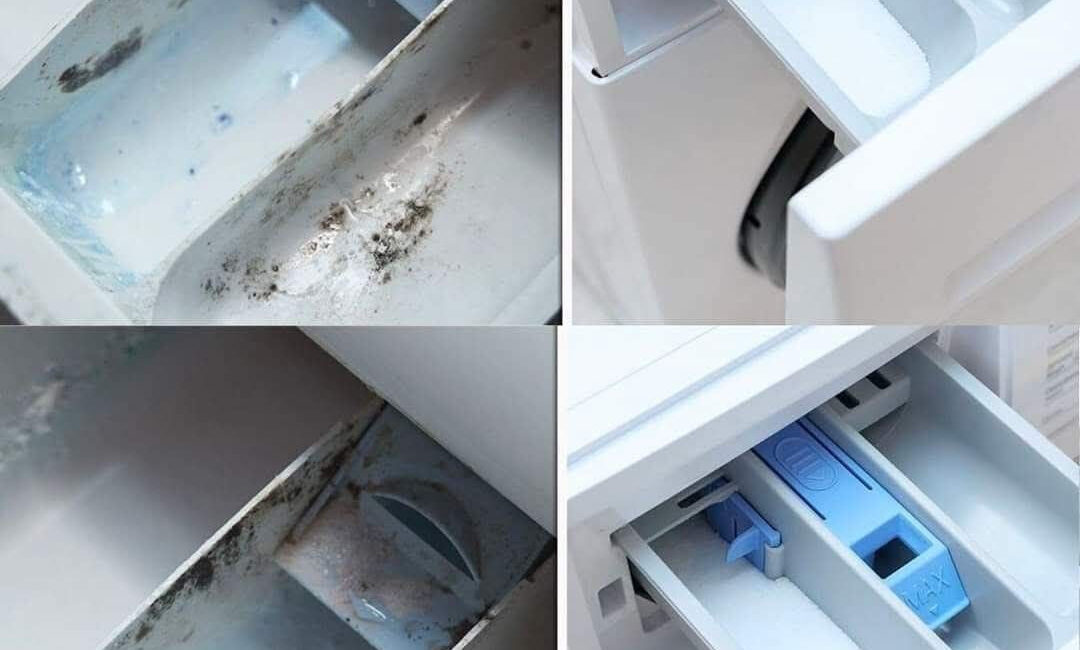
Many people accept this as inevitable. They slide the drawer open, notice black spots, slimy buildup, and a sour smell, then push it back in and move on. Some assume that since detergent and softener pass through it constantly, it must be self-cleaning. Others try wiping it with a cloth, only to find the mould returns within days.
But the truth is this: a dirty washing machine drawer is not just unsightly. It directly affects hygiene, laundry freshness, appliance efficiency, and even indoor air quality. The good news is that restoring it to a like-new condition does not require expensive cleaners, professional servicing, or harsh chemicals. With one ingenious method and a basic understanding of why mould forms there in the first place, the drawer can be transformed completely—often in under an hour.
Seeing the result is genuinely satisfying. Once cleaned properly, the drawer looks brand new, smells fresh, and stops reintroducing bacteria into freshly washed clothes.
Why the Washing Machine Drawer Gets So Dirty So Fast
The detergent drawer is a perfect storm of conditions for mould growth. It combines moisture, warmth, darkness, and organic residue—everything mould thrives on.
Each wash cycle leaves behind traces of liquid detergent, fabric softener, and mineral deposits from water. These substances stick to plastic surfaces and corners, forming a sticky film. Over time, this film traps moisture and airborne spores. The drawer is rarely allowed to dry fully, especially if the machine is used frequently.
Fabric softener is one of the biggest contributors. Its thick, oily consistency coats the drawer and creates a nutrient-rich layer for mould and bacteria. Add warm temperatures and poor airflow, and the result is inevitable: black mould spots, pink slime, and unpleasant odors.
Ignoring this buildup does not make it harmless. Every time you run a wash, water flows through the contaminated drawer and carries microscopic spores directly into your laundry.
Why Quick Wipes and Sprays Don’t Work
Many people attempt to clean the drawer by spraying it with an all-purpose cleaner or wiping the visible areas with a cloth. While this may improve the appearance temporarily, it does not address the root of the problem.
Mould embeds itself into tiny crevices, corners, and seams of the plastic. Surface cleaning does not penetrate these areas. Worse, leaving moisture behind after a quick wipe can actually accelerate regrowth.
True cleaning requires two things:
- Removing the drawer completely
- Breaking down both mould and detergent residue at the same time
This is where the ingenious trick comes in.
The Simple but Powerful Cleaning Method That Actually Works
The most effective way to clean a washing machine drawer is surprisingly low-tech. It relies on heat, soaking, and the right combination of household ingredients to dissolve residue and kill mould at its source.
The key principle is immersion. When the drawer is fully submerged, cleaning agents can reach areas that sprays and wipes never touch.
Once you see how much grime releases into the water, it becomes obvious why surface cleaning fails.
Step One: Remove the Drawer Completely
Most washing machine drawers are designed to be removable, though many people never realize it. Typically, there is a small latch or tab inside the drawer that allows it to slide out fully when pressed.
Removing the drawer is essential. Cleaning it while still attached to the machine limits access and prevents proper soaking.
Once removed, inspect it closely. The extent of buildup is often shocking, especially underneath and along the back channels where water flows.
Step Two: The Soaking Process That Loosens Everything
Fill a basin, sink, or bathtub with very hot water. The heat helps soften hardened detergent and loosen greasy residue. Into this water, add a powerful but safe combination of household ingredients that work together:
- A degreasing agent to break down detergent and softener residue
- A mould-fighting element to kill spores
- Time to allow penetration
When the drawer is fully submerged, the transformation begins almost immediately. Cloudy water, floating debris, and discolored streaks appear as years of buildup release from the plastic.
This soaking phase is crucial. It does most of the work for you, reducing the need for aggressive scrubbing that can damage the drawer.
Step Three: Gentle Scrubbing Where It Matters
Click page 2 to continue