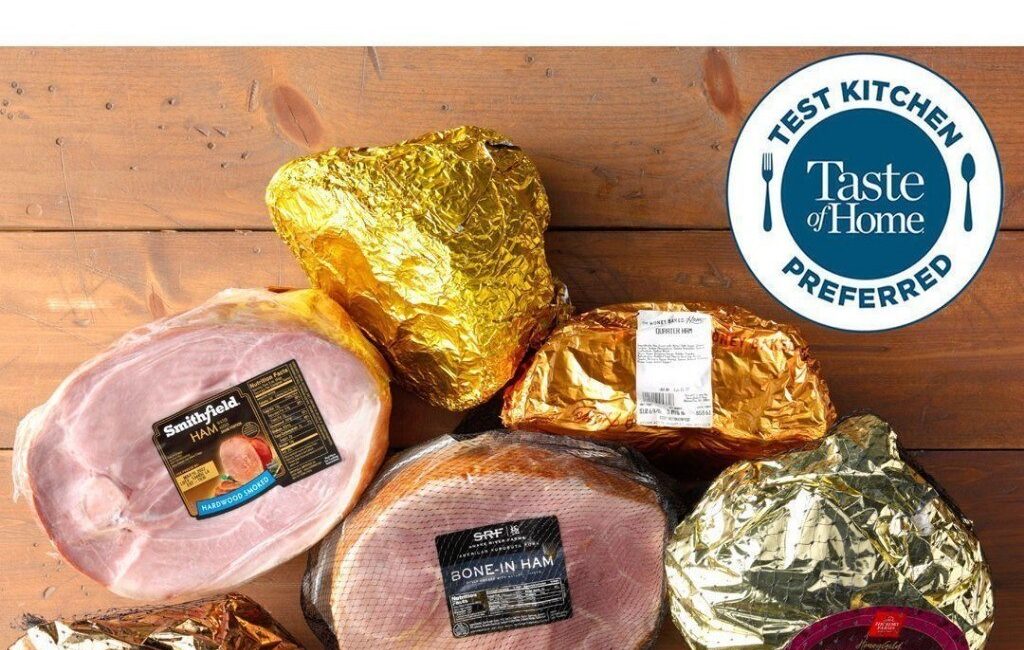
Ham has a unique place on the table. It appears at holiday feasts, family gatherings, weekend brunches, and even everyday sandwiches. It feels festive yet familiar, indulgent yet comforting. But choosing the right ham is surprisingly complicated. Walk into any supermarket and you’re confronted with dozens of options: spiral-cut, bone-in, boneless, smoked, honey-glazed, uncured, heritage, premium, budget-friendly. Every label promises juiciness, flavor, and quality.
So which ham actually delivers?
To cut through marketing claims and brand loyalty, blind taste tests offer one of the clearest answers. When tasters don’t know the brand, the price, or the label claims, judgment becomes brutally honest. Texture, aroma, salt balance, sweetness, and overall enjoyment take center stage.
What emerges from these blind tastings is often surprising—and extremely useful for anyone who wants to serve an impressive ham without overspending or sacrificing quality.
WHY BLIND TASTE TESTS MATTER WHEN CHOOSING HAM
Ham is especially vulnerable to branding bias. Premium labels and holiday packaging can influence expectations long before the first bite. Blind tasting removes that psychological influence entirely.
In blind tests:
- Expensive doesn’t always mean better
- Familiar brands don’t always win
- Ingredient quality becomes obvious
- Overprocessed products are quickly exposed
Taseters focus on what truly matters: flavor depth, moisture, tenderness, and how pleasant the ham is to eat on its own—without glaze, sauce, or side dishes masking flaws.
This approach reveals which hams actually deserve a place at the center of your table.
WHAT TASTERS EVALUATE IN A HAM BLIND TEST
Before discussing results, it’s important to understand how ham is judged. A good blind taste test typically evaluates the following factors:
Aroma
A quality ham should smell savory and inviting, not overly sweet or chemically smoky. Artificial smoke aromas are immediately noticeable and often penalized.
Texture
Ham should be tender and juicy without being mushy. Excessively processed hams often feel rubbery or sponge-like, while dry hams signal overcooking or poor curing.
Salt Balance
Salt is essential in ham, but too much overwhelms the palate. Too little results in flat flavor. Balance is key.
Sweetness
Many hams contain sugar or honey. The best ones integrate sweetness subtly, without turning the meat into dessert.
Meat Quality
Natural muscle structure, visible grain, and real pork flavor distinguish high-quality ham from reconstituted products.
THE TOP HAM STYLES AND HOW THEY PERFORM IN BLIND TASTES
Blind taste tests consistently show that not all ham styles perform equally. Some categories reliably rise to the top, while others struggle to impress.
SPIRAL-CUT, BONE-IN HAMS: CONSISTENT FAVORITES
Spiral-cut, bone-in hams frequently dominate blind taste tests. The bone contributes flavor and moisture, while the spiral cut allows even seasoning and easy serving.
Why tasters love them:
- Juicy texture throughout
- Rich pork flavor
- Balanced salt and sweetness
- Attractive presentation
These hams often require minimal preparation and hold up well even without glaze.
Best for: Holiday dinners, large gatherings, centerpiece meals
BONELESS HAMS: CONVENIENT BUT INCONSISTENT
Boneless hams divide tasters. Some score well, but many fall short due to processing methods.
Lower-quality boneless hams are often:
- Pressed or reformed
- Injected heavily with brine
- Spongy in texture
Higher-quality boneless options can still perform well, especially when minimally processed and made from whole muscle cuts.
Best for: Easy slicing, sandwiches, smaller households
DRY-CURED AND ARTISAN HAMS: FLAVOR POWERHOUSES (BUT POLARIZING)
Dry-cured and artisan hams often score extremely high for flavor depth, but not everyone loves them.
Strengths:
- Intense savory complexity
- Firm, meaty texture
- Minimal additives
Challenges:
- Strong saltiness for some palates
- Less juicy than wet-cured hams
- Higher price point
These hams appeal most to experienced eaters who appreciate bold flavors.
Best for: Charcuterie boards, small portions, food enthusiasts
HONEY-GLAZED AND SWEET HAMS: CROWD-PLEASERS WITH LIMITS
Sweet hams often perform well with casual tasters but score lower among professionals.
Pros:
- Immediate appeal
- Balanced sweetness for many palates
- Great for kids and large groups
Cons:
- Sugar can mask meat quality
- Artificial flavors stand out in blind tests
- Can become cloying
The best sweet hams use real honey or brown sugar sparingly rather than heavy syrups.
Best for: Family gatherings, holiday traditions
“UNCURED” AND NATURAL HAMS: SURPRISING CONTENDERS
Hams labeled as uncured (though still preserved using natural curing agents) often perform well in blind tests when quality is high.
Why they score well:
- Cleaner pork flavor
- Less chemical aftertaste
- More natural texture
However, not all uncured hams are equal. Ingredient transparency matters.
Best for: Health-conscious diners, simple preparations
WHAT CONSISTENTLY FAILS IN BLIND TASTE TESTS
Certain ham traits repeatedly lead to poor scores:
Click page 2 to continue