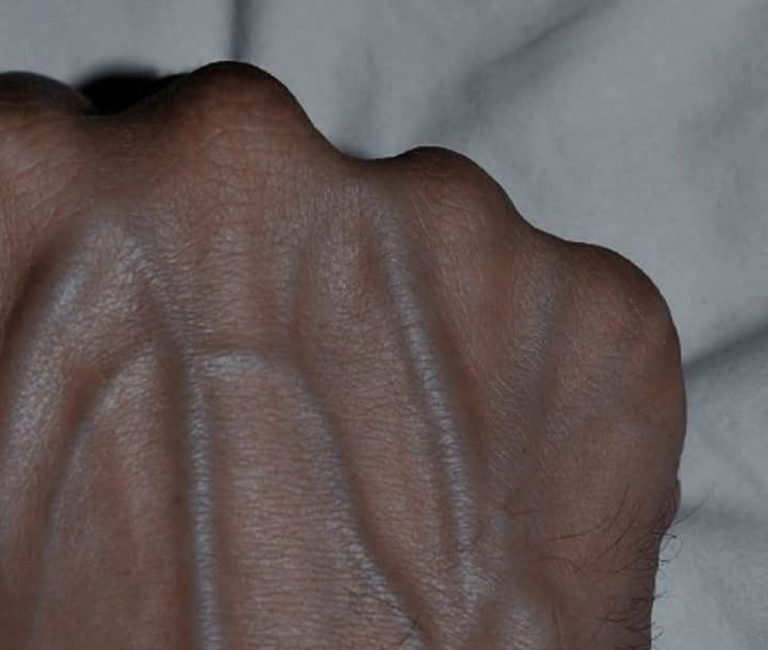
Have you ever looked at your hands, arms, or legs and thought, “Were my veins always this visible?”
For some people, prominent veins are simply genetic. For others, they can reflect body composition, age, or even fitness level. But sometimes, visible veins can signal an underlying health condition that deserves attention.
The human vascular system is remarkably complex. Veins are responsible for returning deoxygenated blood back to the heart. When they become enlarged, twisted, swollen, or unusually noticeable, it can be a clue that circulation is being affected.
Not all visible veins are dangerous. But understanding the possible causes can help you determine when something is harmless — and when it might require medical evaluation.
Let’s explore five health conditions that can make veins more visible, along with the reasoning behind each one.
1. Varicose Veins
One of the most common causes of prominent veins is varicose veins.
Varicose veins occur when the valves inside the veins weaken or fail. Normally, these valves ensure blood flows upward toward the heart. When they malfunction, blood can pool inside the vein.
This pooling causes the vein to:
- Stretch
- Enlarge
- Twist
- Become raised and visible under the skin
Varicose veins most often appear in the legs because gravity increases pressure in lower body veins.
Symptoms may include:
- Aching or heavy legs
- Swelling
- Itching around the vein
- Skin discoloration
In mild cases, they are mainly cosmetic. In more advanced cases, they can lead to discomfort and complications like ulcers or blood clots.
Risk factors include:
- Prolonged standing
- Pregnancy
- Obesity
- Aging
- Family history
2. Chronic Venous Insufficiency (CVI)
Chronic venous insufficiency is a more serious progression of valve dysfunction.
In CVI, blood has persistent difficulty returning from the legs to the heart. This leads to increased pressure inside the veins over time.
Visible signs may include:
- Swollen veins
- Darkened skin around the ankles
- Thickened skin
- Persistent swelling
Unlike simple varicose veins, CVI can cause long-term tissue damage if untreated.
It develops gradually and often goes unnoticed in early stages.
Management may include:
- Compression stockings
- Leg elevation
- Exercise
- Medical procedures in advanced cases
Early recognition makes a significant difference.
3. Deep Vein Thrombosis (DVT)
Deep vein thrombosis is a serious condition involving a blood clot in a deep vein, typically in the leg.
While DVT itself occurs deeper than surface veins, it can sometimes cause superficial veins to become more visible.
This happens because:
When a deep vein is blocked, blood reroutes through smaller surface veins.
These surface veins may:
- Become more pronounced
- Feel firm
- Appear swollen
Other warning signs of DVT include:
- Sudden leg swelling
- Pain or tenderness
- Warmth in one leg
- Redness
DVT is dangerous because a clot can break loose and travel to the lungs, causing a pulmonary embolism.
If visible veins are accompanied by swelling and pain in one limb, medical attention is urgent.
4. Hyperthyroidism
Hyperthyroidism occurs when the thyroid gland produces too much thyroid hormone.
Excess thyroid hormone increases metabolism and circulation. This can cause:
- Increased blood flow
- Thinning of skin
- More noticeable veins
People with hyperthyroidism may also experience:
- Weight loss
- Rapid heartbeat
- Anxiety
- Heat intolerance
- Tremors
Click page 2 to continue