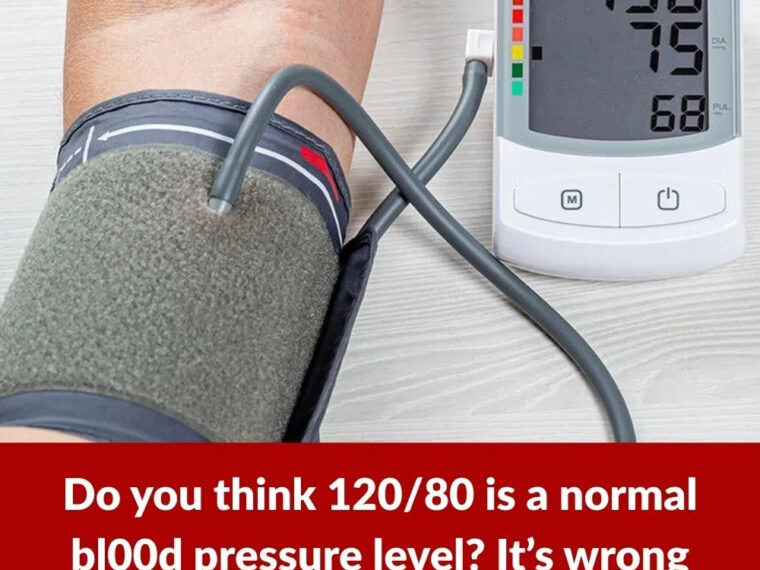
Normal:
Less than 120 / 80
Elevated:
120–129 systolic
Less than 80 diastolic
Stage 1 Hypertension:
130–139 systolic
OR 80–89 diastolic
Stage 2 Hypertension:
140+ systolic
OR 90+ diastolic
Hypertensive Crisis:
180+ systolic
AND/OR 120+ diastolic
Requires immediate medical attention
Why Age Matters but Doesn’t Change Risk
While numbers may shift slightly with age, risk increases progressively with higher readings.
For example:
A 35-year-old with 140 / 90
And a 70-year-old with 140 / 90
Both carry increased cardiovascular risk.
Age modifies vulnerability — but does not neutralize danger.
What Happens If Blood Pressure Is Too Low?
Low blood pressure (hypotension) is generally defined as:
Below 90 / 60 mmHg
It can cause:
- Dizziness
- Fainting
- Fatigue
- Blurred vision
In young healthy individuals, slightly lower readings may be normal.
In older adults, sudden drops can increase fall risk.
Gender Differences in Blood Pressure
Before menopause, women often have lower blood pressure than men.
After menopause:
- Risk increases
- Blood pressure may rise sharply
Hormonal shifts affect vascular flexibility and salt regulation.
Why Monitoring Matters at Every Age
High blood pressure often has no symptoms.
It is known as a “silent condition.”
Damage can occur quietly for years before symptoms appear.
Routine monitoring allows:
- Early intervention
- Medication adjustment
- Lifestyle correction
- Prevention of complications
Long-Term Risks of Uncontrolled Blood Pressure
Regardless of age, chronic hypertension increases risk of:
- Stroke
- Heart attack
- Heart failure
- Kidney disease
- Vision loss
- Dementia
The higher the pressure, the greater the stress on arterial walls.
Over time, this causes:
- Vessel thickening
- Narrowing
- Plaque formation
- Reduced blood flow
How to Maintain Healthy Blood Pressure at Any Age
1. Reduce Sodium Intake
High salt intake raises blood pressure.
Aim for:
Less than 2,300 mg per day
Ideally under 1,500 mg for high-risk individuals
2. Maintain Healthy Weight
Even modest weight loss reduces blood pressure significantly.
3. Exercise Regularly
150 minutes of moderate exercise weekly can lower systolic pressure by 5–8 points.
4. Limit Alcohol
Excess alcohol raises blood pressure.
5. Manage Stress
Chronic stress increases vascular tension.
Relaxation techniques matter.
6. Sleep Quality
Poor sleep raises blood pressure through hormonal disruption.
7. Medication When Necessary
Lifestyle is powerful.
But sometimes medication is necessary.
Modern treatments are safe and effective.
Myths About Age and Blood Pressure
Myth: High blood pressure is normal in old age.
Reality: It is common, but still harmful.
Myth: If you feel fine, your pressure is fine.
Reality: Hypertension is often symptomless.
Myth: Diastolic doesn’t matter after 60.
Reality: Both numbers still matter.
The Bigger Picture: Blood Pressure Is a Lifelong Story
From infancy to advanced age, blood pressure reflects cardiovascular adaptation.
It tells a story about:
- Arterial health
- Lifestyle patterns
- Genetic influences
- Emotional stress
- Metabolic condition
Monitoring across life stages allows us to intervene early and preserve health.
Final Thoughts
There is no single “normal” blood pressure for every age.
But there is a consistent principle:
Lower within healthy ranges is better.
Optimal adult target:
Below 120 / 80 mmHg
Above 130 / 80 consistently:
Requires attention.
Age influences trends — but does not eliminate risk.
Understanding your numbers empowers you.
Because blood pressure is not just a number.
It is a window into your vascular future.
And the earlier you protect it, the longer your heart, brain, and kidneys will serve you well.