But too much oil changes flavor and texture.
Use sparingly.
Part IX: Different Rice Types, Different Risk Levels
Short-Grain Rice
Higher amylopectin.
Stickier.
More foam.
Long-Grain Rice (Basmati)
Higher amylose.
Less sticky.
Less foam (especially if rinsed).
Brown Rice
Outer bran layer reduces immediate starch release.
Less foam but longer cooking.
Understanding starch composition helps predict behavior.
Part X: The Absorption Method — The Most Stable Approach
Instead of boiling vigorously, use the absorption method:
1 cup rice
1.5–2 cups water
Bring to boil.
Reduce immediately to lowest heat.
Cover.
Do not open.
Simmer gently.
Minimal surface agitation = minimal foam formation.
This is the most reliable anti-overflow method.
Part XI: The Pasta Method (For Zero Risk)
Cook rice in excess water like pasta.
Use 4–6 cups water per cup rice.
Boil.
Drain when tender.
Since starch is diluted, foam rarely reaches dangerous concentration.
This method eliminates overflow almost entirely.
Part XII: Induction vs Gas vs Electric Stoves
Modern induction stoves heat intensely and quickly.
That rapid heat spike can trigger sudden foam formation.
Gas provides steady heat.
Electric coils pulse.
If using induction:
Reduce power setting earlier than you think necessary.
Part XIII: Why Stirring Sometimes Makes It Worse
Stirring breaks rice grains.
Broken grains release more starch.
More starch = more foam.
Stir only once early if needed.
Then leave it alone.
Part XIV: Lid Removal Timing Matters
Never trap steam during active rolling boil.
Steam pressure + foam = explosive overflow.
Steam must have exit pathways.
Part XV: The Thermodynamic Perspective
Boiling is a phase transition.
Liquid → gas.
Rice water isn’t pure liquid—it becomes a colloidal starch suspension.
Colloids trap gas bubbles more efficiently.
This changes boiling behavior entirely.
You’re managing a complex fluid, not just water.
Part XVI: Common Mistakes That Guarantee Overflow
- Small pot
- No rinsing
- High heat maintained too long
- Tight lid from start
- Overfilled pot
- Electric stove on max
Each increases probability of eruption.
Part XVII: Cleaning After Disaster
If boil-over already happened:
- Turn off heat.
- Let cool.
- Soak with warm water.
- Use baking soda paste for burnt starch.
- Avoid scraping glass-top violently.
Burned starch becomes adhesive.
Prevention saves time.
Part XVIII: The Engineering Mindset
Cooking rice without overflow is an engineering challenge:
Variables:
- Heat
- Volume
- Starch concentration
- Pressure
- Surface tension
- Container size
Adjusting one variable changes the outcome.
You are managing a thermal system.
Part XIX: The Philosophy of Rice Mastery
Rice is simple.
Yet it demands respect.
When it boils over, it reminds you:
Precision matters.
Timing matters.
Observation matters.
Cooking is applied science.
Part XX: The Ultimate Rule Set
Memorize this:
- Rinse thoroughly.
- Use large pot.
- Bring to boil uncovered.
- Reduce heat immediately.
- Use partial lid.
- Do not stir repeatedly.
- Allow gentle simmer only.
Follow this and boil-over becomes rare.
Part XXI: Why Mastering This Changes Everything
Once you understand rice boiling behavior:
You understand:
- Foam physics
- Pressure management
- Phase transition control
- Surface tension effects
These principles apply to:
- Pasta
- Oatmeal
- Milk
- Beans
- Soups
You become a more controlled cook.
Final Reflection
Rice boiling over is not rebellion.
It is physics obeying its laws.
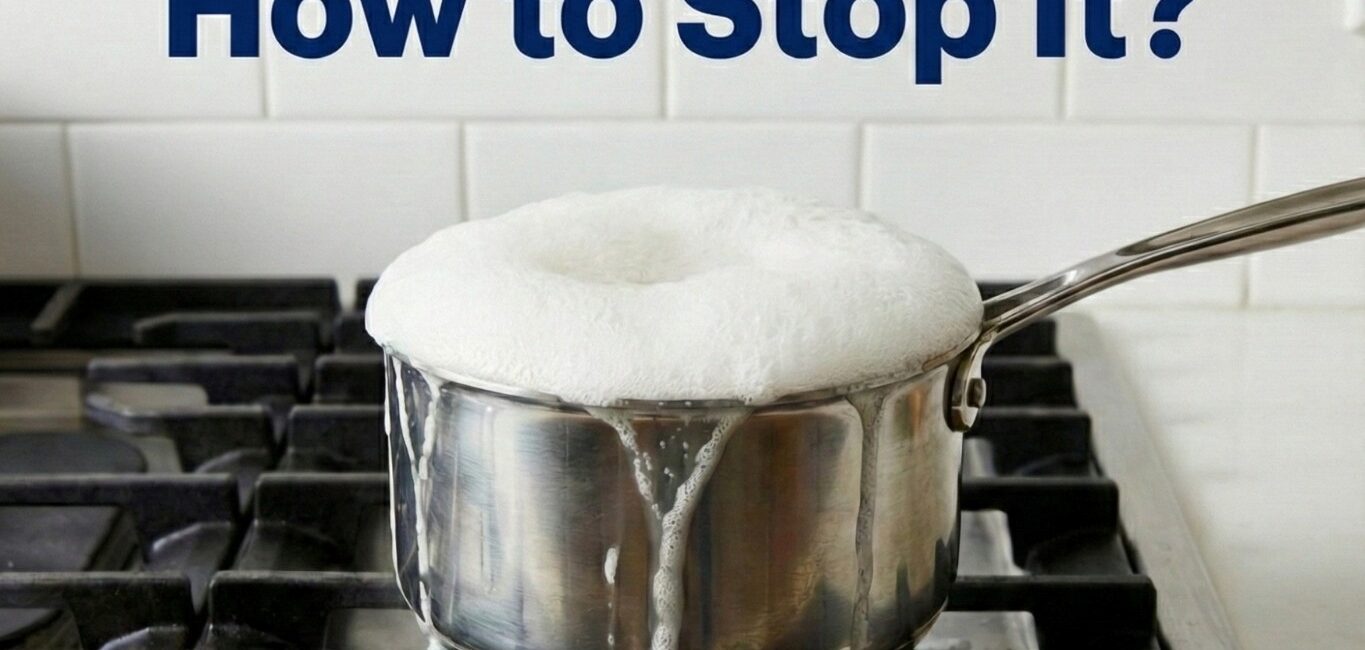
When foam traps steam and space is limited, overflow is inevitable.
But now you know:
Remove excess starch.
Give steam room.
Lower heat early.
The volcano becomes a calm simmer.
Your stovetop stays clean.
Your rice cooks evenly.
Your frustration disappears.
And the next time someone complains about rice boiling over, you won’t just give advice.
You’ll explain the science.
Because once you understand the mechanism, you own the outcome.