You walk into your laundry room at night.
Something moves.
You look down — and there it is.
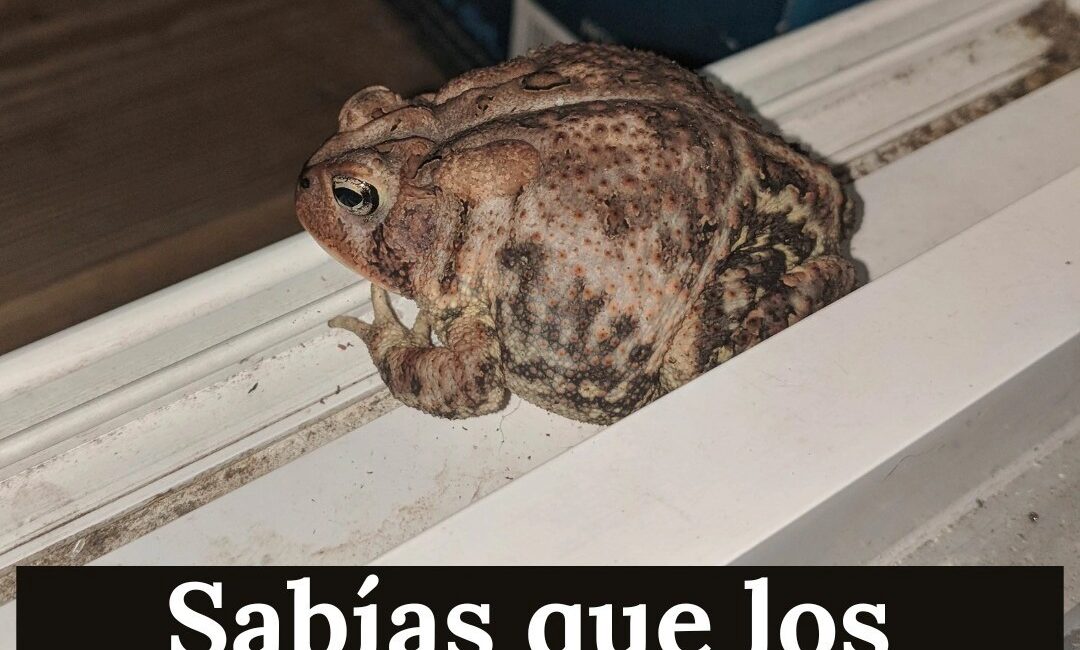
A small, still, wide-eyed toad sitting quietly on your floor.
Not a frog by the pond.
Not in your garden.
Inside your house.
Your brain reacts in layers:
- Surprise
- Confusion
- Mild alarm
- Curiosity
How did it get here?
Why this room?
Is it random… or meaningful?
Let’s explore this fully — scientifically first, then psychologically, culturally, and symbolically.
Because when an animal crosses the boundary between “outside nature” and “inside home,” it triggers something deeper in us.
And understanding it clearly removes fear and replaces it with insight.
🧬 Part I: The Scientific Reality — Why Toads Enter Homes
Before we go mystical, let’s ground ourselves in biology.
A toad inside your house is almost always explained by one of four environmental factors:
- Moisture
- Food
- Weather
- Access points
Toads do not seek houses because they “sense energy.”
They seek conditions that support survival.
Let’s break this down.
🌧 1. Moisture Is Life for a Toad
Toads are amphibians.
That word literally means:
“Double life” — land and water.
Unlike reptiles, toads have semi-permeable skin. They absorb moisture directly through it.
If they dry out, they can die.
So what do they look for?
- Damp soil
- Shaded areas
- Cool surfaces
- Water sources
If your home has:
- A basement
- A garage with condensation
- A bathroom with humidity
- A leaking pipe
- A poorly sealed foundation
It can accidentally mimic the environment of a shaded forest floor.
To a toad, your house may feel like a cave.
Cool. Damp. Safe.
Especially during heat waves or drought.
🪲 2. Food — You May Not See It, But the Toad Does
Toads eat:
- Ants
- Beetles
- Flies
- Moths
- Spiders
- Small roaches
If you have an unnoticed insect presence, even small amounts, a toad can detect movement and scent cues you cannot.
They don’t “decide” to enter your house.
They follow prey.
And prey follows:
- Light
- Food crumbs
- Moisture
- Garbage bins
- Pet food
So the toad follows the insect.
Nature is layered.
🌧 3. Heavy Rain or Breeding Season
After storms, toads migrate.
During breeding season, they move between habitats.
This increases random wandering.
A door left open for minutes is enough.
A small gap under a threshold is enough.
Toads can flatten their bodies surprisingly thin.
They do not need much space.
🚪 4. Accidental Entry Points
Common unnoticed access routes:
- Gaps under garage doors
- Pet doors
- Cracks in foundations
- Open windows with no screens
- Basement vents
- Drainage pipes
Toads don’t need intention.
They need opportunity.
🐸 Why It Feels So Strange When It Happens
Here’s something psychological.
Your house represents:
Safety
Control
Separation from wild nature
When a wild animal appears indoors, your brain interprets it as:
“Boundary crossed.”
This triggers mild alarm.
But biologically?
It’s usually simple.
Toads are quiet, non-aggressive, and accidental guests.
They do not:
- Attack
- Spread disease easily
- Intend harm
They are fragile creatures.
🌍 Part II: Cultural and Symbolic Meaning of Toads
Now that we understand the practical side, let’s explore symbolism.
Humans assign meaning to animals because animals have historically been messengers in myth, religion, and folklore.
Toads, specifically, have a complex symbolic history.
🌱 1. Transformation and Metamorphosis
Toads begin life as tadpoles in water.
They grow limbs.
They lose tails.
They transition to land.
This dramatic transformation made amphibians powerful symbols of:
- Change
- Personal evolution
- Renewal
- Rebirth
If someone interprets a toad symbolically, it may represent:
“You are entering a new stage of life.”
Transformation is rarely comfortable.
Neither is finding a toad in your house.
The symbolism mirrors discomfort before growth.
💰 2. Wealth and Prosperity (Especially in East Asian Symbolism)
In Chinese folklore, the three-legged money toad (Jin Chan) is a symbol of abundance.
Statues of this toad are placed near entrances to attract wealth.
Seeing a toad near your doorway can be interpreted as:
“Prosperity entering the home.”
This interpretation is cultural — not scientific — but culturally powerful.
Symbols shape human psychology.
🌿 3. Earth Energy and Grounding
Toads live close to the ground.
They move slowly.
They blend into soil.
They thrive in quiet environments.
Spiritually, they are often associated with:
- Stability
- Rootedness
- Cleansing
- Detoxification
Because they absorb through their skin, they symbolically “absorb” negativity in some traditions.
🧙 4. Witchcraft and Old Superstitions
Historically in Europe, toads were associated with:
- Alchemy
- Witches
- Potions
- Mystery
Why?
Because toads produce mild toxins from glands on their skin.
Not deadly to humans, but protective.
Click page 2 to continue