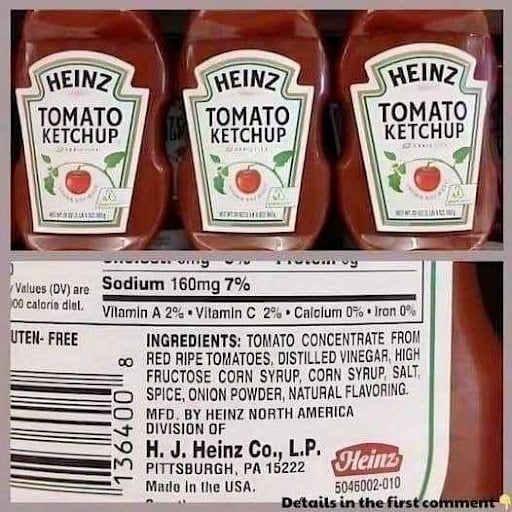
Few foods are as universally recognizable as ketchup. Whether served alongside fries, burgers, grilled meats, or sandwiches, the bright red sauce has become one of the most familiar condiments on the planet. Among the many brands available, Heinz ketchup stands as perhaps the most famous. Its glass bottles, distinctive label, and slogan “57 varieties” have become cultural icons recognized across generations.
For more than a century, Heinz ketchup has occupied a central place on kitchen tables, restaurant counters, and fast-food trays around the world. The product is so widely accepted that many people rarely pause to think about what exactly is inside the bottle, how it is produced, or how it fits into modern dietary habits.
In recent years, however, a growing conversation has emerged around processed foods and their role in health and nutrition. As consumers become more aware of ingredient lists, food processing techniques, and dietary patterns, questions about popular condiments—including ketchup—have started to surface. Some voices in the health and wellness community have gone so far as to say people should avoid certain processed condiments “like the plague,” arguing that hidden sugars, additives, and industrial food production practices deserve closer scrutiny.
Understanding these concerns requires looking beyond sensational headlines. Ketchup is not simply a red sauce squeezed onto food; it is a product shaped by history, industrial innovation, agriculture, marketing, and global dietary trends.
Exploring the story behind ketchup—and the famous brand that popularized it—reveals a fascinating intersection between food culture, manufacturing, and modern nutrition.
The Origins of Ketchup: A Sauce Older Than You Might Think
Most people associate ketchup exclusively with tomatoes, but the condiment’s origins stretch far beyond tomato fields.
The word “ketchup” likely derives from an ancient fermented fish sauce that originated in Southeast Asia centuries ago. Traders from China, Malaysia, and Indonesia prepared savory sauces made from fermented fish, soybeans, mushrooms, and spices. These sauces were prized for their intense umami flavor, which enhanced a wide range of dishes.
When European traders encountered these sauces during maritime trade in the seventeenth century, they attempted to recreate them back home. Because many of the original ingredients were unavailable in Europe, cooks began experimenting with substitutes. Recipes emerged using mushrooms, walnuts, oysters, and anchovies.
These early European ketchups bore little resemblance to the thick red condiment known today. They were often dark, salty liquids used as flavoring agents in cooking.
The transformation of ketchup into a tomato-based sauce occurred gradually during the eighteenth and nineteenth centuries. Tomatoes were once viewed with suspicion in Europe and North America, but by the early nineteenth century they had become widely accepted as food.
Tomato ketchup eventually gained popularity because its acidity, sweetness, and savory depth made it versatile and appealing.
The Rise of Heinz: From Small Business to Global Brand
The name Heinz is nearly synonymous with ketchup. The company’s founder, Henry John Heinz, played a crucial role in shaping the condiment into the form recognized today.
In the late nineteenth century, the food industry faced a serious problem: many commercial sauces were poorly preserved and sometimes adulterated with unsafe ingredients. Some ketchup producers used preservatives such as benzoates, artificial coloring, or even coal tar dyes to extend shelf life or enhance color.
Henry Heinz took a different approach. He promoted transparency and cleanliness in food production at a time when many manufacturers operated in secrecy. Heinz emphasized quality ingredients, careful processing, and sanitary factories.
One of his most famous marketing strategies involved glass bottles. At a time when many food products were sold in opaque containers, Heinz insisted on clear glass so consumers could see the product inside. This transparency helped build trust and distinguish the brand from competitors.
By the early twentieth century, Heinz ketchup had become a household staple in many parts of the world.
What Is Inside a Typical Bottle of Ketchup?
Despite its simple appearance, ketchup contains several ingredients carefully balanced to produce its distinctive flavor.
The primary ingredient is usually tomato concentrate, derived from ripe tomatoes that have been cooked and reduced into a thick paste.
Other common ingredients include:
- Sugar or high-fructose corn syrup
- Vinegar
- Salt
- Onion powder
- Garlic powder
- Natural flavorings or spices
These ingredients work together to create ketchup’s signature taste, which combines sweetness, acidity, saltiness, and subtle savory notes.
The balance of these flavors is not accidental. Food scientists often refer to ketchup as a product engineered for “flavor harmony,” meaning it stimulates multiple taste receptors simultaneously.
This complex flavor profile is one reason ketchup pairs so well with fried and savory foods.
The Role of Sugar in Ketchup
One of the most frequently discussed aspects of ketchup’s ingredient list is sugar.
Sugar contributes to the sauce’s sweetness, which balances the acidity of tomatoes and vinegar. Without sugar, ketchup would taste significantly more sour and less appealing to many people.
However, sugar content has become a concern for those who monitor their dietary intake. A typical tablespoon of ketchup contains several grams of sugar. While this amount may seem small, the cumulative effect can become significant when ketchup is used frequently or in large quantities.
In modern diets where sugar already appears in many foods—such as beverages, desserts, and processed snacks—condiments can quietly contribute additional intake.
This does not necessarily make ketchup dangerous, but it highlights how seemingly small ingredients can add up in everyday eating habits.
Processed Foods and Modern Dietary Patterns
Click page 2 to continue