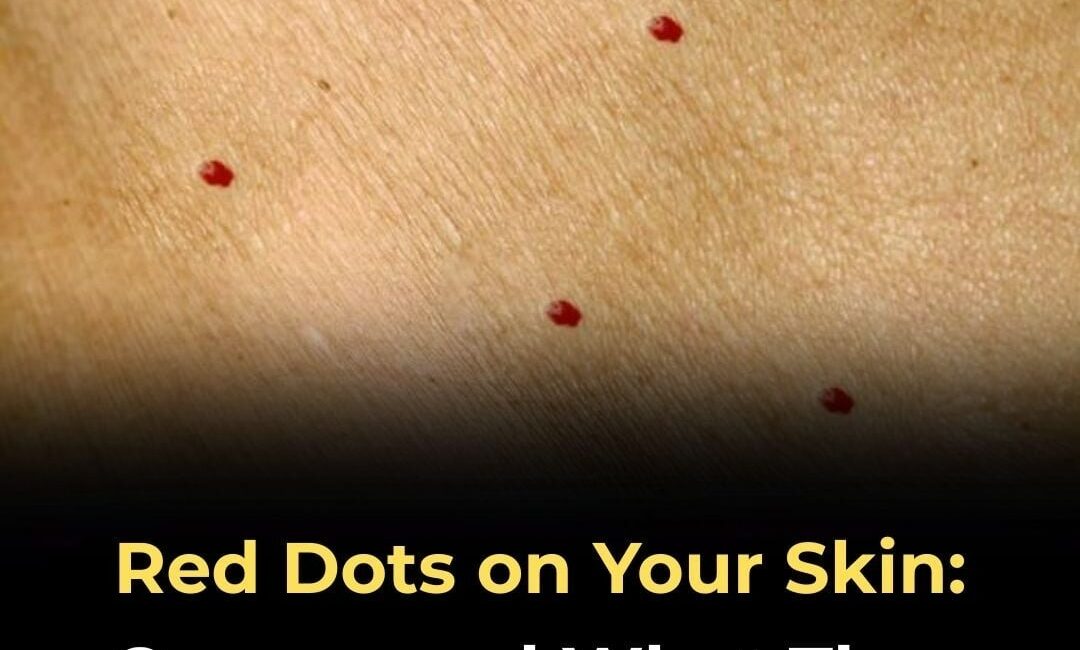
Certain bacterial, viral, or fungal infections can also produce red spots on the skin.
These infections may begin as small red marks and gradually develop into larger rashes or lesions.
Examples include viral illnesses that produce distinctive skin rashes as part of the body’s immune response.
When infections cause skin symptoms, they are often accompanied by additional signs such as fever, fatigue, or swelling.
Because infections can progress if untreated, persistent or spreading red spots should be evaluated by a healthcare professional.
Insect Bites and Red Skin Marks
Another common cause of red dots on the skin is insect bites. Mosquitoes, fleas, bedbugs, and other insects feed by piercing the skin and drawing blood.
During this process, insects inject saliva into the skin to prevent blood clotting. The immune system reacts to these foreign proteins, creating localized inflammation.
This reaction results in red bumps or dots that may itch intensely.
Insect bites usually appear on exposed areas of skin and may occur in clusters if multiple bites happen close together.
Although most bites are harmless, excessive scratching can damage the skin and increase the risk of infection.
Rosacea and Chronic Redness
Rosacea is a chronic skin condition that often causes persistent redness on the face. It can also produce small red bumps that resemble acne.
This condition occurs when blood vessels in the skin become overly reactive, expanding easily in response to triggers such as heat, alcohol, spicy foods, or emotional stress.
People with rosacea may notice red dots appearing on areas such as:
- The cheeks
- The nose
- The forehead
- The chin
While rosacea is not dangerous, it can affect skin appearance and sensitivity. Treatments are available to reduce symptoms and control flare-ups.
When Red Dots Might Signal a More Serious Issue
Although most red spots on the skin are harmless, certain patterns may indicate underlying health concerns.
For example, large numbers of petechiae appearing suddenly could suggest problems related to blood clotting or platelet levels.
Similarly, red spots accompanied by high fever, severe fatigue, or unexplained bruising may signal conditions affecting the immune or circulatory system.
Skin changes should be evaluated when they occur alongside other unusual symptoms.
Doctors often examine the appearance, location, and texture of skin marks to determine their cause.
The Skin as a Window Into Internal Health
The skin is often described as the body’s largest organ, and it plays an important role in signaling internal changes.
Many systemic illnesses produce visible skin symptoms. For example, infections, autoimmune disorders, and metabolic conditions may all cause skin reactions.
Because the skin is easily visible, it often provides the earliest warning signs of certain health problems.
Learning to observe changes in the skin helps individuals become more aware of their overall health.
Why People Become Concerned About Red Skin Spots
Red dots on the skin can cause anxiety because they appear suddenly and may resemble symptoms seen in medical conditions.
However, the vast majority of these marks are harmless.
Human skin constantly responds to environmental factors, immune reactions, and minor injuries. As a result, temporary spots and discolorations are common.
Understanding the different types of red dots helps reduce unnecessary worry while still encouraging awareness of potential health signals.
Caring for Healthy Skin
Maintaining healthy skin involves supporting the body’s natural protective systems.
Key factors include:
- Proper hydration
- Balanced nutrition
- Protection from excessive sun exposure
- Gentle skincare routines
- Avoiding harsh chemicals
Healthy skin is more resilient and better able to recover from minor irritations that cause temporary red spots.
When to Seek Medical Advice
While many red spots are harmless, medical advice should be considered if the marks:
- Spread rapidly
- Appear with fever or illness
- Cause severe pain or swelling
- Do not fade over time
- Are accompanied by unusual bruising
Healthcare professionals can examine the skin and determine whether further evaluation is necessary.
Conclusion: Understanding the Meaning Behind Red Skin Dots
Red dots on the skin are common and usually harmless. In many cases, they result from normal biological processes such as small blood vessel changes, minor irritation, or immune responses.
Conditions like cherry angiomas, insect bites, heat rash, and mild allergic reactions account for many of these marks.
At the same time, the skin serves as an important messenger for the body. Changes in color, texture, or pattern can provide clues about what is happening internally.
Learning to observe the skin with curiosity rather than fear allows people to better understand their health. Most red spots are simply part of the body’s natural responses, but awareness ensures that unusual patterns receive attention when necessary.
Ultimately, the skin tells a story about the body’s inner workings. The appearance of red dots may seem mysterious at first, but with knowledge and observation, these tiny marks become meaningful signals from one of the body’s most remarkable organs.