Human health often sends subtle warning signals long before a serious medical event occurs. The body is remarkably skilled at signaling that something is wrong, but those signals are sometimes brief, confusing, or easy to dismiss. Among the most important warnings—especially in older adults—are the symptoms of a mini stroke, medically known as a Transient Ischemic Attack (TIA).
A mini stroke is often described as a temporary interruption of blood flow to the brain. Unlike a major stroke, the blockage usually resolves on its own within a short time, and the symptoms disappear within minutes or hours. Because the symptoms fade quickly, many people mistakenly assume the episode was harmless.
However, this assumption can be dangerously misleading.
Medical research has shown that a transient ischemic attack is often a critical warning sign that a major stroke may occur in the near future. In fact, many individuals who experience a full stroke report having had a mini stroke days or weeks beforehand.
For seniors, recognizing the early signs of a mini stroke can be life-saving. The aging brain becomes more vulnerable to interruptions in blood supply, and the consequences of delayed treatment can be severe.
Understanding the symptoms, why they occur, and how they affect the brain is essential for recognizing when immediate medical attention is needed.
In this article, we will explore the five most common symptoms of a mini stroke in seniors, examine how transient ischemic attacks affect the brain, and explain why rapid recognition can dramatically improve outcomes.
What Is a Mini Stroke?
A mini stroke, or transient ischemic attack, occurs when blood flow to a part of the brain is temporarily blocked.
The brain requires a continuous supply of oxygen and nutrients delivered through blood vessels. When this supply is interrupted—even briefly—brain cells begin to malfunction.
In a transient ischemic attack, the blockage usually clears before permanent damage occurs. Blood flow returns, and symptoms disappear.
Because the interruption is temporary, many people recover completely within minutes or hours.
However, the event indicates that something within the circulatory system is unstable.
Common causes include:
- Blood clots traveling through arteries
- Narrowed blood vessels due to plaque buildup
- Irregular heart rhythms that allow clots to form
- Sudden drops in blood flow to the brain
Although the brain may recover from a mini stroke, the underlying cause often remains.
Without treatment, the risk of a full stroke remains high.
Why Seniors Are at Greater Risk
As people age, several changes occur in the cardiovascular system that increase the likelihood of blood flow problems.
Blood vessels gradually lose elasticity, making them less flexible. This can lead to increased blood pressure and strain on arterial walls.
Over time, fatty deposits known as plaque may accumulate inside arteries. This condition, called atherosclerosis, narrows the passageways through which blood flows.
When arteries become narrowed or partially blocked, even small clots can disrupt circulation.
Other age-related factors also increase stroke risk, including:
- High blood pressure
- Diabetes
- High cholesterol
- Heart disease
- Irregular heart rhythms such as atrial fibrillation
Because these conditions become more common with age, seniors face a significantly higher risk of experiencing transient ischemic attacks.
Recognizing symptoms quickly becomes especially important.
Why Mini Stroke Symptoms Are Often Ignored
One of the most dangerous aspects of transient ischemic attacks is that symptoms often disappear quickly.
Someone may experience sudden dizziness, confusion, or weakness, but within minutes the symptoms fade.
This leads many individuals to assume nothing serious happened.
However, doctors view mini strokes as medical emergencies.
The temporary symptoms indicate that a portion of the brain briefly lost its blood supply.
Even if the brain recovers, the conditions that caused the interruption may still exist.
Ignoring these warning signs can allow the same process to occur again—this time causing permanent brain damage.
Symptom 1: Sudden Weakness or Numbness on One Side of the Body
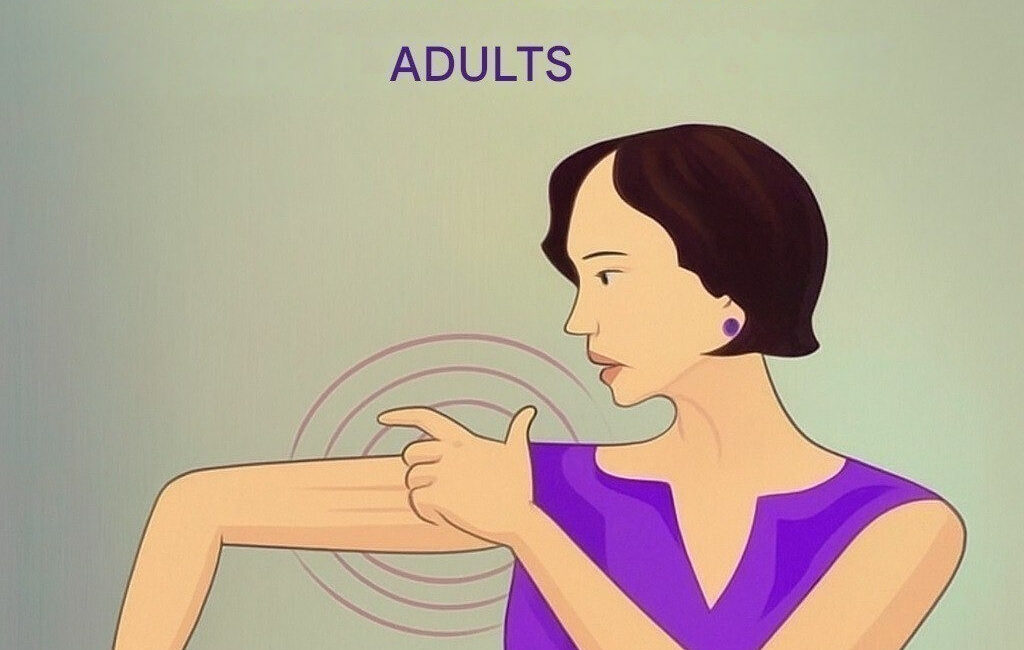
One of the most recognizable signs of a mini stroke is sudden weakness or numbness affecting one side of the body.
This symptom often appears in areas such as:
- The face
- The arm
- The leg
Because the brain controls movement and sensation through specific regions, a blockage affecting one side of the brain may produce symptoms on the opposite side of the body.
For example, if blood flow to the right side of the brain is interrupted, weakness may occur on the left side of the body.
People experiencing this symptom may notice that:
- One arm feels heavy or difficult to lift
- One side of the face droops slightly
- A leg feels unstable when walking
Even mild weakness should not be ignored.
If the symptom appears suddenly, it may indicate a temporary disruption in brain function.
Symptom 2: Difficulty Speaking or Understanding Language
Another common symptom of a mini stroke involves sudden problems with speech.
The brain contains specialized regions responsible for producing and understanding language.
If blood flow to these areas is disrupted, communication abilities may be affected.
A person experiencing this symptom might:
- Struggle to find the right words
- Speak in slurred or unclear sentences
- Have difficulty understanding others
- Use incorrect words without realizing it
Sometimes the person knows exactly what they want to say but cannot express it clearly.
This condition is known as aphasia.
Speech disturbances during a mini stroke often resolve once blood flow returns. However, they remain one of the most important warning signs of potential brain injury.
Symptom 3: Sudden Vision Problems
Vision changes can also signal a transient ischemic attack.
The brain processes visual information using specialized regions located in the back of the head.
If blood flow to these areas is temporarily blocked, visual disturbances may occur.
These disturbances may include:
- Blurred vision
- Double vision
- Sudden loss of vision in one eye
- Difficulty focusing
Some individuals describe the sensation as a dark curtain briefly passing across their field of vision.
Others experience flashing lights or partial blindness.
Because vision problems can have many causes, people sometimes dismiss them as eye strain or fatigue.
However, sudden unexplained vision changes should always be taken seriously.
Symptom 4: Loss of Balance or Coordination
Click page 2 to continue