Introduction: The Desire for a Brighter Smile and the Rise of Natural Solutions
A bright, white smile is more than just a beauty standard—it is deeply connected to confidence, self-expression, and how we present ourselves to the world. Whether in conversations, at work, or in social situations, your smile plays a powerful role in how you feel internally and how others perceive you externally.
Yet, achieving that bright smile is not always simple. Professional teeth whitening treatments can be expensive, sometimes uncomfortable, and not accessible to everyone. This reality has led many people to explore natural, at-home solutions that promise convenience, affordability, and safety.
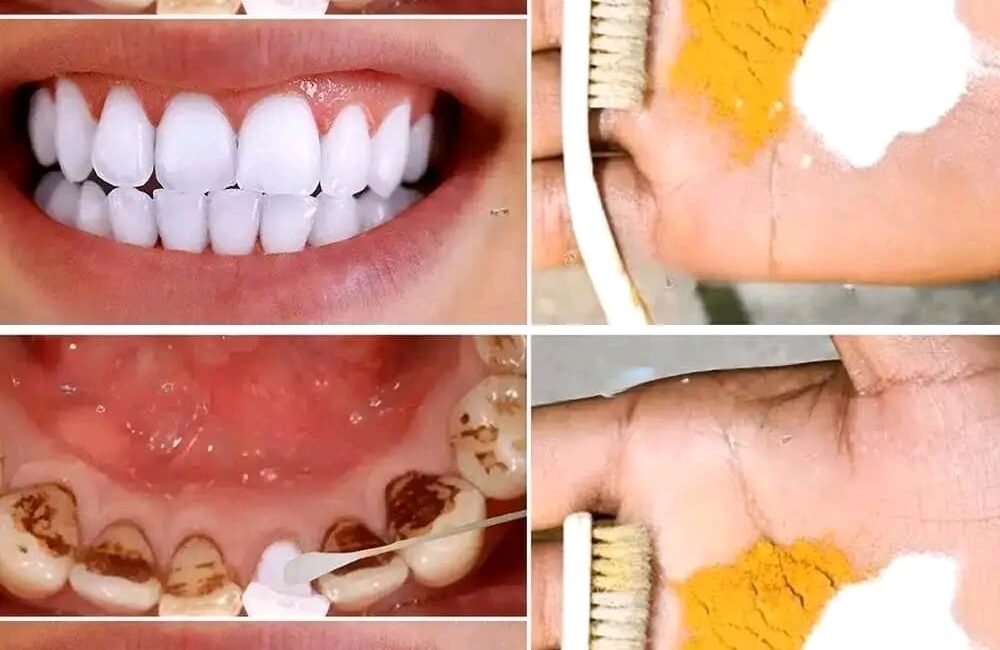
Among these solutions, one method has gained particular attention: a simple mixture of turmeric and baking soda. It may sound surprising at first—especially considering turmeric’s strong yellow color—but many people swear by its ability to improve oral health and gradually brighten teeth.
However, before adopting any method, especially one that involves your teeth and enamel, it is essential to understand not only how it works but also its limitations, risks, and best practices. This is where most people go wrong—they follow trends without understanding the science behind them.
This article will take you deeply into the world of natural teeth whitening. You will learn:
- What teeth whitening really means
- Why teeth become stained over time
- The science behind turmeric and baking soda
- Whether the “2-minute whitening” claim is realistic
- How to use this method safely and effectively
- How to build a sustainable routine for long-term results
More importantly, you will learn how to make smart decisions for your oral health—especially important if you tend to look for quick solutions but also want long-term stability and control.
Understanding Teeth Whitening: What Does It Actually Mean?
Before we talk about remedies, we need to clarify a very important concept.
Whitening vs. Cleaning vs. Bleaching
Most people use the word “whitening” loosely, but scientifically, there are three different processes:
- Cleaning: Removing plaque, food debris, and surface stains
- Whitening: Lightening the color of teeth slightly by removing stains
- Bleaching: Changing the internal color of teeth using chemicals (like hydrogen peroxide)
👉 Important truth:
Natural methods like turmeric and baking soda do not bleach teeth. They mainly help with cleaning and mild whitening.
This is why expectations must be realistic.
Why Teeth Become Yellow or Stained Over Time
To understand how whitening works, you must first understand why teeth lose their brightness.
1. External Stains (Surface-Level)
These are caused by:
- Coffee
- Tea
- Soda
- Smoking
- Dark sauces
These stains sit on the outer layer of the tooth (enamel).
👉 Good news: These are easier to remove.
2. Internal Discoloration (Deeper Stains)
These come from:
- Aging
- Genetics
- Medication
- Enamel thinning
👉 These are harder to change without professional treatment.
3. Enamel Wear (Critical Concept)
Your enamel is the outer protective layer of your teeth.
👉 When enamel becomes thinner:
- Teeth appear more yellow
- Sensitivity increases
⚠️ This is extremely important:
Overusing abrasive whitening methods can damage enamel and make teeth look worse over time.
Why People Choose Home Teeth Whitening Methods
Natural whitening methods have become popular for several reasons:
1. Accessibility
You don’t need appointments or expensive treatments.
2. Cost-Effectiveness
Most ingredients are already in your kitchen.
3. Control
You can adjust frequency and intensity based on your comfort.
4. Preference for Natural Solutions
Many people prefer avoiding chemical bleaching agents.
However, “natural” does not automatically mean “safe in all cases.” Understanding how each ingredient interacts with your teeth is essential.
Turmeric: The Surprising Ingredient for Oral Health
At first glance, turmeric seems like the last thing you would use for whitening teeth. Its bright yellow color might even make you think it would stain your teeth instead.
But the reality is more complex.
1. What Is Turmeric Made Of?
Turmeric contains an active compound called curcumin, which has:
- Anti-inflammatory properties
- Antibacterial effects
- Antioxidant activity
2. How Turmeric Helps Oral Health
Turmeric does not “whiten” in the traditional sense. Instead, it supports oral health in ways that indirectly improve the appearance of your teeth.
a. Reduces Bacteria
It helps control harmful bacteria in the mouth, which contribute to plaque and discoloration.
b. Supports Gum Health
Healthy gums make teeth appear cleaner and brighter.
c. Reduces Inflammation
This is particularly useful if you experience gum sensitivity or irritation.
3. Why Turmeric Doesn’t Stain Teeth Permanently
Although turmeric stains surfaces easily (like fabric), it does not bind strongly to enamel when used properly and rinsed.
👉 This is because:
- Enamel is smooth and non-porous
- Stains from turmeric are temporary and superficial
Baking Soda: The Real Whitening Agent
Baking soda (sodium bicarbonate) is the key ingredient responsible for visible whitening effects.
1. Mild Abrasiveness (Key Concept)
Baking soda works by:
- Physically scrubbing away surface stains
- Polishing the enamel
👉 Think of it like a gentle polishing tool.
2. pH Balancing Effect
Baking soda is alkaline, which means it:
- Neutralizes acids in the mouth
- Reduces bacterial growth
This contributes to a cleaner oral environment.
3. Why It Works (But Needs Caution)
While effective, baking soda must be used carefully.
⚠️ Overuse can:
- Wear down enamel
- Increase sensitivity
- Make teeth more prone to staining later
The Turmeric and Baking Soda Combination: How It Works Together
Click page 2 to continue