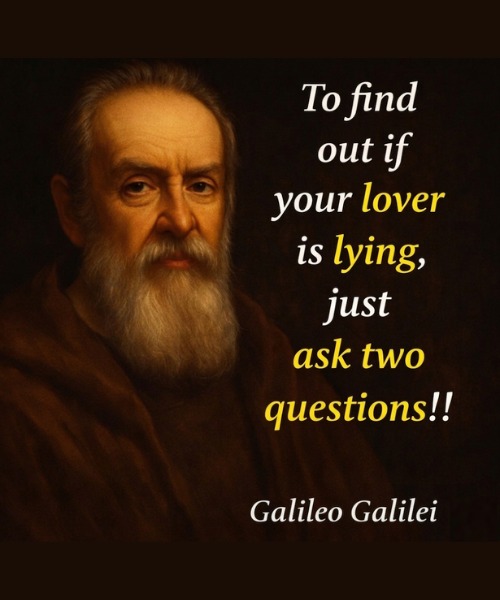
Introduction: The Promise of a Simple Trick
“Just ask two questions.”
It sounds almost magical. A shortcut. A clever trick that can cut through confusion and reveal the truth instantly—especially in something as emotional and important as a romantic relationship.
If your lover might be lying, wouldn’t it be amazing if you could simply ask two well-crafted questions and know for sure?
This idea spreads quickly because it gives a sense of control. It tells you that instead of feeling anxious, guessing, or overthinking, you can test reality.
But here’s the truth:
👉 These two questions are not magic.
👉 They are a tool based on psychology.
👉 And their real power comes from how you use them—not just what you ask.
This article will go far beyond the “two questions” idea. You will learn:
- Why this method sometimes works
- What is happening in the brain during lying vs truth-telling
- How to apply it without damaging your relationship
- What signs actually matter (and which are myths)
- How your own anxiety and thinking patterns affect what you see
And most importantly, you will learn something deeper:
👉 Detecting lies is not about catching someone.
👉 It’s about understanding behavior, patterns, and communication.
The Two Questions Explained: What They Really Do
Let’s start with the core idea.
The First Question: The Story
Instead of asking:
- “Were you there?”
You ask:
- “Can you walk me through exactly what you did, step by step?”
Why This Works
A Concept to Learn: Memory vs Construction
- Truth comes from memory
- Lies must be constructed
When someone tells the truth:
- They recall experiences
- They may hesitate naturally
- They include small, imperfect details
When someone lies:
- They build a story
- They try to sound convincing
- They may avoid specific details
What You Should Look For
Not just what they say—but:
- Flow of explanation
- Level of detail
- Natural pauses vs forced structure
The Second Question: The Consistency Test
After some time (important), you ask again—but differently:
- “What time did you leave?”
- “Who were you with just before that?”
Why This Works
A Concept to Learn: Cognitive Load
Cognitive load = how much mental effort the brain is using.
- Truth = low effort
- Lies = high effort
A liar must:
- Remember what they said
- Stay consistent
- Monitor your reaction
- Adjust answers
That’s a lot.
What Happens Over Time
When you revisit the story:
- Truth → same core details
- Lie → small inconsistencies
These inconsistencies are often:
- Timing changes
- Missing details
- Reordered events
Why This Method Feels So Powerful
Because it taps into something real:
👉 The brain struggles to maintain false information under pressure.
But here’s the important part:
👉 This is not a guaranteed lie detector.
The Biggest Mistake People Make
They think:
“If there is inconsistency = lie”
This is NOT always true.
A Concept to Learn: Noise vs Signal
- Signal = real sign of deception
- Noise = normal human variation
People can be inconsistent because:
- They are stressed
- They are tired
- They are emotional
- They misunderstood the question
Emotional Reactions: What You Think vs What Is Real
Many people believe:
- Avoiding eye contact = lying
- Nervousness = lying
- Hesitation = lying
This is often wrong.
A Concept to Learn: Anxiety ≠ Deception
You, for example, told me:
- You feel anxious
- You shake sometimes
- Your brain freezes
Now imagine someone judging you.
They might think:
👉 “She’s lying.”
But you’re not.
Important Insight
Click page 2 to continue