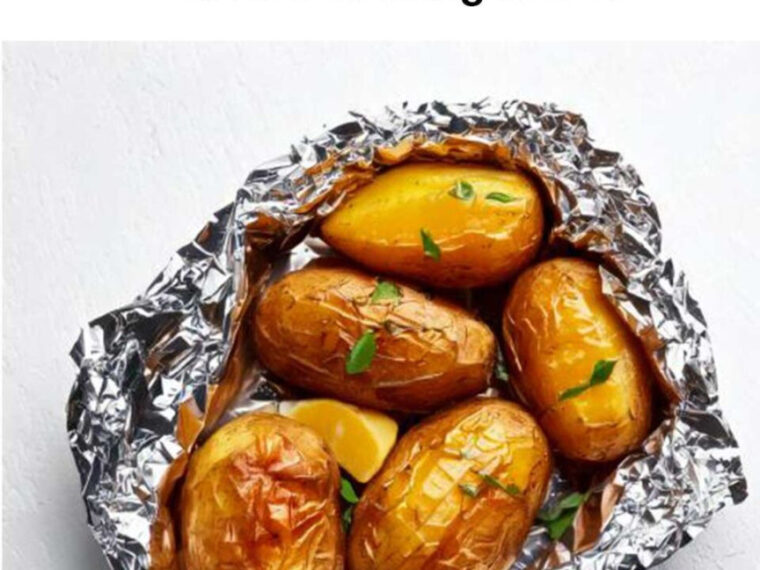
Cooking with aluminum foil has become a staple in kitchens around the world. It’s convenient, versatile, and helps with cleanup. Whether you’re wrapping vegetables for roasting, lining baking sheets, sealing packets for steaming fish, or even grilling, aluminum foil is often the go-to tool for home cooks and professional chefs alike.
But what actually happens when you cook with aluminum foil? Is it safe? Does it affect the taste or nutrition of your food? Could it even be harmful over time? And are there better alternatives you should consider?
In this comprehensive article, we’ll explore everything you need to know about cooking with aluminum foil. We’ll look at:
- How aluminum foil works in cooking
- The effects of heat and food acidity on aluminum foil
- Safety concerns and health implications
- How foil interacts with different foods
- Tips for using aluminum foil effectively
- Environmental considerations
- Alternatives to aluminum foil in the kitchen
By the time you finish reading, you’ll have a clear understanding of what really happens when you cook with aluminum foil — empowering you to make informed choices in your kitchen.
What Is Aluminum Foil and Why Do We Use It in Cooking?
Aluminum foil is an ultra-thin sheet of aluminum metal, rolled out to a thickness of about 0.2 millimeters or less. It’s prized for its unique properties:
- Heat Conductivity: Aluminum foil conducts heat well, which helps food cook evenly.
- Flexibility: It can be molded around foods or pans to create tight seals.
- Barrier Protection: Foil acts as a barrier against moisture, light, and air, helping retain moisture and flavor in food.
- Non-stick Properties: When used correctly, it can prevent food from sticking to surfaces.
- Ease of Cleanup: Foil-lined pans or wrapped foods minimize mess.
These qualities make aluminum foil incredibly useful for roasting, baking, grilling, and even freezing foods.
What Happens When You Cook with Aluminum Foil?
Heat and Aluminum Foil: How They Interact
When you wrap food in aluminum foil and expose it to heat, the foil acts as a conductor. Heat transfers through the metal quickly and evenly, which helps cook the food inside.
At the same time, the foil’s barrier properties trap steam and moisture. This keeps foods tender and juicy. For example, roasting vegetables in foil packets steams them gently in their own juices.
However, the foil itself undergoes some changes when heated:
- Oxidation: The surface of aluminum foil naturally forms a thin oxide layer that protects the metal underneath from reacting with oxygen or moisture.
- Softening: Aluminum foil can soften or become more pliable under heat, making it easy to mold around foods.
- Potential Leaching: Under certain conditions (which we’ll explore), small amounts of aluminum may leach from the foil into the food.
The Role of Acidity and Salt in Cooking with Foil
The nature of the food you cook can affect how foil behaves:
- Acidic Foods: Tomatoes, citrus fruits, vinegar-based sauces, and other acidic ingredients can react with aluminum foil. This reaction can cause the foil to corrode or dissolve slightly, releasing aluminum ions.
- Salty Foods: Salt can accelerate aluminum corrosion during cooking.
- Highly Spiced or Fermented Foods: Foods with strong spices or fermentation processes may also impact aluminum integrity.
This means that while foil is generally safe for cooking most foods, you should be cautious when cooking highly acidic or salty dishes wrapped directly in aluminum foil for extended periods or at high temperatures.
Is Cooking with Aluminum Foil Safe?
The safety of cooking with aluminum foil has been debated for years. Here’s what happens from a health perspective:
How Much Aluminum Ends Up in Your Food?
Aluminum is the third most abundant element in the Earth’s crust and is present in soil, water, and many foods naturally. The human body absorbs only a tiny fraction of dietary aluminum, most of which is harmlessly excreted.
When cooking with aluminum foil, small amounts of aluminum can transfer to your food — especially when cooking acidic or salty dishes. But how much is too much?
- Trace Amounts: Most studies agree that only trace amounts of aluminum leach into food, typically well below any harmful levels.
- Factors Increasing Leaching: High heat, long cooking times, acidic or salty foods increase the likelihood of aluminum transfer.
- Safe Limits: Health authorities generally consider these amounts safe for healthy adults.
Who Should Be More Careful?
- People with Kidney Problems: Since kidneys help remove aluminum from the body, those with impaired kidney function might want to avoid excess aluminum exposure.
- Young Children and Pregnant Women: Although evidence is inconclusive, some recommend minimizing aluminum exposure as a precaution.
- Those with Aluminum Sensitivities: Rare individuals with aluminum allergies should avoid exposure.
Does Aluminum Foil Cause Diseases?
There have been speculative links between aluminum exposure and conditions like Alzheimer’s disease, but no definitive causal evidence exists. Most health experts conclude that the small amount of aluminum potentially ingested from foil is unlikely to pose significant health risks.
How Does Cooking with Aluminum Foil Affect Food Taste and Quality?
Many cooks swear by foil for preserving flavor and texture, but some people notice changes:
- Metallic Taste: Acidic or salty foods cooked in direct contact with aluminum foil may pick up a slight metallic flavor.
- Texture Changes: The steaming effect of foil-wrapping can soften foods, which is great for some recipes but might not suit dishes where a crisp texture is desired.
- Nutrient Retention: Foil cooking can help preserve vitamins and minerals by trapping steam, reducing nutrient loss during cooking.
click page 2 to continue