Sausages are a timeless culinary favorite enjoyed across the globe, found on breakfast tables, in hearty dinners, and as part of festive feasts. However, despite their popularity, many home cooks tend to prepare sausages using conventional methods — grilling, pan-frying, or baking — which, while effective, often leave a lot to be desired in terms of flavor depth, juiciness, and texture.
If you think you’ve mastered cooking sausages, think again. There is a transformative technique — a cooking method so simple yet profound — that elevates sausages beyond what you thought possible. This method not only enhances their taste but also significantly improves their texture and mouthfeel, unlocking layers of rich, savory goodness.
In this comprehensive guide, you will discover everything you need to know about this revolutionary way to cook sausages, why it works, and how to perfect it for your kitchen. Prepare to surprise your palate with sausage dishes that are tender, juicy, and bursting with complex flavors.
The Basics: Understanding Sausage Varieties and Their Unique Characteristics
Before diving into advanced cooking methods, it’s crucial to understand the types of sausages available and how their composition affects cooking.
Fresh Sausages
Fresh sausages are uncooked and typically made from ground meat mixed with spices and herbs. Examples include Italian sausages, bratwurst, and breakfast sausages. These require thorough cooking to ensure food safety but provide an opportunity for deep flavor development during the cooking process.
Cooked Sausages
Cooked or smoked sausages like kielbasa and chorizo are pre-cooked or smoked, meaning they only need reheating before eating. Because they are already cooked, they are more forgiving but less flexible in flavor transformation.
Casing Types
Sausages are often encased in natural casings (made from animal intestines) or synthetic casings. Natural casings provide a satisfying snap and help lock in juices, while synthetic casings vary in quality and texture.
Conventional Sausage Cooking Methods and Their Limitations
Common sausage cooking methods include:
- Grilling: Offers smoky charred flavors but can dry out sausages if overcooked or if heat control is poor.
- Pan-frying: Allows for caramelization and browning but requires constant attention to avoid burning or splitting the casing.
- Boiling or Simmering: Ensures thorough cooking and juiciness but can result in bland flavor and lack of appealing texture.
- Oven Baking: Even cooking with less mess but often results in less crispiness or caramelization.
Each of these techniques has its place but often leaves sausages lacking in one critical aspect or another — juiciness, flavor complexity, or texture balance.
Introducing the Transformative Cooking Method: The Slow Braise and Finish
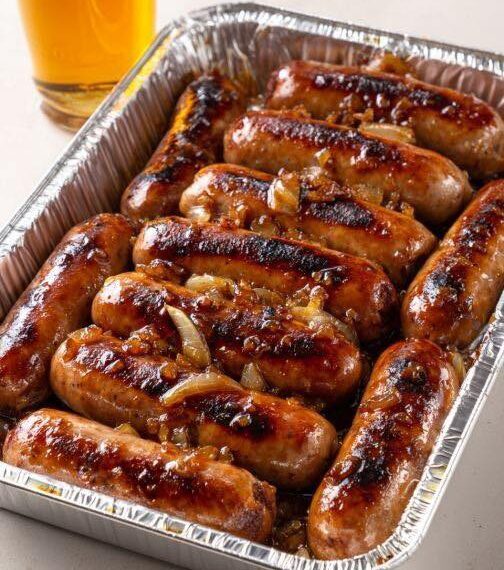
The cooking method that will revolutionize your sausage preparation involves slow braising followed by a high-heat finish. This two-step approach marries gentle, moisture-rich cooking with a crisp, caramelized exterior — delivering sausages that are deeply flavorful, tender, and juicy with a perfectly crisp casing.
Why Slow Braising Works Wonders on Sausages
Braising is a cooking technique where food is cooked slowly in a small amount of liquid at low temperatures. This technique is traditionally reserved for tougher cuts of meat but applies beautifully to sausages.
Moisture Retention and Juiciness
Slow braising gently cooks the sausages through indirect heat, preventing the juices from escaping too rapidly. This results in sausages that remain moist and succulent inside, a stark contrast to conventional high-heat methods that risk drying out the meat.
Flavor Infusion
By braising sausages in a flavorful liquid — such as beer, broth, wine, or a blend of aromatics — the meat absorbs complex flavors, enhancing its taste profile. This infusion makes every bite richer and more nuanced.
Tenderizing the Meat
The slow cooking softens the sausage proteins and connective tissues, creating an exceptionally tender texture that almost melts in the mouth.
The Finishing Touch: High-Heat Searing for Perfect Texture and Appearance
Once the sausages have been gently braised to tender perfection, the next step is to quickly sear or grill them over high heat. This final step is essential to develop a crisp, caramelized skin, which adds a delightful contrast to the tender interior.
Maillard Reaction Magic
The intense heat triggers the Maillard reaction, a chemical process that browns the proteins and sugars on the sausage’s surface, producing complex savory flavors and a beautiful golden crust.
Snappy Casings and Visual Appeal
The quick sear tightens the casing, giving it that classic snap when bitten into, and enhances the sausages’ visual appeal with appetizing grill marks or a golden-brown finish.
Step-by-Step Guide to Cooking Sausages Using the Slow Braise and Finish Technique
Ingredients and Equipment Needed
- Fresh or high-quality sausages (any variety)
- Braising liquid: beer, chicken or vegetable broth, apple cider, or wine
- Aromatics: garlic cloves, onion slices, fresh herbs (thyme, rosemary, bay leaves)
- Olive oil or butter for finishing sear
- Cast iron skillet or heavy-bottom pan
- Tongs for turning sausages
- Thermometer (optional but recommended)
Step 1: Preparing the Sausages
Begin by gently pricking the sausages a few times with a fork or skewer. This prevents them from bursting during cooking while allowing some steam to escape. Pat them dry to ensure better browning later.
Step 2: Slow Braising the Sausages
- In a large skillet or braising pan, arrange the sausages in a single layer.
- Add your chosen braising liquid to cover the sausages about halfway (usually around 1 to 1.5 cups depending on pan size).
- Add aromatics like garlic, sliced onions, fresh herbs, and cracked black peppercorns to the liquid for flavor depth.
- Cover the pan and bring the liquid to a gentle simmer over medium-low heat. Maintain this simmer and cook for 20-30 minutes, turning occasionally.
- The sausages will slowly cook in the flavorful liquid, absorbing moisture and becoming tender.
Step 3: Removing and Resting
After braising, remove the sausages from the liquid and pat them dry again. This step is crucial to avoid steaming rather than searing during the next phase.
Step 4: High-Heat Searing
- Heat a cast iron skillet or grill pan over medium-high to high heat. Add a splash of olive oil or a small knob of butter.
- Once the fat is shimmering hot, place the sausages in the pan. Sear for 2-3 minutes per side or until they develop a deep golden-brown crust. Turn carefully to avoid tearing the casing.
- Use tongs to rotate sausages, ensuring all sides are evenly caramelized.
- Remove from heat and let rest for a few minutes before serving.
Flavor Variations and Enhancements: Customizing Your Sausage Experience
The beauty of this method is its versatility. The braising liquid and aromatics can be adjusted to suit a variety of cuisines and flavor profiles.
Classic European Style
- Braise with lager beer, onions, garlic, mustard seeds, and fresh thyme.
- Finish with a touch of Dijon mustard and caramelized onions.
Mediterranean Flair
- Use white wine, lemon zest, garlic, and rosemary in the braising liquid.
- Serve with roasted vegetables and a drizzle of extra virgin olive oil.
Spicy and Smoky
- Braise with chipotle-infused broth, smoked paprika, and cumin.
- Finish on the grill and serve with spicy aioli or smoky barbecue sauce.
Sweet and Savory
- Braise with apple cider, cinnamon sticks, and cloves for a hint of sweetness.
- Pair with mashed sweet potatoes or roasted root vegetables.
Serving Suggestions: Creating a Complete Meal
Click page 2 for more