Discover What Could Be Hiding in Your Most Dangerous Storage Spot
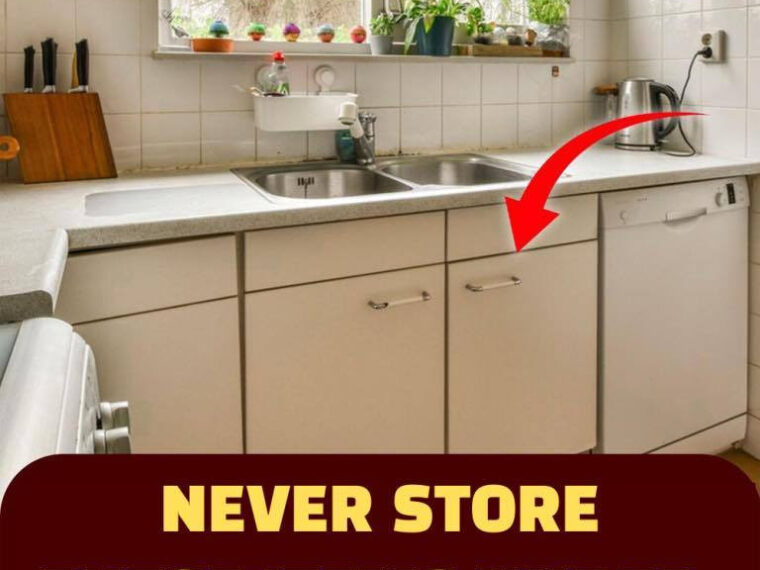
The kitchen sink—it’s the heart of your culinary workspace. It’s where dishes get cleaned, vegetables are washed, and hands are scrubbed before handling food. But underneath that very sink, behind the doors of that humble cabinet, lurks one of the most misused and hazardous storage areas in the home.
Many homeowners unknowingly treat the space under the kitchen sink as a catch-all. It becomes a dark abyss filled with everything from cleaning chemicals to old plastic bags and even pet food. Unfortunately, this unassuming cabinet can be a breeding ground for mold, bacteria, and safety hazards if used improperly.
In this in-depth guide, we’ll explore the top items you should never store under your kitchen sink, and we’ll explain why each item poses a risk to your health, home, and even your finances. Whether you’re a homeowner, renter, or just someone looking to optimize your kitchen safely, this article will change how you view your under-sink storage forever.
1. Flammable Products: A Fire Waiting to Happen
Why it’s a problem:
Storing flammable products like aerosol sprays, paint thinners, alcohol-based cleaners, or lighter fluids under the kitchen sink is a ticking time bomb. Most kitchen sinks are located near heat sources—such as dishwashers, garbage disposals, or even electrical wiring. If a fire starts or a spark is emitted nearby, these items can combust instantly.
Examples of flammable items to avoid:
- Furniture polish
- Oven cleaners
- Degreasers
- Spray paints
- Rubbing alcohol
The real risk: Even a slow leak in a pressurized aerosol can lead to gas buildup. Combined with the heat and poor ventilation under the sink, this can cause explosions, fires, or noxious fumes.
Better alternative: Store flammable items in a locked metal cabinet away from heat, ideally in a garage or utility room.
2. Batteries and Electronics: Corrosion and Leaks
The moisture-rich environment beneath the kitchen sink makes it an extremely unfriendly place for electronic items or batteries. Unfortunately, many people toss things like backup flashlights, spare batteries, small gadgets, or even old chargers in that cabinet thinking it’s harmless.
Why this is dangerous:
- Humidity can corrode terminals.
- Batteries can leak acidic fluid.
- Electrical items can short-circuit or become fire hazards.
Long-term impact: Leaked battery acid can damage the cabinet surface, ruin electronics, and create a toxic cleanup job. Additionally, moisture accelerates the aging process of most electrical components.
Best practice: Keep all electronics and batteries in a dry, temperature-controlled environment, like a drawer with silica gel packets to absorb moisture.
3. Pet Food and Treats: A Buffet for Pests
Pet owners, beware: storing dog food, cat treats, or any edible item under the sink is practically an invitation for pests. The under-sink space is naturally dark, warm, and often slightly damp—the perfect conditions for roaches, ants, and rodents.
Why it’s risky:
- Pet food can attract pantry pests like beetles and moths.
- Rodents love to chew through plastic bags and cardboard boxes.
- Spoiled pet food due to humidity can make your furry friend sick.
Health risks involved:
Contaminated pet food can lead to bacterial infections like salmonella—not only in pets but also humans who handle the tainted food.
Solution: Store pet food in airtight, pest-proof containers in a pantry or utility area.
4. Paper Goods: A Mold Magnet
Paper towels, napkins, unused paper plates, and even spare cookbooks often find their way under the kitchen sink due to convenience. But paper and humidity are a dangerous combination.
What happens:
- Paper absorbs moisture quickly.
- It encourages mold growth.
- Once contaminated, it spreads spores to everything nearby.
In worst cases: Mold spores from damp paper can spread to other kitchen items, compromising air quality and triggering allergies or asthma.
Safer option: Keep all paper products in a dry cupboard or drawer, away from sinks and dishwashers.
5. Cleaning Rags and Sponges: A Germ Breeding Ground
It might feel logical to store extra cleaning rags or even used sponges under the sink—but it’s one of the worst places you can keep them.
Why this matters:
- Damp rags never fully dry in that dark, closed-off space.
- Moisture + organic residue = rapid bacterial growth.
- Mildew and musty smells become unavoidable.
The health hazard: You’re essentially storing a colony of bacteria right next to your cleaning supplies. When you grab that rag, you’re not cleaning—you’re spreading germs.
What to do instead: Let rags dry fully before storage and keep them in a ventilated laundry room or designated cleaning closet.
6. Food Items: Cross-Contamination Risk
One of the cardinal sins of kitchen safety is storing edible food under the sink. Even if it’s non-perishable (like canned goods or sealed snacks), the risk of contamination is high.
Reasons to avoid:
- Leaking pipes can wet packaging and spoil the food.
- Chemicals stored in the same space may release fumes.
- Rodents and bugs target even unopened items.
Cross-contamination danger: Even trace amounts of chemical vapors from drain cleaners or bleach can settle on food packages, posing invisible health risks.
Safe storage rule: All food—perishable or not—should be stored well away from chemicals and plumbing.
7. Chemical Cocktails: Hazardous Reactions
People often store multiple cleaning products under their sinks: bleach, ammonia, disinfectants, drain openers, and so on. What most don’t realize is that these chemicals can react with each other, even without being mixed intentionally.
Dangerous chemical combinations:
- Bleach + Ammonia = Toxic Chloramine Vapors
- Bleach + Vinegar = Deadly Chlorine Gas
- Hydrogen Peroxide + Vinegar = Peracetic Acid
Problematic scenarios:
- A leaking bottle slowly mixes with another.
- Damp air causes containers to sweat and drip.
- Children or pets accidentally knock things over.
Pro tip: Store only necessary cleaning products under the sink and separate anything reactive. Use labeled, sealed containers.
8. Paints and Solvents: Toxic Off-Gassing
Even tightly sealed, paint cans and solvents can emit fumes over time. The enclosed area under the sink becomes a chamber of toxic air. When you open the cabinet, you could be exposing yourself to VOC (volatile organic compound) emissions, which are linked to:
- Headaches
- Respiratory issues
- Long-term neurological damage
Click page 2 for more