Your kitchen is the heart of your home. It’s where meals are crafted, memories are made, and life unfolds around food. But it’s also one of the most vulnerable places when it comes to hidden germs, cross-contamination, and foodborne illnesses. And there’s one item in particular that sits right at the center of this health battleground: the plastic cutting board.
If you’re like most home cooks, you probably use a plastic cutting board for everything — from chopping vegetables and slicing bread to cutting meat or preparing fruit. It’s lightweight, easy to clean, and affordable. But here’s the surprising truth: that convenient slab of plastic can become a breeding ground for harmful bacteria if it’s not cleaned, maintained, and sanitized properly.
This comprehensive, no-nonsense guide will show you how to keep your plastic cutting board clean, safe, and free of germs, ensuring your kitchen remains a zone of nourishment rather than contamination.
We’ll cover every angle — from daily cleaning routines and deep disinfection to smart habits that extend the life of your board. You’ll also learn the real science behind bacterial growth, why some boards harbor more microbes than others, and how to prevent invisible contaminants from entering your food.
Why Plastic Cutting Boards Are Popular — and Problematic
Plastic cutting boards have become kitchen staples for good reasons. They’re lightweight, dishwasher-safe, non-porous, and less expensive than wooden or bamboo alternatives. They also come in a variety of colors, making it easy to designate specific boards for different food types — a great way to prevent cross-contamination.
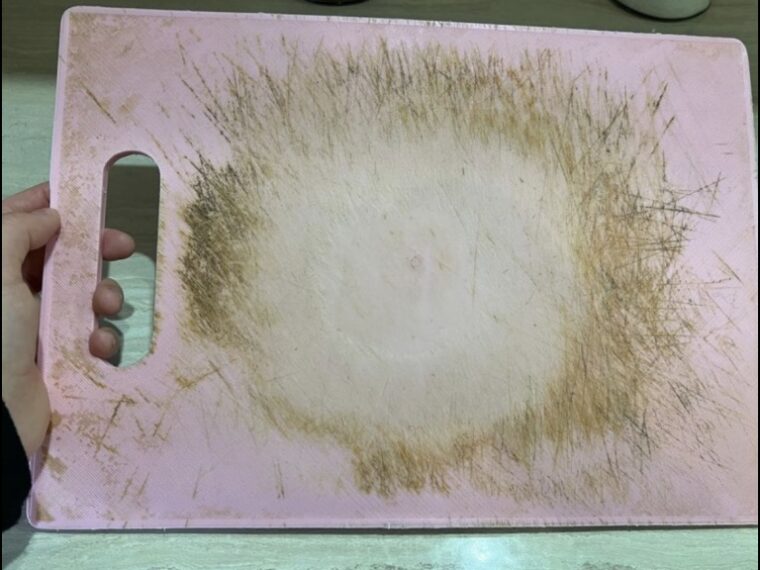
However, there’s a hidden side to their convenience. Over time, knife marks create tiny grooves and scratches in the surface of the plastic. These crevices trap food particles, moisture, and bacteria, creating a perfect microenvironment for pathogens like Salmonella, E. coli, and Listeria monocytogenes to thrive.
Even though plastic boards seem smooth, they can quickly turn into invisible biofilm colonies — thin layers of bacteria that resist normal washing. These microbes can transfer to your fresh produce or cooked meals, leading to potential foodborne illness outbreaks in your home.
That’s why mastering cutting board hygiene isn’t just about cleanliness — it’s about protecting your health and your family’s well-being.
Understanding the Risks: The Science of Bacteria on Cutting Boards
Every time you slice raw meat, fish, or poultry, tiny amounts of fluid containing bacteria spread across your board. Even after rinsing, some of those microorganisms cling to microscopic cuts in the plastic surface.
Studies have shown that plastic boards can harbor bacteria deep within the grooves, especially after prolonged use. These bacteria form resilient communities known as biofilms — sticky layers that ordinary soap and water can’t easily remove.
The danger lies in cross-contamination. When you chop vegetables or fruits on the same board that was previously used for raw chicken, for example, you’re transferring harmful pathogens directly to food that might not be cooked — and therefore not sterilized.
Common bacteria found on contaminated cutting boards include:
- Salmonella – Often linked to poultry, eggs, and meat.
- E. coli – Associated with undercooked beef and unwashed produce.
- Listeria – Can survive refrigeration and contaminate ready-to-eat foods.
- Campylobacter – A leading cause of bacterial gastroenteritis.
Symptoms of foodborne illness can range from mild stomach cramps to severe dehydration, fever, and in rare cases, life-threatening complications. Fortunately, a few simple cleaning habits can prevent 99% of these risks.
Step-by-Step Guide: How to Clean Your Plastic Cutting Board Daily
Keeping your plastic cutting board clean doesn’t have to be complicated. The goal is to make sanitation part of your daily kitchen rhythm — something automatic, like washing your hands before cooking.
Here’s how to properly clean your cutting board after every use:
Step 1: Scrape and Rinse Immediately
After each use, remove all food debris with a scraper, spatula, or paper towel. This step prevents residue from hardening or sticking to the surface. Then, rinse the board under hot running water to flush away remaining bits of food and grease.
Step 2: Wash with Hot, Soapy Water
Use a mild dish detergent and a clean sponge or dish brush. Scrub both sides of the board — even the underside that didn’t touch food, as liquids can drip or splash. Hot water helps loosen oils and grime, while detergent breaks down organic material.
Pro tip: Use a sponge dedicated only to your cutting boards to avoid cross-contamination from other kitchen surfaces.
Step 3: Rinse Thoroughly
Soap residue can trap dirt or leave a film that dulls your board over time. Rinse thoroughly under warm water until the surface feels squeaky clean.
Step 4: Dry Completely
Always air-dry your cutting board upright or pat it dry with a clean towel. Moisture is the enemy — damp surfaces encourage bacterial growth. A fully dry board is a safe board.
Deep Cleaning and Disinfecting: When Soap Isn’t Enough
Even with daily washing, your cutting board will eventually need a deeper level of cleaning. This is especially true if it’s been used to prepare raw meat, poultry, or seafood.
Here are several effective and food-safe disinfection methods you can rotate through to keep your plastic board truly germ-free:
1. Bleach Sanitizing Solution
This is one of the most effective methods for killing bacteria and viruses.
What you’ll need:
- 1 tablespoon of unscented household bleach
- 1 gallon of cool water
How to use it:
- Mix the bleach and water in a large container or sink.
- Submerge your cutting board fully or wipe it down using a clean cloth soaked in the solution.
- Let it sit for 2 minutes.
- Rinse thoroughly with warm water and allow to air dry.
This solution disinfects without leaving harmful residue. Always ensure proper ventilation when using bleach and never mix it with ammonia or vinegar.
2. White Vinegar and Baking Soda
If you prefer a natural, chemical-free method, vinegar and baking soda are a powerhouse duo.
How to use it:
- Sprinkle baking soda evenly over the board.
- Spray or pour white vinegar on top — it will fizz as it reacts.
- Let the mixture sit for 5–10 minutes.
- Scrub the board thoroughly with a sponge or brush.
- Rinse with warm water and dry completely.
This combination not only neutralizes odors but also breaks down bacteria and grease.
3. Hydrogen Peroxide (3%)
Hydrogen peroxide is a powerful antibacterial and antifungal agent that’s safe for food-contact surfaces.
How to use it:
- Pour a small amount of 3% hydrogen peroxide directly onto the board.
- Spread it evenly using a clean sponge or cloth.
- Let it bubble for 2–3 minutes.
- Rinse thoroughly and dry.
It’s especially effective after cutting raw meat, as it destroys pathogens quickly without harsh fumes.
4. Lemon and Salt Scrub
Lemon’s natural acidity works wonders on stains and lingering odors. Combined with salt, it creates a gentle abrasive that lifts grime.
How to use it:
- Sprinkle coarse salt (such as kosher salt) across the board.
- Cut a lemon in half and use it to scrub the surface.
- Let the lemon juice sit for 5 minutes before rinsing.
- Rinse with warm water and dry.
This method is excellent for deodorizing your cutting board while keeping it bright and fresh.
5. Dishwasher Sanitation
Many plastic cutting boards are dishwasher safe, but you should always confirm with the manufacturer’s label.
If it’s dishwasher-safe:
- Place the board on the top rack to prevent warping.
- Use a hot cycle with detergent to sanitize thoroughly.
- Remove and air-dry immediately after the cycle ends.
Avoid exposing thin or cheap boards to repeated high heat cycles, as they may warp over time.
Smart Habits to Keep Your Cutting Board Safe and Long-Lasting
Cleaning is only half the equation. The other half involves preventing contamination and maintaining the integrity of your cutting board so it remains a safe food-prep surface for years.
Here are essential habits every home chef should adopt:
1. Use Separate Boards for Different Foods
To avoid cross-contamination, designate specific boards for different food groups:
- Red for raw meat
- Blue for seafood
- Green for vegetables and fruits
- Yellow for poultry
- White for bread or dairy
If color-coded boards aren’t available, use clear labeling or small stickers. Keeping these categories separate prevents harmful bacteria from migrating from raw to cooked foods.
2. Inspect Your Cutting Board Regularly
Examine your board under good light. Deep cuts, grooves, or discoloration are red flags. These imperfections can harbor bacteria even after washing.
If you can feel ridges with your fingernail or notice stubborn stains that don’t wash out, it’s time to retire your cutting board. A damaged board isn’t just unsightly — it’s unsafe.
3. Avoid Cross-Contact Between Raw and Cooked Foods
Never place cooked food back on the same cutting board that held raw meat or seafood, even if you’ve rinsed it. Always wash and sanitize first or use a separate board entirely.
This simple rule is one of the most effective ways to prevent foodborne illness.
4. Store Cutting Boards Upright and Dry
Moisture trapped under or between cutting boards creates a perfect breeding zone for mold and bacteria. Always:
- Store boards vertically in a rack or drying stand.
- Allow airflow around them.
- Avoid stacking wet boards in cupboards.
Proper drying not only prevents microbial growth but also extends the life of the plastic.
5. Replace Boards at the Right Time
Plastic cutting boards aren’t built to last forever. Depending on usage, they typically need replacement every 1–2 years.
If you cook daily or frequently handle raw proteins, you might need to replace them more often. When in doubt, it’s always safer to invest in a new one than to risk contamination.
Common Mistakes That Can Ruin Your Cutting Board
Even with the best intentions, many people unknowingly shorten their board’s lifespan or compromise its cleanliness. Here are the top pitfalls to avoid:
Mistake 1: Using Metal Scourers or Harsh Scrubs
These can deepen scratches and create new hiding spots for bacteria. Always use soft sponges or brushes.
Mistake 2: Storing Boards While Damp
Moisture equals bacteria. Always dry thoroughly before putting away.
Mistake 3: Using Scented Cleaning Products
Strongly perfumed cleaners can leave residues that taint your food or damage the plastic. Stick to mild, food-safe options.
Mistake 4: Ignoring Knife Care
Dull knives require more pressure and dig deeper into the board, creating unnecessary grooves. Sharpen your knives regularly to reduce wear and tear.
Eliminating Odors Naturally
Even a spotless cutting board can sometimes hold onto odors from garlic, onions, or fish. Here’s how to refresh it naturally:
- Lemon and Baking Soda:
Mix baking soda with lemon juice into a paste, scrub, and rinse. - Vinegar Soak:
Soak the board for 10 minutes in equal parts vinegar and water, then rinse thoroughly. - Activated Charcoal Powder:
Sprinkle a little on the board, leave overnight, and wash off in the morning. It absorbs odors effectively. - Hydrogen Peroxide Spray:
Spray lightly and let air-dry for a quick deodorizing boost.
The Truth About “Antibacterial” Plastic Cutting Boards
Click page 2 for more