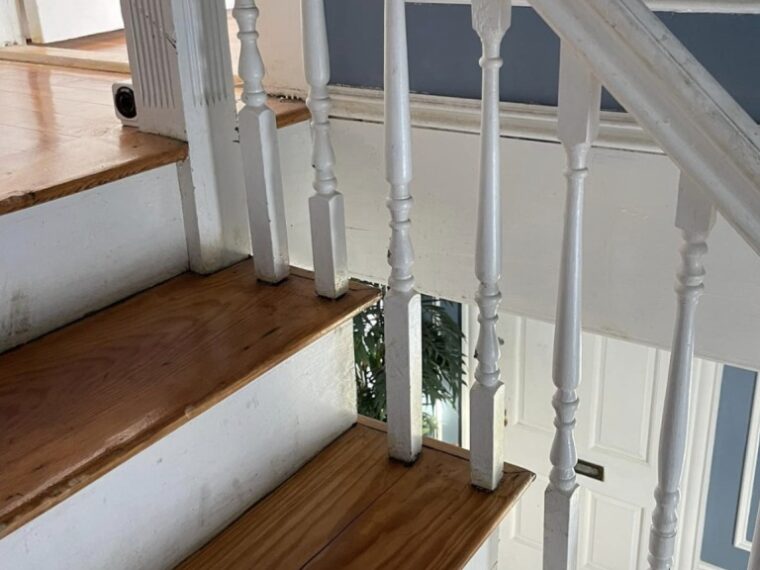
When walking through neighborhoods, strolling along historic streets, or exploring older homes, you might notice something peculiar: a single baluster installed upside down on a staircase. At first glance, it seems like a simple construction mistake, or perhaps a whim of the builder. Yet, for those who understand architectural symbolism, a single upside-down baluster is far more than a quirk—it carries a hidden story, a subtle message, and sometimes a deeply personal or spiritual significance.
The phenomenon of the upside-down baluster has fascinated architects, historians, and homeowners for centuries. Its presence sparks curiosity and often invites questions: Why is it there? Was it accidental, or intentional? Does it carry meaning beyond aesthetics? In this comprehensive exploration, we will uncover the soulful symbolism, historical context, architectural nuances, and psychological undertones of this small but powerful detail in residential spaces.
Understanding the Basics: What Is a Baluster?
To truly grasp the significance of an upside-down baluster, we first need to understand what a baluster is and why it exists.
A baluster is the vertical post that supports the handrail of a staircase or railing. Balusters are functional as well as decorative, ensuring safety by preventing falls while also contributing to the aesthetic appeal of a home. Collectively, a row of balusters is called a balustrade, and their design can vary widely—from simple, understated shapes to highly ornate carvings in traditional or historic homes.
Balusters are usually manufactured with a clear top and bottom orientation. They are meticulously designed so that the proportions and decorative elements align properly when installed. An upside-down baluster disrupts this intended order, creating a subtle but noticeable difference in the flow of the staircase design.
The Mysterious Presence of an Upside-Down Baluster
When a homeowner discovers a single upside-down baluster on their staircase, the initial assumption is often that it was a construction error. While human error cannot be entirely ruled out, there is a rich history of builders intentionally placing one baluster upside down.
1. A Mark of Humility and Craftsmanship
In historical construction, master builders often took pride in their work, but some intentionally left one small imperfection—a single upside-down baluster—as a sign of humility. The idea was that only God is perfect, and no human creation could achieve absolute flawlessness. By leaving one baluster upside down, the craftsman subtly acknowledged human limitations while still showcasing their skill.
2. A Secret Signature
Some artisans used the upside-down baluster as a form of hidden signature or hallmark. Before modern trademarks or signatures, craftsmen needed ways to leave their mark without overtly drawing attention. The single reversed baluster served as a discreet signature, a personal stamp of authorship that only those who knew to look would recognize.
3. Spiritual or Protective Symbol
Across different cultures and architectural traditions, subtle inversions in design often carry spiritual significance. The upside-down baluster has sometimes been associated with protection, warding off negative energy or evil spirits from the home. In this context, the deliberate reversal transforms a mundane staircase element into a meaningful talisman woven into the very fabric of the building.
Historical Context: Upside-Down Balusters Through the Ages
The practice of installing one upside-down baluster is not a modern phenomenon. Evidence of this tradition can be traced back to multiple periods of architectural history, each with its own interpretation:
Colonial and Victorian Homes
In colonial and Victorian-era homes, staircases were often elaborate statements of craftsmanship. Builders and carpenters, working with hand-carved wood, might include a single reversed baluster intentionally to honor tradition or to leave a discreet signature. Homeowners were often aware of the practice, and it was considered a mark of sophistication to recognize the subtle artistry hidden in the staircase design.
European Influence
In many European architectural traditions, particularly in England, France, and Italy, the notion of deliberately including a small imperfection was common. It reflected philosophical and spiritual beliefs that human creations should acknowledge their imperfection in contrast to divine perfection. The upside-down baluster in this context symbolized humility, wisdom, and reverence for higher ideals.
Modern Homes and Intentional Symbolism
Even in contemporary homes, some builders or interior designers continue this tradition as a nod to history, craftsmanship, and symbolism. While modern construction is highly standardized, the intentional placement of a single upside-down baluster can transform an otherwise ordinary staircase into a point of curiosity, conversation, and aesthetic depth.
The Symbolic Meaning of an Upside-Down Baluster
Beyond craftsmanship and tradition, the upside-down baluster carries profound symbolic significance. For those attuned to the subtleties of architectural messaging, it can represent themes that resonate on a deeply personal or spiritual level:
1. Imperfection and Humanity
Life is inherently imperfect, and a single reversed baluster can serve as a reminder of this universal truth. It suggests that beauty lies not only in flawless execution but in the acknowledgment of imperfection. The reversed baluster is a physical manifestation of the philosophy that human effort, while admirable, is never without flaw.
2. Hidden Stories
The upside-down baluster can be a vessel for hidden stories. It might honor a particular craftsman, commemorate a subtle event in the building’s history, or even act as a coded message to future generations. Those who know the meaning can read it like a silent narrative etched into the home’s architecture.
3. Protection and Energy Flow
In feng shui and similar spiritual practices, subtle alterations in design can affect the flow of energy within a home. An upside-down baluster can serve as a conscious or unconscious attempt to disrupt negative patterns, guide positive energy, or create balance within a living space.
4. Personal Connection and Soulful Architecture
Click page 2 for more