Foot pain is one of the most underestimated health complaints in the world, and among the many forms it takes, metatarsalgia stands out as both common and misunderstood. Though it can affect anyone, statistics show that women are far more frequently affected than men. This painful condition can transform a normal day into a constant battle with discomfort, limiting mobility, reducing quality of life, and even altering posture and walking mechanics.
At first glance, metatarsalgia may seem like a simple soreness in the ball of the foot — but in reality, it’s a complex biomechanical and structural issue that can stem from various causes: improper footwear, repetitive stress, foot deformities, or systemic diseases that affect joints and tissues. Understanding this condition deeply is crucial for prevention, diagnosis, and effective treatment.
In this detailed exploration, we’ll uncover what metatarsalgia really is, why it disproportionately affects women, what causes it, how it feels, and most importantly — what you can do to treat and prevent it.
1. Understanding Metatarsalgia: The Basics
The term metatarsalgia comes from two Greek words: “metatarsus” (the bones of the mid-foot) and “algia” (pain). Simply put, it refers to pain in the forefoot, especially under the heads of the metatarsal bones — the long bones that connect the midfoot to the toes.
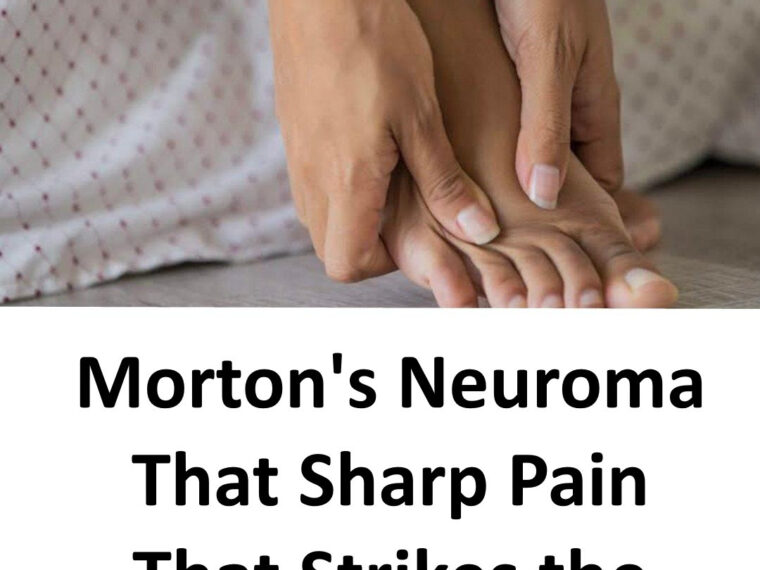
This pain typically manifests as a burning, aching, or sharp sensation in the ball of the foot, often worsening during standing, walking, or running. Some people describe it as feeling like there’s a pebble or stone in their shoe. Over time, the discomfort can spread, changing the way one walks and creating strain in other parts of the body such as the ankles, knees, hips, and lower back.
The metatarsal region plays a critical role in bearing body weight and absorbing impact during movement. When excessive pressure, misalignment, or repetitive stress affects this area, inflammation and pain develop — leading to metatarsalgia.
2. Why Women Are More Affected
While metatarsalgia is common in both sexes, women are more frequently affected, and the reasons are multifaceted. Lifestyle, footwear choices, and anatomical differences all contribute to this gender disparity.
a. Footwear Choices
High heels, narrow shoes, and footwear lacking proper arch support are major culprits. Heeled shoes shift body weight forward onto the metatarsal heads, increasing pressure on the forefoot and compressing surrounding soft tissues. Over time, this leads to inflammation, callus formation, and pain characteristic of metatarsalgia.
Fashion-driven footwear often sacrifices functionality for aesthetics — tight toe boxes, thin soles, and minimal cushioning all contribute to uneven pressure distribution across the foot.
b. Anatomical and Hormonal Differences
Women typically have wider hips and different gait patterns than men. This results in a slightly different angle of foot strike, which can influence how pressure is distributed during walking. Additionally, hormonal fluctuations — particularly related to estrogen and collagen elasticity — can affect ligament flexibility, increasing the risk of structural foot deformities like bunions or hammertoes, both of which can contribute to metatarsalgia.
c. Pregnancy and Weight Shifts
During pregnancy, hormonal changes soften ligaments, and weight gain alters body mechanics. The added pressure on the feet, combined with swelling (edema), can flatten the arches and overburden the metatarsal heads. Many women develop forefoot pain during or after pregnancy as a result.
3. The Anatomy of the Problem
To fully understand metatarsalgia, it’s important to grasp the anatomy of the forefoot. The metatarsal bones form the bridge between the tarsal bones (in the midfoot) and the phalanges (toes). There are five metatarsal bones, and each plays a distinct role in stabilizing the foot.
When you walk or run, the metatarsal heads bear significant pressure — especially during the “toe-off” phase of gait. Normally, the arches and soft tissues distribute this load evenly. However, when the balance is disrupted, one or more metatarsal heads may absorb more impact than others, leading to localized irritation.
The tissues most affected include:
- Plantar plate – a thick ligament under each metatarsal head that stabilizes the toes.
- Metatarsophalangeal joints – small joints that can become inflamed under repeated stress.
- Fat pads – natural cushions under the ball of the foot that thin over time, reducing shock absorption.
As these structures become irritated or damaged, pain intensifies, and compensatory movement patterns can develop — worsening the problem.
4. Common Causes and Contributing Factors
Metatarsalgia rarely has a single cause; it’s usually the result of multiple interacting factors. Below are the most common causes.
a. Improper Footwear
Shoes that are too tight, too loose, or lack sufficient cushioning alter foot mechanics. High heels, in particular, push the body’s center of gravity forward, increasing forefoot pressure dramatically. Similarly, minimalist shoes or poorly cushioned sneakers can fail to absorb impact during running or walking.
b. High-Impact Activities
Running, jumping, or sports involving rapid direction changes (like basketball, tennis, or soccer) place enormous stress on the metatarsal heads. Over time, microtrauma builds up, resulting in inflammation.
c. Foot Deformities
Conditions such as bunions (hallux valgus), hammertoes, or flat feet can shift weight distribution, forcing certain metatarsals to bear more load. Conversely, individuals with high arches also face problems, as their feet absorb less shock, transferring stress to the forefoot.
d. Age and Fat Pad Atrophy
As people age, the natural fat pads under the ball of the foot thin out. This loss of cushioning exposes bones and joints to greater pressure, increasing the likelihood of metatarsalgia — especially in active adults and older women.
e. Excess Body Weight
Each additional pound of body weight translates into increased pressure on the metatarsal heads during standing and walking. Over time, this mechanical stress contributes to inflammation and chronic pain.
f. Medical Conditions
Certain conditions can predispose someone to forefoot pain, including:
- Rheumatoid arthritis
- Gout
- Diabetes-related neuropathy
- Morton’s neuroma (a nerve condition often mistaken for metatarsalgia)
- Stress fractures or joint degeneration
When these underlying conditions exist, managing them effectively is essential to controlling metatarsalgia symptoms.
5. Symptoms and Early Warning Signs
The hallmark symptom of metatarsalgia is pain in the ball of the foot, particularly under one or more metatarsal heads. However, the nature and intensity of the pain can vary.
Common symptoms include:
- A burning or aching sensation in the forefoot
- Sharp, shooting pain that worsens with activity
- The feeling of “walking on pebbles”
- Numbness or tingling between the toes
- Increased discomfort when barefoot or on hard surfaces
- Relief when resting or removing shoes
At first, the pain may appear only after long periods of standing or activity. But without intervention, it can become constant, even during rest. Ignoring early signs often leads to compensatory gait changes — where a person subconsciously shifts weight to the outer foot or opposite limb, which can cause secondary pain in the knees, hips, or lower back.
6. Diagnosis: How Professionals Identify the Problem
Diagnosing metatarsalgia requires a careful combination of physical examination, medical history, and imaging studies. A podiatrist or orthopedic specialist will begin by observing gait, posture, and footwear patterns.
a. Physical Examination
Doctors check for tenderness under the metatarsal heads, swelling, calluses, and deformities. They may also evaluate toe mobility and assess whether pressure distribution is even across the foot.
b. Imaging Tests
- X-rays help rule out fractures, arthritis, or bone deformities.
- Ultrasound or MRI scans may reveal soft tissue injuries, neuromas, or inflammation of the plantar plate.
- Pressure mapping systems (pedobarography) provide a visual map of weight distribution during standing or walking, pinpointing exactly where excessive stress occurs.
Proper diagnosis is crucial because several conditions mimic metatarsalgia — such as Morton’s neuroma, sesamoiditis, or stress fractures.
7. Treatment: From Conservative to Advanced Options
The good news is that most cases of metatarsalgia can be treated effectively without surgery. Early intervention and lifestyle adjustments play a key role in recovery.
a. Rest and Activity Modification
Reducing activities that exacerbate pain allows inflammation to subside. Temporarily avoiding high-impact exercises like running or jumping helps prevent further irritation.
b. Ice Therapy
Applying ice to the affected area for 15–20 minutes several times a day can reduce swelling and relieve pain.
c. Footwear Changes
Choosing shoes with wide toe boxes, good arch support, and cushioned soles is one of the most effective ways to relieve forefoot pressure. For women, avoiding high heels or tapering toe shapes can make an immediate difference.
d. Orthotic Devices
Custom-made or over-the-counter orthotic insoles redistribute weight across the foot, reducing stress on the metatarsal heads. Metatarsal pads placed just behind the painful area lift and offload pressure, allowing tissues to heal.
e. Physical Therapy
Click page 2 for more