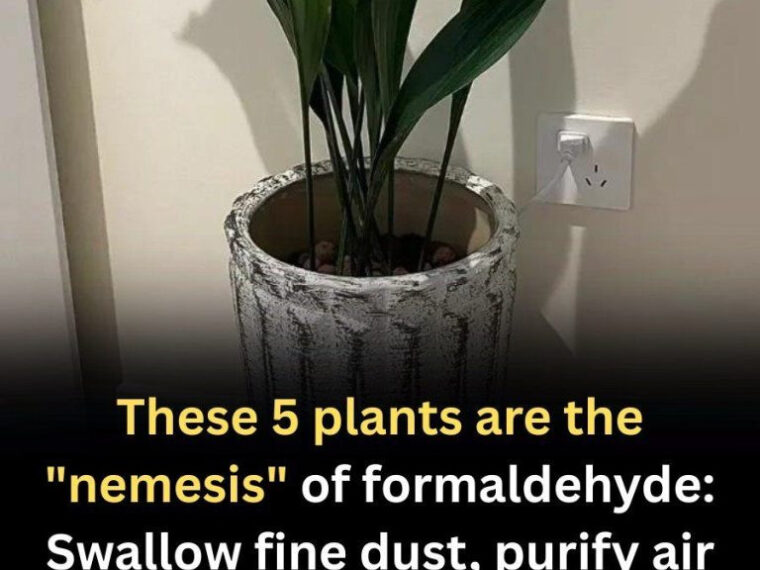
Indoor air quality has become a major concern in modern living. From rising urban pollution to emissions from furniture, carpets, and cleaning products, the average home can harbor a surprising amount of harmful compounds. One of the most pervasive indoor pollutants is formaldehyde, a colorless gas that is widely used in manufacturing adhesives, pressed-wood products, textiles, and household cleaners. Prolonged exposure to formaldehyde can trigger respiratory problems, skin irritation, headaches, and in some cases, more serious health risks.
While air purifiers and ventilation systems offer technical solutions, there is a more natural, aesthetically pleasing, and sustainable approach: indoor plants. Certain species have a remarkable ability to absorb formaldehyde, other volatile organic compounds (VOCs), and fine dust particles. They act as living air filters, improving indoor air quality while adding greenery and serenity to your living spaces.
This article delves into the top five plants that are particularly effective at neutralizing formaldehyde, reducing airborne dust, and creating a healthier home environment.
1. Areca Palm (Dypsis lutescens)
Purifying Power
The Areca Palm, sometimes called the butterfly palm, is renowned for its excellent air-purifying capabilities. NASA’s famous Clean Air Study highlighted its ability to remove formaldehyde, xylene, and toluene from indoor air. Unlike some plants that primarily absorb moisture or oxygen, Areca Palms actively process VOCs and convert them into harmless byproducts through their natural metabolism.
Dust Absorption
The lush fronds of the Areca Palm are highly effective at capturing fine dust particles, which can otherwise settle in furniture or be inhaled. The large surface area of the leaves acts as a natural dust trap, reducing allergens in the home and minimizing respiratory irritants.
Benefits Beyond Air Quality
- Humidity Regulation: Areca Palms release moisture through transpiration, which helps maintain comfortable indoor humidity levels.
- Aesthetic Appeal: Their graceful arching fronds add elegance to living rooms and offices.
- Low Maintenance: They thrive in indirect sunlight and need moderate watering, making them ideal for urban apartments.
Tip: Place your Areca Palm near high-traffic areas or electronic devices to maximize dust and VOC absorption.
2. Snake Plant (Sansevieria trifasciata)
A Formaldehyde Fighter
The Snake Plant, also known as Mother-in-Law’s Tongue, is a resilient indoor plant capable of surviving harsh conditions while actively detoxifying the air. It is particularly effective at absorbing formaldehyde, benzene, and trichloroethylene. Unlike many plants that require photosynthesis in daylight, Snake Plants continue producing oxygen even at night, making them perfect bedroom companions.
Fine Dust Absorption
The stiff, upright leaves of the Snake Plant act as a barrier to airborne dust. Their textured surfaces allow particles to settle and be naturally broken down, preventing recirculation in the air. This dual action—absorbing chemical pollutants and fine dust—makes the Snake Plant one of the most versatile indoor air purifiers.
Additional Advantages
- Minimal Care Requirements: Can survive low light, irregular watering, and temperature fluctuations.
- Health Benefits: Enhances overall air quality and supports better sleep due to increased nighttime oxygen production.
- Durability: Resistant to pests and mold, making it an ideal choice for busy households.
Tip: Clean the leaves periodically with a damp cloth to maintain their dust-trapping efficiency.
3. Spider Plant (Chlorophytum comosum)
Why Spider Plants Excel Against Formaldehyde
Spider Plants are widely recognized for their ability to remove formaldehyde, xylene, and carbon monoxide from indoor environments. Their root systems, combined with the dense foliage, create a natural filtration system that continuously detoxifies the air.
Capturing Dust and Allergens
The long, arching leaves of the Spider Plant act like natural filters, trapping airborne dust, pollen, and other fine particles. Regular misting or wiping enhances this effect by allowing dust to stick to the leaves more efficiently.
Health and Wellness Perks
- Mental Wellbeing: The visual greenery and flowing leaves provide a calming, stress-reducing effect.
- Safe for Pets: Unlike some air-purifying plants, Spider Plants are non-toxic to cats and dogs.
- Ease of Propagation: Produces “pups” that can be planted to increase coverage and purifying capacity.
Tip: Place Spider Plants in kitchens or near furniture made of pressed wood, as these areas tend to have higher formaldehyde concentrations.
4. Peace Lily (Spathiphyllum)
Exceptional VOC Removal
Peace Lilies are among the most effective indoor plants for removing formaldehyde, benzene, and ammonia. Their broad, glossy leaves are highly active in absorbing chemical pollutants and converting them into oxygen-rich air. NASA research emphasizes the Peace Lily as a top-tier air purifier, capable of significant reduction of indoor toxic compounds.
Fine Dust Collection
The large surface area of Peace Lily leaves makes them excellent at collecting dust particles. This reduces allergens in the home and contributes to a cleaner indoor environment without the need for constant vacuuming or air filtration devices.
Additional Benefits
- Moisture Regulation: Peace Lilies release moisture into the air, enhancing indoor humidity.
- Elegant Aesthetic: White blooms provide decorative appeal, complementing modern interiors.
- Indicator Plant: Drooping leaves signal low humidity or water shortage, making it easy to maintain optimal conditions.
Tip: Keep the plant out of direct sunlight to maintain leaf health, while ensuring sufficient light for purification efficiency.
5. Boston Fern (Nephrolepis exaltata)
Formaldehyde Neutralizer
Boston Ferns are highly efficient at removing formaldehyde and xylene from indoor air. Their dense foliage and rapid growth make them excellent natural filters. They are particularly beneficial in enclosed spaces where chemical emissions from furniture, carpets, or smoke may accumulate.
Dust Trapping Ability
The fine, feathery leaves of the Boston Fern create a textured surface that captures fine dust particles effectively. Regular watering and misting increase their dust absorption capabilities while keeping the plant healthy.
Health Benefits
Click page 2 for more