Paprika is more than just a vibrant red powder sprinkled on dishes for color. It’s a staple in kitchens around the world, from Eastern European stews to Spanish paellas, and has a fascinating story behind it. Many people enjoy its smoky, sweet, or pungent flavor without knowing exactly what paprika is made of, how it’s produced, or why it varies so widely in taste and color. This guide will explore everything about paprika, from its origins and varieties to culinary uses, health benefits, and even the subtle chemistry that gives it its signature aroma.
What Paprika Is Made Of
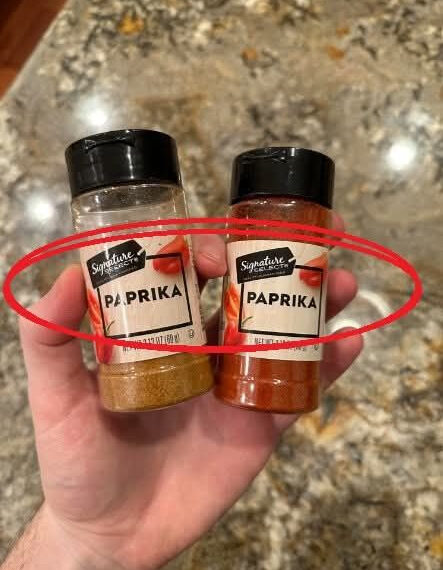
At its core, paprika is made from dried and ground peppers, specifically varieties of the Capsicum annuum plant. Unlike chili powder, which may include other spices such as cumin or garlic powder, paprika is a pure pepper product, allowing its natural flavor to shine through. The peppers used are typically milder than the hot chili peppers, though some paprika varieties can have a notable kick depending on the pepper type used.
The process of making paprika involves several steps: harvesting ripe peppers, drying them (either naturally in the sun or using specialized drying equipment), and grinding them into a fine powder. Some varieties are smoked over oak or other woods to create a unique, deep flavor, while others are kept sweet and mild. The final product can range in color from deep crimson to bright orange-red, influenced by the specific pepper varieties and the drying process used.
The Origins and History of Paprika
Paprika has a rich history that dates back centuries. It is believed to have originated in Central America, where indigenous peoples cultivated peppers for both culinary and medicinal purposes. Following the exploration of the Americas, peppers were introduced to Europe, where they quickly became integrated into local cuisines.
Hungary, in particular, is renowned for transforming paprika into a cultural icon. Hungarian paprika is often considered the gold standard, prized for its delicate balance of sweetness, smokiness, and mild heat. Today, paprika is associated with a variety of global cuisines, including Spanish, Hungarian, Moroccan, and even American Southern cooking.
Varieties of Paprika
Not all paprika is created equal. There are several key types, each offering distinct flavors and heat levels:
- Sweet Paprika – Mild and slightly sweet, this type is often used as a garnish or to enhance dishes without adding heat. It is the most common variety found in grocery stores.
- Hot Paprika – Contains more capsaicin, giving it a spicier kick. Ideal for stews, rubs, and dishes requiring both flavor and heat.
- Smoked Paprika (Pimentón) – Made by smoking peppers over wood before grinding, it has a deep, earthy flavor and is often used in Spanish cuisine.
- Hungarian Paprika – Ranges from mild to hot and is known for its rich color and sweet undertones. Varieties include Noble Sweet (Édesnemes), Rose (Rózsa), and Exquisite (Félédes).
- Spanish Paprika – Often labeled as “pimentón,” it can be sweet, bittersweet, or hot and is integral to chorizo, paella, and other traditional dishes.
Understanding the type of paprika you are using is crucial for achieving the desired flavor in your recipes.
Culinary Uses of Paprika
Paprika is celebrated for its versatility. Beyond its striking red color, it adds a depth of flavor to a variety of dishes. Common uses include:
- Stews and Soups – Paprika is essential in dishes like goulash, chicken paprikash, and lentil soup.
- Meat Rubs and Marinades – Its rich flavor enhances grilled meats, chicken, pork, and fish.
- Vegetable Dishes – Roasted potatoes, bell peppers, and eggplant benefit from a sprinkle of paprika.
- Egg Dishes – Hard-boiled eggs or deviled eggs often feature paprika as a garnish to enhance visual appeal and flavor.
- Rice and Grain Dishes – Paprika adds a smoky or sweet undertone to dishes like paella or pilafs.
Because paprika is mild in many varieties, it can be used generously to season foods without overwhelming them with heat.
The Science Behind Paprika’s Flavor and Color
The vibrant red color of paprika is due to natural pigments called carotenoids, including capsanthin and capsorubin. These compounds not only provide visual appeal but also contribute to antioxidant properties. The flavor profile comes from a combination of volatile oils, sugars, and capsaicin content in the pepper.
Sweet paprika is typically lower in capsaicin, while hot varieties have higher concentrations, giving them their spicy kick. Smoked paprika derives much of its unique aroma from phenolic compounds created during the smoking process, which infuse the peppers with earthy, smoky notes.
Health Benefits of Paprika
Paprika is not just a flavorful addition to food—it also offers a variety of health benefits. These include:
- Rich in Antioxidants – The carotenoids and other phytonutrients in paprika help fight free radicals, reducing oxidative stress and supporting overall health.
- Anti-Inflammatory Properties – Certain compounds in paprika may help reduce inflammation in the body.
- Boosts Digestion – Paprika can stimulate saliva production and aid in digestion.
- Supports Eye Health – The carotenoids, particularly beta-carotene, are beneficial for vision and eye health.
- Heart Health – Capsaicin in hot paprika varieties may help improve circulation and reduce blood pressure.
Incorporating paprika into meals is an easy way to enhance flavor while reaping nutritional benefits.
Tips for Storing Paprika
Proper storage is essential to maintain the flavor, color, and potency of paprika. Tips include:
- Keep it in a Cool, Dark Place – Exposure to heat and light can degrade the color and flavor over time.
- Use Airtight Containers – This prevents moisture and air from affecting the spice.
- Avoid Freezing – While some spices can be frozen, paprika’s delicate oils may lose flavor if frozen and thawed.
- Use Fresh for Maximum Flavor – Like most ground spices, paprika is best used within 6–12 months for optimal taste.
Common Mistakes When Using Paprika
Even seasoned cooks can make mistakes when incorporating paprika into their dishes. Common errors include:
- Cooking at High Heat – Overheating paprika can cause it to become bitter. Add it toward the end of cooking when possible.
- Using Old Paprika – Stale paprika loses both flavor and vibrant color.
- Confusing Paprika with Chili Powder – Chili powder often contains additional spices; paprika alone is milder and sweeter.
- Overlooking Smoked vs. Sweet Varieties – Smoked paprika can drastically change the flavor of a dish if used in place of sweet paprika.
Understanding the nuances of paprika allows you to use it effectively and creatively in recipes.
Click page 2 for more