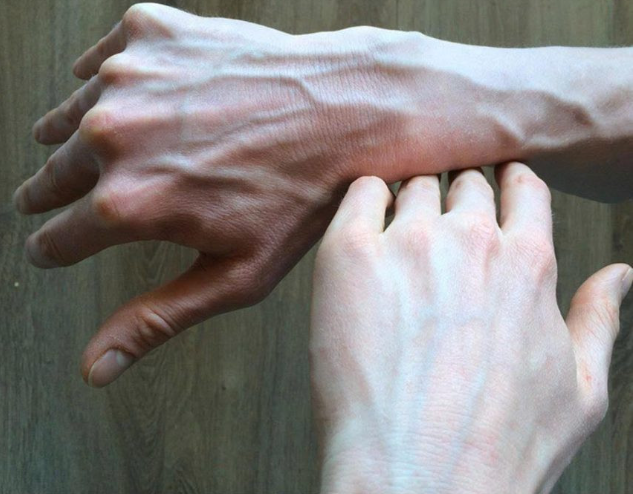
Bulging veins, also referred to as prominent or visible veins, are a condition that many people notice at some point in their lives. They can appear on the arms, legs, hands, or other parts of the body and can raise questions about health, fitness, or aging. While in many cases bulging veins are harmless and purely cosmetic, there are circumstances where they may indicate underlying health issues. Understanding the causes, types, and possible treatments is essential for anyone noticing this change in their veins.
What Are Bulging Veins?
Bulging veins are veins that become more visible, raised, or enlarged than usual. In some cases, they appear as blue or green lines under the skin and can be soft or firm to the touch. Veins are blood vessels that carry blood back to the heart, and when they become more noticeable, it is often due to changes in blood flow, pressure, or vein wall integrity.
Visible veins can affect anyone but are more common in certain age groups, body types, and lifestyles. They are often more noticeable in people with fair or thin skin, low body fat, or high levels of physical activity.
Common Causes of Bulging Veins
1. Genetics
Genetics play a major role in vein appearance. Some people naturally have thinner skin or weaker vein walls, which makes veins more visible. If close family members have prominent veins, you are more likely to develop them as well.
2. Age
As people age, skin loses elasticity and subcutaneous fat decreases, making veins more apparent. Aging also affects the valves within veins, potentially causing minor vein dilation over time.
3. Exercise and Physical Activity
Exercise can temporarily make veins bulge. During weightlifting, running, or other vigorous activities, blood flow increases to working muscles. This causes veins to expand to accommodate the increased blood volume—a phenomenon often referred to as the “pump.”
- Weightlifters and bodybuilders often have highly visible veins due to low body fat and increased vascularity.
- Endurance athletes may develop long-term vascular prominence from repeated cardiovascular training.
4. Low Body Fat
Thin individuals with low body fat often have more visible veins because there is less fat to conceal them. This is especially noticeable on arms, hands, and legs.
5. Hormonal Changes
Hormones can affect vein health and visibility. For example, pregnancy can increase blood volume and pressure on veins, leading to temporary bulging, especially in the legs.
6. Temperature
Heat can cause veins to dilate, making them appear larger. This is why veins are often more visible in hot weather or after a warm shower.
7. Vein Disorders
Some vein issues can lead to persistent bulging and discomfort:
- Varicose veins: Enlarged, twisted veins, usually in the legs, often accompanied by pain or heaviness.
- Chronic venous insufficiency: A condition where vein valves do not function properly, causing blood to pool and veins to bulge.
- Blood clots or deep vein thrombosis (DVT): Rarely, sudden vein enlargement may signal a serious issue requiring immediate medical attention.
When Bulging Veins Are Harmless
In most cases, bulging veins are benign. You may notice them:
- On arms or hands during exercise
- On legs after standing for long periods
- Due to naturally low body fat
- As part of aging or genetic predisposition
These veins usually do not cause pain or complications and are often a cosmetic concern rather than a medical one.
Signs You Should Seek Medical Advice
While many bulging veins are harmless, certain symptoms require evaluation:
- Swelling, redness, or warmth around the vein
- Persistent pain, throbbing, or heaviness in the limb
- Rapidly appearing veins without a clear cause
- Skin changes like ulcers, discoloration, or sores
- Veins that bulge more over time or are accompanied by fatigue in the legs
These could indicate varicose veins, clotting issues, or other circulatory problems. A healthcare professional can assess vein health and recommend treatment if necessary.
Lifestyle and Home Remedies
Even when bulging veins are harmless, certain habits can reduce discomfort and prevent worsening:
1. Regular Exercise
Exercise promotes healthy circulation. Walking, swimming, cycling, and other cardiovascular activities improve blood flow and help prevent blood pooling in the veins.
2. Maintain a Healthy Weight
Excess weight increases pressure on leg veins, contributing to bulging and varicose veins. Maintaining a healthy weight reduces this strain.
3. Elevate Your Legs
If you have prominent veins in your legs, elevating your legs periodically helps blood flow back toward the heart and reduces pressure in lower limb veins.
Click page 2 for more