A Deep, Practical Guide to Restoring Your Baking Trays Without Ruining Them
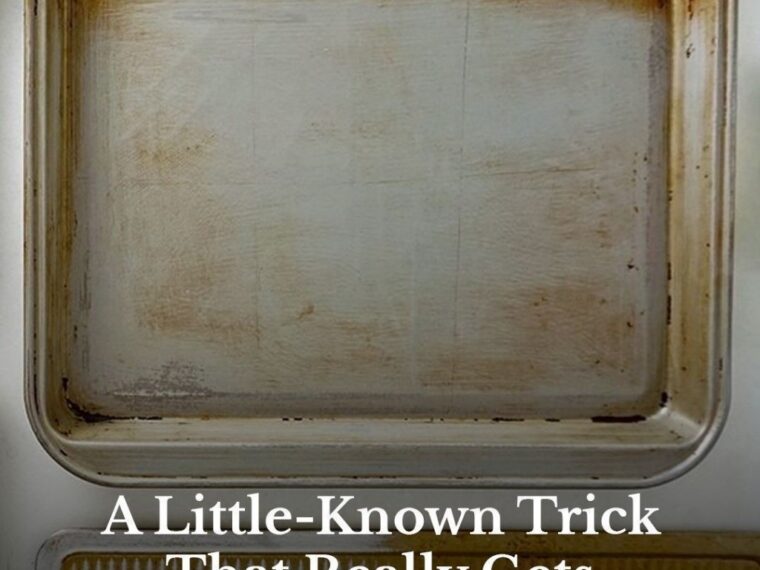
Few kitchen objects inspire as much quiet frustration as a sheet pan. It starts innocent enough: a drizzle of oil, a handful of vegetables, a quick roast in a hot oven. Then time passes. The oil polymerizes. Sugars caramelize. Proteins bond to metal. What was once a clean, shiny pan becomes mottled, darkened, and coated with a stubborn layer of baked-on gunk that refuses to budge.
At that point, many people resign themselves to the idea that sheet pans are supposed to look dirty. Others attack them with steel wool, harsh chemicals, or endless scrubbing—often damaging the pan more than helping it. The truth lies somewhere in between.
Sheet pans are workhorses, not disposable items. With the right methods, patience, and understanding of what you’re actually trying to remove, even the most stubborn baked-on residue can be lifted without destroying the pan’s surface or your sanity.
This article goes far beyond quick tips. It explains why baked-on gunk forms, why some methods work while others fail, and how to choose the best and easiest cleaning strategy depending on the pan material, the type of residue, and how much time and effort you want to invest. By the end, you’ll not only know how to clean sheet pans—you’ll understand them.
Why Sheet Pans Get So Dirty in the First Place
Before jumping into cleaning methods, it helps to understand the enemy.
Baked-on gunk is not just “dirt.” It’s a complex combination of:
- Fats and oils that have oxidized and polymerized
- Sugars that have caramelized and hardened
- Proteins that have bonded to metal at high heat
- Tiny food particles that carbonize over repeated use
When these substances are exposed to oven temperatures, they undergo chemical changes that make them stick aggressively to metal surfaces. Water alone won’t remove them because they are no longer water-soluble. Scrubbing alone often spreads the problem or scratches the pan.
Cleaning becomes easier when you stop thinking in terms of “scrub harder” and start thinking in terms of breaking bonds.
The Big Mistake: Treating All Sheet Pans the Same
Not all sheet pans are created equal, and cleaning them the same way is one of the fastest ways to ruin them.
Common sheet pan materials include:
- Aluminum (bare or anodized)
- Stainless steel
- Nonstick-coated pans
- Aluminized steel
Each material reacts differently to acids, abrasives, heat, and soaking. A method that works beautifully on stainless steel can permanently damage aluminum. Something safe for aluminum may do nothing for stainless steel.
The best cleaning method is always the one that matches the pan.
The Easiest First Step: Heat and Time
The simplest, least aggressive approach should always come first.
Hot Water Soak (Underrated but Effective)
As soon as the pan is cool enough to handle—but still warm—fill it with very hot water and let it soak. Heat causes metal to expand slightly and softens residue, while water begins to penetrate microscopic gaps between the gunk and the pan surface.
For lightly baked-on residue, this alone can make cleanup trivial.
Add a few drops of dish soap to help break down surface grease, but don’t expect soap to do all the work. The real power here is time.
Soak for at least 30 minutes. For tougher buildup, several hours or overnight can make a noticeable difference.
This step costs almost nothing and often reduces the effort needed later by half.
Baking Soda: The Universal Sheet Pan Savior
If one ingredient deserves a permanent place in every kitchen cleaning arsenal, it’s baking soda.
Why Baking Soda Works
Baking soda is mildly alkaline, which helps neutralize acidic residues and loosen fatty compounds. It is also a gentle abrasive, meaning it scrubs without gouging most pan surfaces when used correctly.
It doesn’t rely on fumes, harsh chemicals, or strength—just chemistry and patience.
The Baking Soda Paste Method
For moderately dirty pans, this is often the best balance of effectiveness and safety.
Sprinkle baking soda generously over the affected areas. Add just enough water to create a thick paste. Spread it evenly, making sure all baked-on areas are covered.
Now wait.
This is where many people fail—they scrub immediately. Resist that urge. Let the paste sit for at least one hour. Overnight is even better for heavily stained pans.
As the paste dries, it works to break down the hardened residue. When you return, use a non-scratch sponge or nylon brush to scrub. Most of the gunk will lift with minimal effort.
This method is safe for aluminum, stainless steel, and most nonstick pans when done gently.
Baking Soda and Vinegar: When You Need Extra Power
This is the most famous cleaning combination on the internet—and for good reason—but it’s often misunderstood.
What’s Really Happening
When baking soda (a base) meets vinegar (an acid), they react and fizz. That fizzing action helps lift residue mechanically, while the acid helps dissolve mineral deposits and stubborn bonds.
The key is sequence.
The Correct Way to Use Them Together
First, coat the pan with baking soda. Then spray or drizzle vinegar over it. Let it fizz and bubble. Don’t scrub yet.
Allow the reaction to finish and the mixture to sit for 15–30 minutes. After that, scrub gently.
This method works especially well on stainless steel and heavily stained aluminum pans, but it should be used cautiously on nonstick surfaces. Always avoid metal scrubbers.
Boiling Water on the Pan: The Lazy Genius Method
When the residue is thick but localized, boiling water can do what scrubbing cannot.
Place the sheet pan directly on the stovetop if it fits. Add water to cover the stained area and bring it to a gentle boil. The heat rehydrates and loosens baked-on residue from the bottom up.
After 10–15 minutes, remove from heat, let cool slightly, and scrape gently with a wooden or silicone spatula.
Click page 2 to continue