The Real Causes, What It Means for Your Home, and How to Remove It Properly
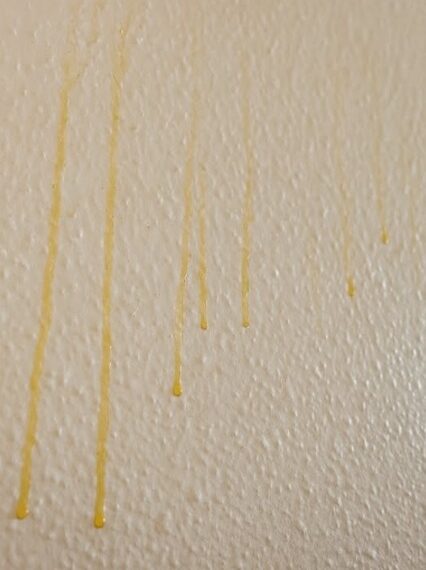
Yellow residue on bathroom walls is one of those problems that feels confusing and unsettling. It doesn’t look like classic black mold. It doesn’t always smell bad. Sometimes it appears slowly, like a faint discoloration. Other times, it shows up as sticky streaks, yellowish film, or patchy stains that seem to return no matter how often you clean.
Many people assume it’s dirt, poor cleaning habits, or cheap paint. Others worry it might be mold or something unhealthy. The truth is more nuanced—and understanding the real cause is the key to getting rid of it permanently instead of fighting the same stains over and over again.
Yellow residue on bathroom walls is rarely random. It is almost always the visible result of moisture interacting with substances in the air, water, or wall materials. Once you understand what’s happening chemically and environmentally, the mystery disappears—and so does the residue.
Why Bathrooms Are Especially Prone to Yellow Residue
Bathrooms are the most moisture-heavy rooms in a home. Hot showers produce steam that condenses on walls, ceilings, tiles, and paint. When that moisture mixes with airborne particles or minerals in water, residue forms.
Unlike kitchens, where grease is the main culprit, bathrooms deal with:
- Steam and condensation
- Minerals from hard water
- Cleaning product buildup
- Body oils and soap residue
- Poor ventilation
Yellow residue is often the combination of several factors rather than a single cause.
The Most Common Reason: Hard Water Minerals
One of the most frequent causes of yellow residue is hard water.
Hard water contains high levels of minerals, mainly calcium, magnesium, and iron. When hot water evaporates from bathroom walls, these minerals are left behind as residue.
Iron is the key suspect when stains appear yellow, orange, or rust-colored.
Over time, repeated exposure creates:
- Yellow streaks down walls
- Patchy stains near showers and bathtubs
- A slightly rough or chalky texture
These stains are not dirt. They are mineral deposits bonded to the surface.
Soap Scum Turning Yellow Over Time
Soap scum is another major contributor, and it doesn’t always stay white.
Soap scum forms when soap reacts with minerals in water. Initially, it appears gray or white. But over time, as it mixes with body oils, shampoo residue, and minerals, it can oxidize and turn yellow.
This is especially common on:
- Painted bathroom walls
- Textured surfaces
- Areas near shower spray but not directly rinsed
Soap scum residue often feels:
- Slightly sticky
- Waxy
- Slippery when wet
It also attracts more dirt, creating a cycle where stains return faster each time.
Moisture + Poor Ventilation = Residue Build-Up
Even if you clean regularly, poor ventilation allows moisture to linger on walls for hours.
When water sits on surfaces too long:
- Minerals crystallize
- Residues harden
- Organic matter binds to paint or plaster
Bathrooms without windows or with rarely used exhaust fans are especially vulnerable. The residue may not appear immediately after showers, but builds gradually and becomes visible weeks later.
Paint and Wall Materials Reacting to Humidity
In some cases, the yellow residue isn’t coming from the water—it’s coming from the wall itself.
Certain paints and wall materials can release yellowish compounds when exposed to moisture and heat. This is more common with:
- Low-quality or old paint
- Oil-based paints
- Walls previously exposed to smoke or grease
- Poorly sealed plaster or drywall
The moisture pulls these compounds to the surface, where they appear as yellow stains. Cleaning alone won’t stop this unless the wall is properly sealed and repainted.
Nicotine or Smoke Residue (Even From the Past)
If the home was ever exposed to cigarette smoke—even years ago—moisture can reactivate nicotine residue trapped in walls.
Bathrooms make this visible faster because steam dissolves the residue and pulls it to the surface.
This type of yellowing:
- Appears streaky
- Has a sticky feel
- Often returns quickly after cleaning
Even homes where no one currently smokes can show this if previous occupants did.
Is It Mold? Usually No—but Sometimes Related
Yellow residue is not usually mold, but moisture-related conditions that cause residue can also allow mold to grow nearby.
Mold tends to:
Click page 2 to continue