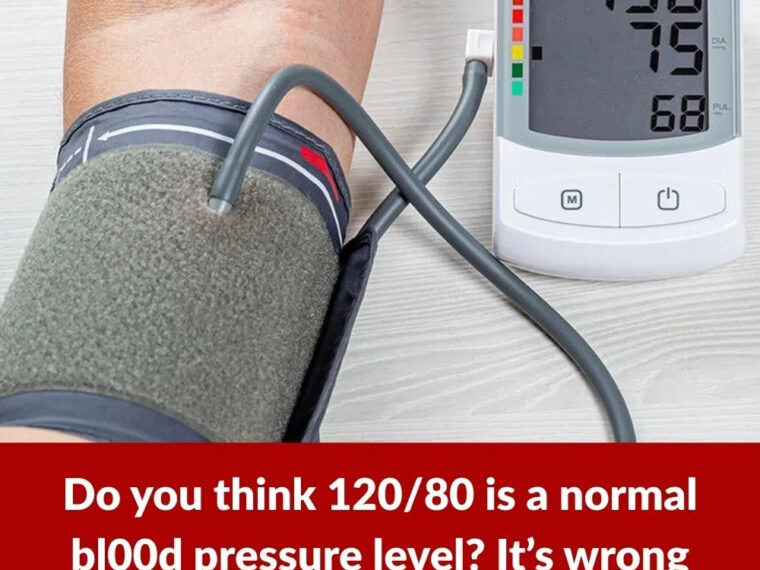
A Complete, In-Depth Guide to Understanding Blood Pressure Across the Lifespan
Blood pressure is one of the most important indicators of overall health, yet it’s also one of the most misunderstood. Many people assume there is a single “normal” number that applies to everyone. In reality, blood pressure changes with age, physical condition, lifestyle, and even emotional state.
Understanding what is considered normal at different stages of life can help you protect your heart, brain, kidneys, and blood vessels for decades to come.
In this comprehensive guide, we will explore:
- What blood pressure actually measures
- How it changes from childhood to older adulthood
- What is considered normal at each age
- When numbers become concerning
- Why age-specific trends matter
- How to maintain healthy blood pressure long term
This article goes beyond simple charts and explains the science, physiology, and risk patterns behind blood pressure values.
Understanding Blood Pressure: What the Numbers Really Mean
Blood pressure measures the force of blood pushing against the walls of your arteries.
When your heart beats, it pumps blood into your arteries. That pressure is called systolic pressure — the top number.
When your heart relaxes between beats, the pressure in your arteries drops. That is diastolic pressure — the bottom number.
For example:
120 / 80 mmHg
- 120 = systolic
- 80 = diastolic
- mmHg = millimeters of mercury (unit of measurement)
Both numbers matter. But they represent different phases of heart function.
Why Blood Pressure Changes With Age
As we age:
- Arteries gradually lose elasticity
- Blood vessels stiffen
- Hormonal balance shifts
- Kidney function may change
- Lifestyle patterns accumulate
These changes influence how blood flows and how much force it exerts on arterial walls.
In younger individuals, arteries are more flexible. In older adults, arteries become less compliant, often causing systolic pressure to rise.
However, that does not mean high blood pressure is “normal” with age.
It means risk increases — and monitoring becomes more important.
Blood Pressure in Children and Adolescents
Newborns (0–1 month)
Typical range:
60–90 systolic
30–60 diastolic
Newborn blood pressure is naturally low because their circulatory system is still developing.
The heart muscle and blood vessels are smaller and softer.
Low blood pressure in newborns is normal unless accompanied by symptoms such as poor feeding or lethargy.
Infants (1 month–1 year)
Typical range:
80–100 systolic
50–65 diastolic
As infants grow, blood pressure gradually increases due to expanding blood volume and stronger heart contractions.
Toddlers and Young Children (1–5 years)
Typical range:
90–105 systolic
55–70 diastolic
Children’s blood pressure is generally lower than adults.
It varies depending on:
- Height
- Weight
- Gender
In pediatric medicine, percentiles are often used instead of fixed cutoffs.
Children (6–12 years)
Typical range:
95–110 systolic
60–75 diastolic
By school age, blood pressure begins approaching early adolescent levels.
Childhood hypertension is increasing globally due to:
- Obesity
- Sedentary lifestyle
- High-sodium diets
Early detection is important because childhood hypertension can track into adulthood.
Teenagers (13–18 years)
Typical range:
110–120 systolic
65–80 diastolic
By adolescence, blood pressure begins to resemble adult values.
Guidelines now generally consider:
Less than 120 / 80 mmHg = Normal for teens
If teens consistently measure above 130 / 80, evaluation may be necessary.
Blood Pressure in Young Adults (18–39 Years)
Typical optimal range:
90–120 systolic
60–80 diastolic
For young adults, ideal blood pressure is:
Around 110–120 systolic
Around 70–80 diastolic
This is considered optimal cardiovascular health.
What Is Considered Elevated?
120–129 systolic
Below 80 diastolic
This is categorized as “elevated” blood pressure.
It is not hypertension yet — but it is a warning stage.
Stage 1 Hypertension
130–139 systolic
OR 80–89 diastolic
Even in young adults, sustained readings in this range require attention.
Early intervention can prevent long-term complications.
Blood Pressure in Middle Age (40–59 Years)
This is when blood pressure tends to rise most significantly.
Arteries begin to stiffen naturally.
Hormonal changes — especially around menopause — can influence blood pressure.
Typical healthy range remains:
Below 120 / 80 mmHg
However, many adults in this age group begin measuring:
120–129 systolic (elevated)
Or develop Stage 1 hypertension.
Why Systolic Pressure Rises More With Age
Systolic pressure increases because:
- Arterial walls lose elasticity
- Plaque buildup narrows arteries
- The heart must pump harder
Diastolic pressure often plateaus or slightly declines after age 50.
This leads to a condition called isolated systolic hypertension, common in older adults.
Blood Pressure in Older Adults (60+ Years)
There has been debate about what is “normal” for older adults.
Historically, higher systolic values were considered acceptable with aging.
Modern guidelines are more cautious.
Current recommendations:
Target below 130 / 80 mmHg for most healthy adults over 60
However, individualized care matters.
For frail or very elderly patients, slightly higher targets may sometimes be tolerated to avoid dizziness or falls.
Is 140 / 90 Normal at Age 70?
No — it is not considered ideal.
It may be common.
But common does not mean healthy.
Long-term readings above 140 / 90 increase risk of:
- Stroke
- Heart attack
- Kidney disease
- Cognitive decline
Blood Pressure Categories for Adults (All Ages 18+)
Click page 2 to continue