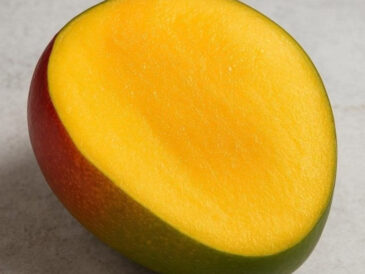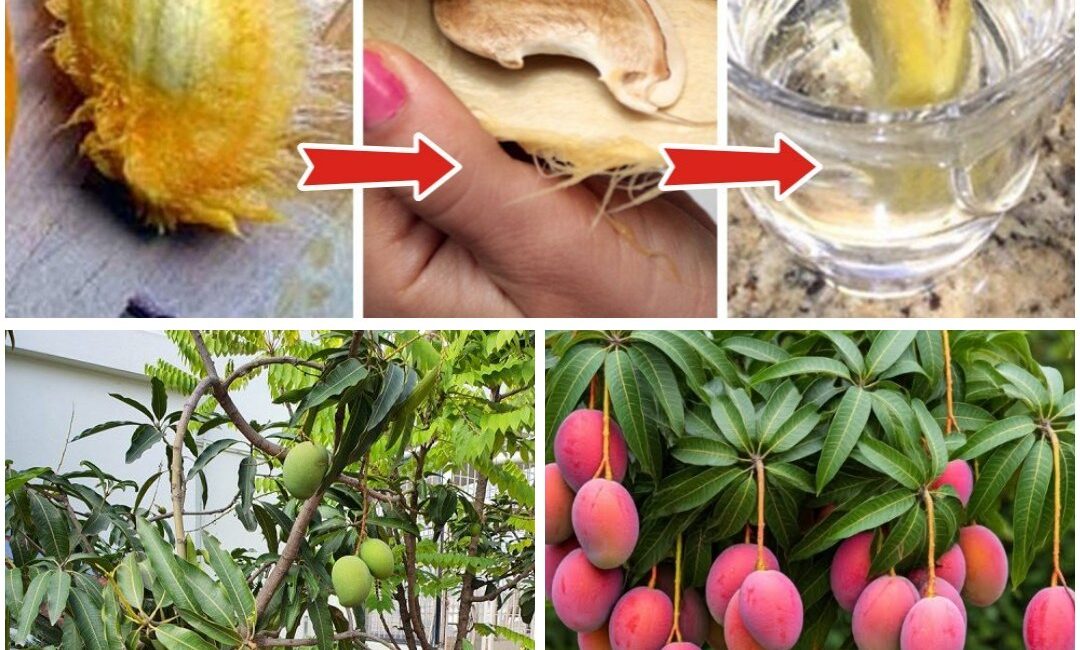
Mangoes are among the most loved tropical fruits: sweet, juicy, fragrant, and loaded with flavor. To eat mangoes fresh from the tree or simply enjoy a lush mango seedling in your home, growing a mango from seed is one of the most rewarding experiences. Even if you don’t have tropical soil or a large yard, you can grow a mango tree in a pot if you take the right steps.
This full guide will walk you through everything: selecting the seed, germinating it correctly, choosing the right pot and soil, caring for the young tree, moving it forward to maturity, dealing with temperature, pruning, pests, fruiting, and more. By following these steps, you can freely enjoy your own mango tree in a container—even in climates that aren’t fully tropical.
Table of Contents
- Why Grow a Mango from Seed in a Pot?
- Selecting the Right Mango Seed
- Prepping the Seed for Germination
- Germination Process (Step by Step)
- Choosing the Right Pot & Soil Mix
- Planting the Germinated Seedling
- Caring for the Young Mango Tree (Water, Light, Temperature)
- Feeding and Fertilizing in Pots
- Pruning, Training, and Managing Plant Size
- Dealing with Pests and Problems
- When and How it May Fruit, and Fruit Quality
- Winter Care and Container Management
- Common Mistakes and Solutions
- Conclusion & Tips for Success
1. Why Grow a Mango from Seed in a Pot?
Growing a mango from seed in a pot has many advantages:
- Cost‑effective: Seeds are free from fruits you buy.
- Fun and educational: Watching germination and early growth is rewarding.
- Control: You manage soil, water, light, and environment more easily.
- Flexibility: Pots can be moved indoors in cold weather, placed outside when warm.
- Decorative: Young mango trees have attractive foliage and can be beautiful as houseplants.
Of course, growing in a pot means certain trade‑offs: slower growth than in ground, possible limits to how large the tree can get, and more maintenance. But the joy and results are well worth it.
2. Selecting the Right Mango Seed
The first step is to choose a good seed. Not every mango seed germinates the same, and the variety influences flavor, disease resistance, size, and how soon it might fruit.
What to look for:
- Use a ripe, healthy mango with good flavor and appearance.
- The fruit should be free of rot, fungus, or heavy bruising.
- When you cut it open, the seed pit (kernel) inside should be firm, fully developed—not shriveled or flat.
- If possible, choose a variety known to do reasonably well in container or climate similar to yours (though many will adapt).
Seed types:
- Monoembryonic seeds produce a seedling that differs genetically from the parent. It may have varied flavor or fruiting traits.
- Polyembryonic seeds sometimes produce clones of the parent plus other seedlings. These seedlings sometimes behave more predictably.
Either type can work; just understand that fruit quality may vary and you might need to wait longer for fruit.
3. Prepping the Seed for Germination
Once you have your seed, you need to extract it, clean it, and prepare it so it has the best chance of germinating.
Steps:
- Remove pulp: Wash off all mango flesh from around the seed. Use a brush or rinse under clean water. Any leftover fruit can rot or encourage mold.
- Open the husk (if needed): Mango seed pits come inside a hard shell (husk). Carefully remove the husk to expose the seed inside without damaging it. Use a knife carefully, or press gently to crack open. Be wary not to hurt the seed embryo inside.
- Dry briefly: Let the seed dry a few hours (not days) to allow handling without fungal issues. Avoid letting it dry out too long because the seed loses viability if exposed too long without moisture.
4. Germination Process (Step by Step)
Germination is the phase where the seed sprouts. A successful root and shoot must emerge before you plant in soil.
Method A: Paper towel method
- Place the seed inside a moist (not dripping) paper towel.
- Fold the towel around the seed and place in a plastic bag or container, leaving slight vent for air.
- Keep the container warm (around 25‑30°C / 77‑86°F), in a warm spot but out of direct harsh sunlight.
- Check every few days. Mist if towel begins to dry. Within 1‑3 weeks (sometimes sooner), root should begin to emerge.
Method B: Direct in soil
- Use a small pot with well‑draining soil mix.
- Plant the seed with root side down (if visible) about 2‑3 cm deep.
- Water lightly, cover pot with plastic wrap or dome to retain moisture until germination.
- Keep soil moist and temperature warm.
Either way works; paper towel isolation reduces risk of rot or soil diseases early, while planting directly in soil gives root space from the start.
5. Choosing the Right Pot & Soil Mix
When your seed germinates and develops into a seedling, you’ll need to move it into a pot suited for growth.
Pot size
- Start with a small/medium pot (1‑3 gallons / ~4‑12 liters) to accommodate growth.
- As the tree grows, you’ll need to repot into larger pots to prevent root binding.
Pot material
- Use pots with good drainage—terracotta, plastic, ceramic are options. Terracotta breathes better, but dries faster (so watering must be more frequent). Plastic retains moisture but may heat up more in direct sun.
Soil mix
- Mangoes need well‐draining soil. A mix of garden soil, compost, and coarse sand or perlite works well.
- Soil should be loose, rich in organic matter, slightly acidic to neutral pH (around 5.5‑7.0).
- Add compost or well‑rotted manure to supply nutrients. Avoid heavy clay soil in pots — it holds water and reduces oxygen to roots.
Drainage
- The pot must have drainage holes to let extra water escape.
- Use a tray underneath to catch runoff if indoors.
6. Planting the Germinated Seedling
Once roots and a shoot are visible, planting into pot properly is key.
Planting steps:
- Fill your pot about two thirds full with soil mix.
- Make a small depression for the seedling. Place it so the root is gently spread out, not curled.
- Cover root and base of stem with soil; leave enough stem above soil so leaves don’t touch soil (prevents rot).
- Firm gently and water thoroughly so soil settles.
Positioning
- Place the pot in a location with bright, indirect light at first, then gradually more direct sun as plant strengthens.
- Indoor plants benefit from sunniest south/west facing windows (if available); outdoors, ensure morning sun and some afternoon shade, especially in hot climates.
7. Caring for the Young Mango Tree (Water, Light, Temperature)
Young mango trees in pots are sensitive. You’ll need to balance moisture, light, and temperature.
Light
- Mango needs plenty of sunlight: ideally 6‑8 hours a day.
- Indoors, supplement with grow lights if natural light is limited.
Watering
- Keep soil evenly moist—not waterlogged. Overwatering leads to root rot; underwatering causes stress.
- Water deeply, allowing water to soak through the pot; let excess run off. Then wait until top inch or so of soil begins to dry before watering again.
Temperature & Humidity
- Mangoes like warmth. Daytime temperatures around 75‑85°F (24‑29°C) and night not dropping below around 60‑65°F (15‑18°C) are ideal.
- Avoid sharp temperature swings (cold drafts, unheated rooms, frost).
- In dry indoor air, mist leaves or place humidifier nearby; mango trees like relatively high humidity.
click page 2 to continue