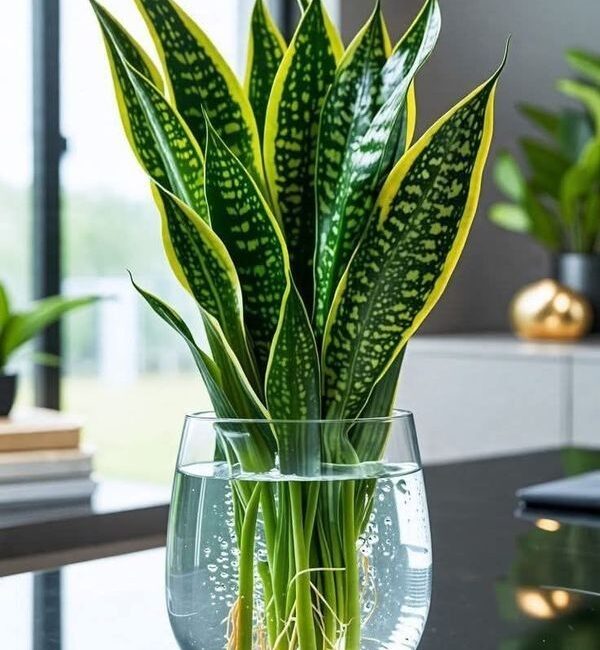
Mother‑in‑Law’s Tongue—also widely known as Snake Plant, Sansevieria, or in some places, Viper’s Bowstring Hemp—is one of the most beloved indoor plants. It’s famous for its bold, upright leaves, its tolerance of low light, and almost legendary ease of care. But many people are satisfied just keeping it alive. What if you want yours not just to survive, but to thrive—and even bloom? Yes, this resilient plant can produce flowers under the right conditions, and with the right care its leaves can be richer, glossier, stronger, greener and more structured than you’ve ever seen.
In this guide, you’ll discover exactly how to multiply Mother‑in‑Law’s Tongue in your space, nurture it fully, and hopefully encourage rare but beautiful blooms. We’ll cover everything: environment, soil, watering, light, feeding, pruning, potting, and secrets of bloom promotion.
Table of Contents
- Understanding Mother‑in‑Law’s Tongue: Nature & Bloom Habits
- Choosing The Right Variety
- Pot and Soil: The Foundation for Healthy Growth
- Light Requirements: Balancing Bright and Low Light
- Watering Techniques: When & How Much
- Fertilization and Nutrition: Feeding for Strength and Flowering
- Humidity and Temperature: Comfort Zones
- Pruning, Cleaning, and Outside Care
- Triggering Bloom: What Makes a Snake Plant Flower
- Propagation: Increasing Your Number Of Plants
- Handling Common Problems: Pests, Rot, Leaf Issues
- Seasonal Care: Adapting Year‑Round
- Display Ideas & Aesthetic Presentation
- Final Tips for Beautiful, Blooming Plants
1. Understanding Mother‑in‑Law’s Tongue: Nature & Bloom Habits
Mother‑in‑Law’s Tongue is a succulent-like plant native to dry climates. Thick, leathery leaves store moisture; its roots are designed to withstand drought; its structure grows vertically. In its home habitat, it sometimes blooms—producing clusters of delicate, tubular blossoms that are often fragrant, typically white or greenish, sometimes yellowish.
Indoors, blooming is far less common. The plant chooses to bloom only when it feels safe, established, and relatively undisturbed. Blooming is a sign of excellent health: strong root system, proper light, mild stress (but not too much), and stable environment. So to aim for bloom, you need to set up many conditions just right.
2. Choosing The Right Variety
Not all snake plants are exactly the same. Some varieties bloom more readily, or have more striking leaves. Before you begin care, picking a good variety helps.
- Sansevieria trifasciata “Laurentii” — wide leaves with yellow edges
- Sansevieria trifasciata “Moonshine” — pale green almost silvery leaves
- Sansevieria trifasciata “Black Gold” — dark green with gold edges
- Sansevieria cylindrica — round pencil‑like leaves
- Sansevieria hahnii (bird’s nest snake plant) — compact rosette form
If you can, choose a plant somewhat mature (at least medium size) and healthy to start. Young plants may take longer to bloom.
3. Pot and Soil: The Foundation for Healthy Growth
A plant’s container and soil mix are absolutely essential for its root health, which underpins everything—leaf quality, resilience, and bloom potential.
Pot Size
- Start with a pot that gives ample soil but is not too large. Snake plants prefer somewhat snug roots—overpotting delays blooming because plant’s energy goes into root expansion rather than flowering.
- When repotting, increase pot size gradually. Usually once every 2‑3 years is okay for larger varieties.
Pot Type & Drainage
- Use pots with drainage holes. Water must drain freely to avoid waterlogging.
- Terracotta or unglazed ceramic are excellent—they breathe, helping moisture evaporate safely.
- If using plastic pots, ensure soil dries and air circulates well.
Soil Mix
- A well draining soil is crucial. Mixes should include grit, sand, or perlite. Typical soil: standard potting soil + coarse sand + perlite or pumice.
- Some growers use cactus or succulent mix, with extra drainage material.
- Avoid heavy soils; soils with too much organic matter stay soggy and risk root rot.
4. Light Requirements: Balancing Bright and Low Light
Light is one of the biggest levers to pull if you want healthy snake plants and possible blooms.
- Mother‑in‑Law’s Tongue tolerates low light, but from personal experience, bright indirect light is better if you want strong growth and flowering.
- A spot near an east or west window is often ideal. Morning or late afternoon sunlight filtered through a curtain works well.
- Avoid harsh midday sun through a southern window without shading—leaves may scorch.
- If indoor lighting is weak, you might supplement with grow lights. Even a modest LED grow tube or panel can make a difference.
5. Watering Techniques: When & How Much
Getting moisture right is critical. Both overwatering and underwatering can harm root health, hinder growth, and prevent bloom.
Watering Frequency
- Let soil dry between waterings. Snake plants like to dry out a little on top before next watering.
- In growing season (spring and summer), water more frequently but still ensure drainage.
- In dormant periods (late fall and winter), reduce watering. Only water enough to keep soil from completely drying edges, never flooding.
Watering Method
- Water thoroughly, allowing excess to drain out bottom. Discard water that sits in saucer after feeding to avoid soggy roots.
- Use room‐temperature water. Cold water can shock roots.
Signs of Overwatering or Underwatering
- Overwatering: soggy soil, mushy or brown base of leaves, rot smell.
- Underwatering: wrinkled or compressed leaves, dryness, brown tips.
Balance is key.
6. Fertilization and Nutrition: Feeding for Strength and Flowering
To reward you with lush leaves and possible flower stalks, feeding is essential when conditions allow.
When to Fertilize
- Best times are spring and summer, during active growth.
- Do not fertilize in winter when growth slows.
What to Use
- Use balanced houseplant fertilizer diluted to half‑strength. Something like a 10‑10‑10 or 8‑8‑8 works.
- Alternatively, slow‐release fertilizer can be used once monthly.
How Much
- A light feeding every 4‑6 weeks during growth season is often enough.
- Avoid overfertilization—too much nitrogen can lead to lush leafy growth but inhibit flowering and possibly damage roots.
Special Nutrients
- Occasional boost of phosphorus and potassium can help promote bloom. You might use a formula with slightly higher P & K in the bloom‑promotion phases.
- Trace elements (magnesium, iron) help keep leaves rich green.
7. Humidity and Temperature: Comfort Zones
Snake plants are tough, but giving them stable, comfortable environmental conditions helps them grow more vigorously and possibly bloom.
Temperature
- Ideal daytime temperatures: about 70‑85°F (21‑29°C).
- Night temperatures: above 55‑60°F (13‑16°C). Avoid cold drafts or letting them sit in temperatures below this for long.
Humidity
- Snake plants tolerate low humidity well. But moderate humidity (40‑60%) helps avoid brown edges and keeps leaf texture good.
- If your indoor air is very dry (winter heating, etc.), occasional misting or humidifier near the plant helps.
8. Pruning, Cleaning, and Outside Care
Taking care of the plant physically improves its appearance, helps prevent pests, and keeps energy flowing.
Leaf Cleaning
- Wipe leaves occasionally with soft damp cloth to remove dust. Clean surfaces allow better photosynthesis.
- Remove any dead or damaged leaves by cutting them at base.
Pruning Shape
click page 2 to continue