How to Use Hydrogen Peroxide for Stain Removal:
- Target specific stains: If you’re dealing with a specific stain, apply a small amount of 3% hydrogen peroxide directly to the spot and allow it to sit for about 10 minutes. Blot the stain with a clean cloth to lift it out. If the stain is stubborn, gently scrub it with a soft-bristled brush before washing.
- Deep clean whites: To brighten your whites or remove general discoloration, add 1/2 cup of hydrogen peroxide to your washing machine along with your regular detergent. This will boost the cleaning power, leaving your whites brighter and fresher without the harsh chemicals in traditional bleach.
- Tackle yellowing: Yellow stains—especially underarm stains—can be a nightmare to get rid of. Mix equal parts hydrogen peroxide, baking soda, and dish soap to form a paste. Apply the paste directly to the stain and let it sit for 15–30 minutes before washing.
Why Hydrogen Peroxide Works So Well
Hydrogen peroxide is effective because of its oxidizing properties. When it reacts with stains, it breaks them down into smaller particles that are easier to wash away. Unlike chlorine bleach, which can weaken fabric fibers over time, hydrogen peroxide is much gentler and doesn’t cause discoloration or damage if used in moderation.
Tip #3: Pre-treat Stains with Homemade Solutions Before Washing
If you want to be proactive about keeping your whites pristine, pre-treating stains before they go into the wash is one of the most effective strategies you can use. Whether it’s a spill, a smudge, or a spot from sweat, pre-treatment can help break down the stain before it sets, ensuring that it doesn’t get worse with time.
Here are some of the best homemade stain pre-treatment solutions you can whip up using basic ingredients from around your home:
1. Dish Soap and Baking Soda
Dish soap is excellent for cutting through grease and oils, while baking soda works as a gentle abrasive. This combination is especially great for greasy stains, food spills, and oil marks.
How to Use:
- Mix 1 tablespoon of dish soap with 2 tablespoons of baking soda and a small amount of warm water to form a paste.
- Apply the paste directly to the stain, then gently scrub with a soft brush or cloth.
- Let it sit for 15–20 minutes before washing.
2. Lemon Juice and Baking Soda
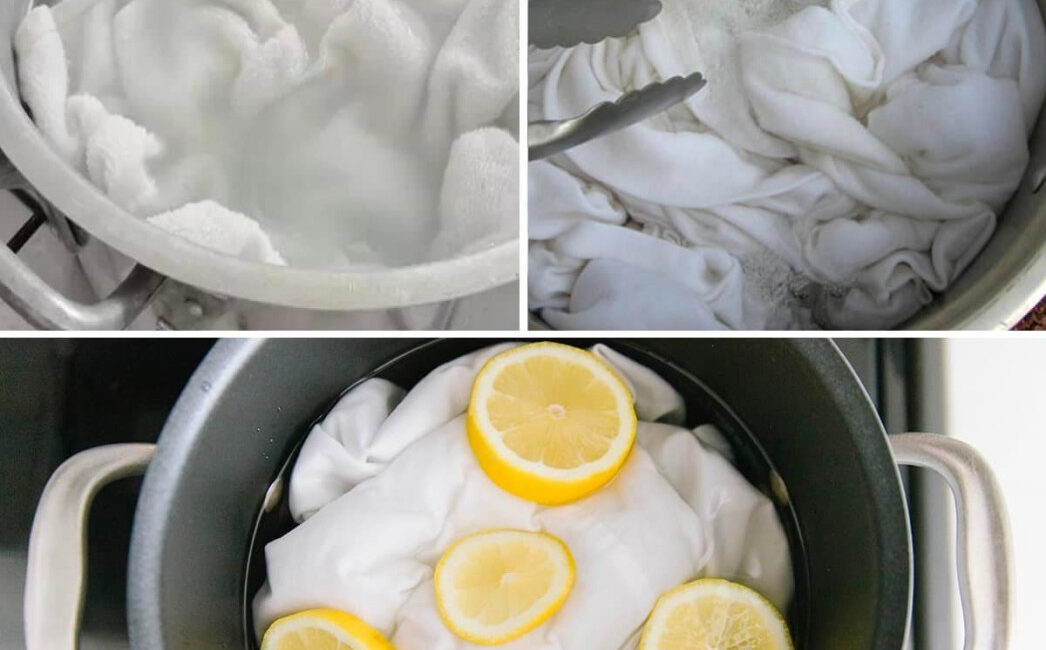
Lemon juice is naturally acidic and helps brighten whites, while baking soda works to lift the stain. This solution is ideal for rust stains, underarm marks, and yellowing.
How to Use:
- Squeeze fresh lemon juice onto the stained area, then sprinkle baking soda on top.
- Let the mixture sit for 30 minutes to an hour. The combination of acid and abrasiveness will help break down the stain.
- Scrub gently before tossing it in the washing machine.
3. Enzyme Cleaner for Protein-Based Stains
Protein-based stains like blood, sweat, and vomit can be tough to remove with just detergent. Enzyme cleaners work by breaking down the proteins in these stains, making them easier to wash out.
How to Use:
- Apply an enzyme cleaner to the stain and allow it to sit for 15–30 minutes. These cleaners are typically available in the cleaning section of most stores.
- Rinse the fabric with cold water before washing to remove as much of the stain as possible.
4. Cornstarch and Dish Soap
For greasy stains, this combination works wonders. Cornstarch is excellent at absorbing oil, while dish soap cuts through the grease.
How to Use:
- Sprinkle cornstarch onto the greasy stain and let it sit for 10–15 minutes.
- Once the cornstarch has absorbed the oil, scrape it off and apply a small amount of dish soap directly to the stain.
- Gently scrub with a brush, then wash as usual.
5. Salt and Lemon for Rust Stains
Rust stains are notoriously difficult to remove, but salt and lemon juice can work wonders.
How to Use:
- Sprinkle salt directly onto the rust stain and squeeze lemon juice on top.
- Let it sit for 30 minutes, and then scrub gently with a toothbrush or soft brush.
- Rinse with cold water before laundering as usual.
Bonus Tip: Regularly Maintain Your Washing Machine
If you want to ensure that your laundry always comes out looking its best, don’t forget about maintaining your washing machine! Over time, dirt, soap residue, and mineral deposits can accumulate inside your washing machine, which can affect its cleaning performance. To keep everything running smoothly:
- Run an empty load with white vinegar or baking soda once a month to clean out any buildup.
- Wipe down the rubber seals, drum, and dispenser drawer to remove any soap scum or mold.
- Check the water temperature settings and make sure your machine isn’t using cold water for washing whites, as hot water helps boost cleaning.
Final Thoughts
Keeping your laundry whites bright and free from stains is not as complicated as it may seem. By using natural household ingredients like baking soda, vinegar, hydrogen peroxide, and a few clever pre-treatment methods, you can remove stains and maintain bright, fresh clothes without relying on expensive commercial products. Plus, many of these tips are environmentally friendly and much gentler on your fabrics, so you don’t have to worry about harsh chemicals that can damage delicate fibers or fade your favorite pieces.
So, whether you’re dealing with sweat stains, food spills, rust, or general yellowing, these three tips will help you restore the beauty of your whites and keep your wardrobe looking crisp and clean. Happy laundering!