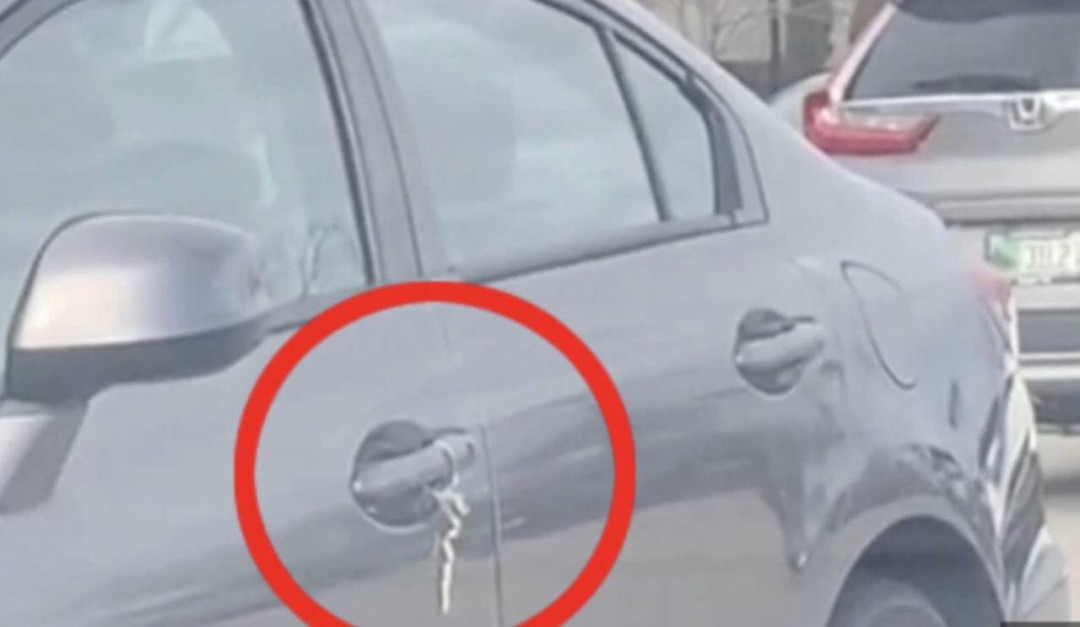
There’s a lot of hearsay about “markers” and neighborhood criminal codes. Let’s debunk a few common myths.
Myth: A wire always means someone is planning to steal your car
Reality: Not always. Many benign explanations exist. But because it could be malicious, treat it with caution.
Myth: If nothing happened after a few days, it was harmless
Reality: Some patterns are long-game. Repeated markings over weeks are more suspicious than a one-off. Don’t ignore repeating signs.
Myth: Confronting the person who left it will scare them off
Reality: Confrontation is unpredictable and potentially dangerous. Let law enforcement handle suspicious people.
Myth: Only expensive cars are targeted
Reality: Criminals target opportunity. Work trucks, vehicles with visible tools, and cars used as daily commuter vehicles are often targeted because they’re predictable or contain attractive items.
Understanding the nuance helps you respond proportionally—alert but not alarmist.
9. What to do if you think the wire is part of an ongoing surveillance or plan
If a wire is part of a broader attempt—if you notice repeated markings, suspicious people watching, or if you feel followed—take stronger precautions:
- Do not go home. Drive to the nearest police station, fire station, or a busy 24-hour location.
- Call the police while you’re in motion if you feel threatened. Give your license plate number and direction of travel.
- Ask a nearby business to help. Staff at busy locations will typically call police or provide shelter.
- Use passengers, friends, or family as witnesses. If you’re alone, ask someone to stay with you until help arrives.
- Consider temporary changes to your routine. Take different routes, change where you park, and avoid predictable patterns.
- If you have a dashcam or phone video, keep the footage secure and share with police. It can show people or vehicles that have been around your car.
The goal is to break the predictability criminals need to act, and to get law enforcement involved early.
10. Prevention checklist you can use right now
Pin this checklist in your car or phone notes. It takes 30 seconds to review before you park or enter your vehicle.
When you park:
- Park where there’s light and people.
- Remove valuables or store them in the trunk before reaching your destination.
- Lock all doors and close windows.
Before you get in:
- Do a quick 10–20 second walk-around.
- Look at handles, hinges, and the ground for anything unusual.
- Check nearby vehicles for similar markings.
If you find suspicious wire/marking:
- Take photos from a safe distance (wide and close-up).
- Don’t touch unusual devices; don’t get close to objects that seem wired into surroundings.
- Move to a public place if you feel unsafe.
- Call the police to report it and provide the photos.
At home:
- Install motion lights and camera if possible.
- Park in well-lit spots, ideally within view of your house.
- Keep a log of repeated suspicious activity.
11. Stories (anonymized) — how people handled it and what they learned
Real-world stories illustrate how small actions matter.
- Story 1 — The cautious commuter: A woman found a tiny loop of wire on her door handle after shopping. She photographed it, removed it only after confirming nothing more was attached, and filed a report. Two weeks later, a neighbor reported a similar loop; police investigated and found a group marking vehicles to identify those with portable electronics left inside. The early reports helped police act before any theft occurred.
- Story 2 — The ignored sign: A man assumed the wire on his handle was trash and ignored it. A week later he discovered his vehicle’s glovebox ransacked. While it’s impossible to know if the wire was related, he now practices walk-arounds and takes photos whenever he sees anything unusual.
- Story 3 — The professional reaction: A fleet manager noticed the same tape knot on several company vans. Rather than confronting anyone, the manager alerted employees, increased vehicle checks, and set up dashcams on the most affected vehicles. When one van was later targeted, the dashcam helped identify the suspect.
These stories show that small precautions can prevent losses and that reporting suspicious items matters for community safety.
12. How vehicle design and maintenance reduce risk
Cars with well-maintained locks and handles are harder to exploit. Keep yours in good shape:
- Fix broken seals and gaskets: Loose rubber or misaligned handles can give a criminal leverage.
- Address electrical issues: Modern cars have alarms and immobilizers—keep them working.
- Replace worn handles and latches: Cheap or damaged parts may be easier to exploit.
Consult a trusted mechanic if you suspect your handle has been tampered with or if the handle behaves oddly (sticking, catching, or requiring force).
13. When to involve insurance
If tampering escalates to theft or vandalism:
- File a police report first. Insurance companies generally require a police report for claims related to theft or vandalism.
- Document everything. Photos, timestamps, witness statements, and the police report number help your claim.
- Check your policy for coverage of stolen items inside the vehicle. Some cover contents; others do not.
- Get repair estimates and keep receipts. For both damage and preventive upgrades (e.g., replacing locks, adding cameras).
Insurance won’t prevent crime, but prompt documentation makes resolution much smoother.
14. Final common-sense tips
- Trust your instincts. If something feels “off,” act on it.
- Stay visible. Criminals prefer isolated targets.
- Educate family and employees. Teach them the simple checks and to report anything odd.
- Don’t be ashamed to report. Police want to know about patterns; your report could help others.
15. Bottom line — be alert, not alarmed
A wire tied around your car door handle is worth noticing and documenting. In most cases it will be harmless, but because it can also be part of criminal reconnaissance, a cautious and evidence-preserving approach is the smartest one:
- Stop and look from a safe distance.
- Photograph the scene.
- Avoid touching anything suspicious unless it’s plainly trash and you’re certain about it.
- Move to a public place if you feel threatened.
- Call police and report patterns.
This approach protects you, preserves evidence for authorities, and reduces the chance that you—or your neighbors—become victims. Simple habits and small investments (dashcams, good lighting, varied routes) make your car a far less appealing target.
Stay safe out there. A quick walk-around could save you time, money, and the stress of a theft or worse. If you want, I can create a printable one-page checklist you can tuck in your glovebox or a short text you can share with family or employees—just say the word.