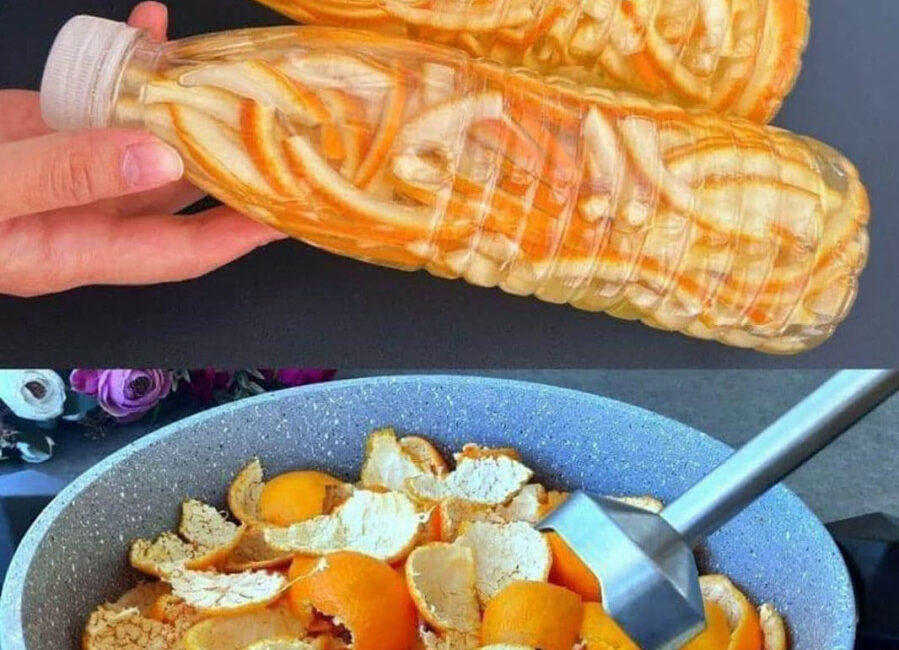
In today’s world, environmental consciousness has become more than just a trend; it’s a lifestyle choice. With increasing awareness of the detrimental effects of chemical-laden cleaning products on both our health and the environment, many people are turning towards natural, sustainable alternatives. One surprisingly effective and delightful resource for this purpose comes straight from your kitchen—citrus peels. Yes, those leftover peels from oranges, lemons, limes, and grapefruits, which often end up in the trash, can be transformed into powerful, fragrant, and eco-friendly homemade cleaners that rival commercial products.
This article dives deep into the art and science of repurposing citrus peels into multi-functional cleaning agents, exploring the benefits, detailed recipes, step-by-step instructions, and tips for maximizing efficiency and fragrance. If you want to reduce waste, eliminate toxins, and enjoy natural fresh scents in your home, this comprehensive guide will empower you to do just that.
Why Use Citrus Peels for Homemade Cleaners?
Natural Cleaning Power of Citrus Peels
Citrus fruits are loaded with natural compounds that make them excellent for cleaning. Here’s why citrus peels are so effective:
- D-Limonene: This is a natural solvent found abundantly in citrus peel oils. D-limonene is effective at cutting through grease, grime, and sticky residues. It dissolves oils and leaves a fresh citrus scent behind.
- Natural Acids: Citrus peels contain citric acid, which has antibacterial and antifungal properties and acts as a natural disinfectant and deodorizer.
- Essential Oils: The oils released from citrus peels provide a refreshing aroma while also exhibiting antimicrobial effects.
- Biodegradable & Non-toxic: Citrus peel cleaners are completely biodegradable, non-toxic, and safe for families, pets, and the environment.
Environmental Impact
Commercial cleaning products often contain synthetic chemicals, petroleum-based ingredients, and non-biodegradable substances that pollute waterways and harm ecosystems. In contrast, homemade citrus peel cleaners reduce waste, reuse kitchen scraps, and avoid harmful toxins, making them an excellent eco-conscious choice.
Cost-Effective
Instead of spending money on expensive commercial cleaners, turning your kitchen scraps into cleaning agents cuts costs dramatically while delivering powerful results.
Preparing Your Citrus Peels for Cleaning Solutions
Before we jump into recipes, here’s how to prepare your citrus peels for cleaning:
- Collect Citrus Peels: Save peels from oranges, lemons, limes, grapefruits, or any citrus fruits you consume.
- Wash Peels Thoroughly: Wash to remove any pesticides, dirt, or residues.
- Drying (Optional): You can dry the peels to store them longer, but fresh peels yield more oil.
- Chopping: Cut the peels into small pieces if the recipe calls for it.
- Choose Organic for Best Results: Whenever possible, use organic citrus to avoid pesticide residues in your cleaners.
1. Citrus Vinegar Cleaner – The All-Purpose Powerhouse
Why Vinegar?
Vinegar is a popular natural cleaner due to its acidity, which dissolves mineral deposits, grease, and grime, and kills bacteria. Combining vinegar with citrus peels enhances its cleaning ability and adds a pleasant scent.
Ingredients
- 2 cups white distilled vinegar
- Peels of 2–3 large citrus fruits (lemon, orange, or grapefruit)
- Glass jar with lid
Instructions
- Place citrus peels into the glass jar, filling it about halfway.
- Pour white vinegar over the peels until completely submerged.
- Seal the jar tightly and store it in a cool, dark place for 2 weeks. Shake the jar every few days to mix the contents.
- After 2 weeks, strain out the peels and transfer the infused vinegar to a spray bottle.
- For heavy cleaning, use the infused vinegar full strength. For lighter tasks, dilute with water (50/50).
Uses
- Clean countertops, sinks, and bathroom fixtures.
- Remove hard water stains on glass and chrome.
- Disinfect cutting boards and appliances.
- Deodorize trash cans and drains.
2. Citrus-Infused Baking Soda Scrub
Why Baking Soda?
Baking soda is a gentle abrasive that lifts grime without scratching surfaces. Paired with citrus, it forms a powerful deodorizing and cleaning scrub.
Ingredients
- ½ cup baking soda
- 2 tablespoons dried citrus peel powder (made by grinding dried peels) or finely chopped fresh peels
- Few drops of citrus essential oil (optional)
- Water (to form paste)
Instructions
- Mix baking soda and citrus peel powder in a bowl.
- Add water gradually, stirring until you get a paste-like consistency.
- Add essential oils for extra fragrance if desired.
- Apply the paste with a sponge or cloth to countertops, sinks, stovetops, or tubs.
- Scrub gently and rinse with water.
Uses
- Scrubbing bathtubs and sinks.
- Cleaning stovetops and ovens.
- Removing tough stains and odors.
3. Citrus Peel Citrus Oil Spray for Glass and Mirrors
Why This Works
The citrus oils cut through grease and fingerprints, leaving glass surfaces sparkling without harsh chemicals.
Ingredients
- 1 cup distilled water
- ¼ cup rubbing alcohol or vodka (acts as a solvent and evaporates quickly)
- 10-15 drops citrus essential oil or a handful of citrus peels infused in water (see below)
- Spray bottle
Instructions
- If using peels, steep them in hot water for 1 hour, then strain.
- Combine distilled water, rubbing alcohol, and citrus infusion or oils in the spray bottle.
- Shake well before each use.
- Spray on glass surfaces and wipe with a microfiber cloth.
Uses
- Cleaning windows and mirrors.
- Polishing glass tables and picture frames.
4. Citrus Peel Garbage Disposal Freshener and Cleaner
Why Use Citrus?
Click page 2 for more